Author: Damjan Milenkovic

  • 20 Health Insurance Statistics That 90% of Americans Don’t Know

    20 Health Insurance Statistics That 90% of Americans Don’t Know

    For years, people have been forking out cash to get coverage. Several health insurance statistics reveal that projected healthcare costs will increase by 5.4% annually. That only implies that Americans should brace themselves for another yet-to-come inflation on health insurance costs.

    The cost of health insurance in the United States can easily outpace its average annual GDP growth rate. It’s shocking, but true, given that the US has the most expensive health insurance in the world.

    It’s no secret that healthcare expenditure in the country is going off the charts, and this problem is burning people out.

    Why?

    It’s because the effect of skyrocketing healthcare spending goes back to the citizens through health insurance premiums. 

    US health insurance is a well-documented topic, so we’ve compiled the latest stats and trends if you want to know more.

    Intriguing Health Insurance Statistics (Editor’s Choice) 

    • US health insurance massively comprises 16.9% of its GDP
    • Only 92% of Americans are insured
    • In 2020, 11.5 million Americans purchased insurances in the state marketplace
    • Healthcare fraud amounted to $300 billion
    • In 2019, 26.1 million of the American population didn’t have health insurance
    • The Latino population has the highest uninsured rate at 40%
    • By 2028, predictions are that healthcare spending will reach $6.2 trillion

    General Health Insurance Statistics

    1. In 2019, 92% of Americans had health insurance. 

    (Census)

    Despite being a powerful and wealthy nation, America doesn’t have universal health care. Even so, 92% of the people have managed to obtain insurance for themselves. Most got it through employer-sponsored benefits. Others purchased individual coverage and made it affordable by qualifying for government programs. Still, the percentage of Americans with health insurance is high, which only proves the people’s steady interest in it.

    2. US health insurance is the most expensive worldwide; it accounts for 16.9% of the national GDP.

    (Yahoo / Harvard)

    Despite the generous healthcare spending, life expectancy in the country is wandering off than in other nations. Does this imply that the US needs to reform its healthcare system? Most Americans would probably say yes. 

    The United States health insurance statistics highlight the unbarred payments for MRIs, new drugs, organ transplants, and other new treatments as the catalyst that drives the nation’s healthcare spending off the grid. This outrageous expenditure reaches the payers in the form of expensive health insurance premiums. 

    Right after the US, Switzerland comes second as the country with the most expensive healthcare cost that comprises 12.2% of its GDP. 

    3. US health insurance statistics revealed that private coverage was more common, covering 68% of the people in 2019. 

    (Census)

    When it comes to health insurance options, employment-based or employer-based insurance was more prevalent. That explains why private health insurance coverage was more popular than public coverage in the US. Numerically, a whopping 68% of the population had private health insurance, while only 34.1% had public health insurance programs. 

    4. The 2019 health care cost and insurance statistics revealed that the National Health Expenditures (NHE) rose to $3.8 trillion. 

    (CMS)

    The latest stats divulged that the total healthcare spending in the US hit $3.8 trillion or $11,582 per person in 2019. Surprisingly, the colossal figure accounted for 17.7% of the country’s Gross Domestic Product (GDP) in that same year. 

    5. Private health insurance expenditures grew 3.7%, or equivalent to 31% of the entire NHE. 

    (CMS)

    The ever-increasing medical or hospitalization costs, lifestyle changes, and inflations are the common-cited reasons that lead to the rise of healthcare spending. 

    Health insurance facts exposed that the private health insurance expenses in 2019 reached a jolting $1,195.1 billion or 31% of NHE. 

    6. In 2020, the average monthly cost for health insurance was $456 for an individual and $1152 for a family. 

    (eHealth)

    Over 900 companies provided health insurance coverage in the United States in 2020, and most of them boast good coverage and budget-friendly plans. Although varying factors influence the end cost of insurance, such as income and age, the stats suggest that the average national price for an individual plan is only $456 and $1,152 for a family per month. 

    These amounts may be affordable for one person but not for the other, which creates a problem that leads to millions of uninsured. It seems that healthcare insurance affordability will remain a perpetual concern for Americans, despite the subsidies provided by more capable people. 

    7. In 2020, almost 11.5 million individuals purchased health insurance coverage through a state marketplace. 

    (Value Penguin)

    Americans who are not offered employer-sponsored health insurance or are ineligible for Medicaid or Medicare can opt for purchasing individual coverage through a state marketplace. 

    Health insurance enrollment statistics reported that nearly 11.5 million Americans enrolled for individual health insurance coverage in 2020. While employers don’t split the cost with the policyholder, qualifying for state or federal assistance is an excellent option to afford individual health insurance premiums. 

    8. Government and law enforcement agencies estimated the financial losses for healthcare fraud to value more than $300 billion. 

    (NHCAA)

    In the US, the prevalence of healthcare fraud is public knowledge. Federal authorities, including the FBI, have been closely monitoring Medicaid and Medicare fraud

    According to health insurance fraud statistics, multibillion health insurance claims resulted in a massive $3.6 trillion spending on health care. A small percentage, which would still correspond to billions of dollars, was turned into wicked profits due to dishonest filing and other fraudulent claims by some corrupt people. 

    The National Health Care Anti-Fraud Association (NHCAA) believed the financial losses relative to healthcare fraud constituted only 3% of the entire healthcare expenditure. The government and law enforcement agencies didn’t nod their heads in agreement to this as they estimated that the loss could be as high as 10% or more than $300 billion.

    9. Minnesota had the most expensive family health insurance premiums in 2020 at $8,666 per year. 

    (Insider Monkey)

    Americans pay between $5,815 to $8,666 for health insurance, depending on which state they live in. Health insurance cost statistics shared that Minnesotans pay for the most expensive family health coverage at $8,666. But state residents pay a reasonable amount of $6,781 for single health coverage – a silver lining for those who’d better get this kind of insurance.

    The top five states with the most expensive family health insurance rates include South Dakota ($8,621), New Hampshire ($8,530), Arizona ($8,364), and New Jersey ($8,281). 

    10. In 2018, New Mexico had the lowest private health insurance coverage rate at only 54.3%; North Dakota had the highest at 79.7%. 

    (Census)

    As many as 67.5% of Americans had private health insurance coverage in 2018. Of the 50 states, New Mexico had the lowest number of enrolled insurance owners under private coverage (54.3%), and at the same time, the highest in public coverage (49.4%).

    Health insurance statistics by state further revealed that North Dakota had the highest rate of insured individuals through private coverage (79.7%). In comparison, Utah had the lowest insurance owner rate by public coverage (21.3%).

    Employer-based Health Insurance Stats

    11. Around 49% of the entire American population receive employer-paid health insurance. 

    (eHealth Insurance)

    About 157 million Americans receive health insurance benefits from their employers. Employment-tied health coverage or group insurance is standard for larger businesses with more than 50 full-time employees.

    That justifies why California has the most people covered by group insurance (more than 18 million) per state population, given that the vastest tech businesses have headquarters there.

    Moreover, Texas (13.1 million), New York (9.5 million), Florida (8.1 million), and Illinois (6.7 million) constitute the top five states with the highest number of people covered by group insurance. 

    12. Employer-sponsored coverage slightly rose from 55.2% in 2018 to 55.4% in 2019. 

    (Census / Intuit)

    Health insurance coverage statistics revealed no substantial change in employer-provided coverage between 2018 and 2019. Employer-based group health insurance is a proven viable option for workers to get coverage without burning a hole in their pockets.

    The new healthcare law stresses that employer-sponsored health insurance should be affordable. That said, premiums paid by employees shouldn’t exceed 9.5%.

    Uninsured Health Insurance Stats

    13. The national average percentage for uninsured individuals in 2019 was 9.5%. 

    (Statista)

    The uninsured rate was highest among the Hispanic population, which constituted over 27% in the first half of 2019. Asian Americans had the lowest uninsured rate, which was only at 7.4%. 

    14. In 2019, 26.1 million Americans didn’t have health insurance. 

    (Census)

    Appalling US health insurance statistics 2019 reveals that out of over 320 million Americans, 8% or 26.1 million citizens were uninsured. That was about a million more than in 2018. A few rational reasons are that the number of uninsured Americans is rising, such as the difference in the Affordable Care Act and lost employment. Several workers have health insurance plans tied to their jobs. Therefore, losing their job would mean the end of healthcare coverage as well.

    15. In 2018’s tax year, the penalty for uninsured adults was $695 plus inflation adjustment or 2.5% of yearly household income, whichever was higher. 

    (Healthcare.gov)

    People who went without health insurance in 2018 were penalized upon filing their federal tax returns in April 2019. Published US health insurance statistics 2018 shared that each adult had paid $695 and each child $347.50, plus inflation adjustment for going without health coverage. The following year there was no longer individual shared responsibility payment or penalty because of the revocation of the individual mandate. 

    16. Uninsured American health care statistics in 2020 revealed that 43.4% of Americans ages 19 to 64 were inadequately insured.

    (Commonwealth Fund)

    A survey conducted of over 4000 adults showed that 43.4% or more than 2 of 5 Americans didn’t have sufficient coverage during the first half of 2020.

    Despite the economic downturn caused by the global coronavirus outbreak, there wasn’t any substantial change in the rate of health insurance coverage since 2018. That may indicate the people’s growing incapability to pay for health coverage or perhaps of their declining interest in insurances. 

    17. Health insurance data unveiled higher uninsured rates for people of color; 40% for Latino and 24% for Black.

    (Commonwealth Fund)

    A comparative survey disclosed that more than 1 in 3 Latino adults aged 19 to 64 were uninsured. Next were Black Americans, which comprised an uninsured rate of 24%.

    Specified facts about low incomes and small business employment attributed to higher uninsured rates of these ethnic groups.

    Further uninsured American health care statistics in 2019 shared that among age groups, adults aged 19 to 34 had the highest uninsured percentage, making up 28% of the entire survey respondents. 

    Health Insurance Coverage Trends

    18. Currently, 6 of 50 states have an individual health insurance mandate covering 2020 to 2021. 

    (HealthSherpa)

    When the Affordable Care Act (ACA) or Obamacare came into effect in 2010, it was required for every US citizen to have health coverage, as stated in the “individual mandate.” People without health insurance were obliged to pay a fine then.

    In December 2017, however, President Trump signed a law, which removed the individual mandate’s penalty fee across the country. As of January 1, 2019, the “individual mandate” was no longer valid. 

    Recent U.S. health insurance statistics 2020 confirmed that six states had kept their unique version of the individual mandate. Therefore, if you reside in any of these states: California, Washington D.C., New Jersey, Massachusetts, Rhode Island, and Vermont, you need to have health insurance.

    Otherwise, you’ll have to pay a fine, except for people living in Vermont, as there’s no financial sanction attached to the mandate. 

    19. National healthcare expenditure is supposed to have an annual average growth of 5.4% from 2019 onward, reaching $6.2 trillion by 2028. 

    (CMS)

    Several factors contribute to the rising healthcare expenses, such as the climbing costs for medical services, the growing aging population, the increasing number of chronic illnesses, and more.

    In 2019, the NHE recorded only $3.8 trillion in healthcare spending. In nine years, it may nearly double because the current statistics on health insurance prove that inflation and costs can highly drive spending to $6.2 trillion. 

    20. This year, employees will pay moderately higher insurance premiums, about $3000. 

    (U.S. News)

    Employers of big companies will continue to shoulder the sizable portion of premiums for employer-sponsored insurances. The company will settle as much as 81% of the rewards for employee-only coverage and 78% for family coverage. 

    Conclusion

    Medicare, Medicaid, Obamacare—these are the extent of what ordinary people typically know about health insurance in the US. However, there’s more to these terms, and people, especially those interested in health insurance statistics, should find out more. There might be some benefits that they’re eligible for, but they don’t know.

    America’s health insurance is a patchwork of programs, covering both private and public providers. As good as these programs can be, many Americans strongly feel that the existing system needs improvement. Some are starting to get enraged at paying expensive premiums.

    Ever since health insurance coverage had become non-mandatory in 2019, the unstoppable escalating cost had slowly expanded people’s disinterest in it. We never know where this can lead to if the health insurance system remains unreformed.

    People Also Ask

    Is Obamacare still in effect?

    Yes, Obamacare is still active. Although the “individual mandate” clause is no longer functioning since December 2017. Previously, Americans were obliged by law to have qualifying health coverage; otherwise, they’d pay a fine. After President Trump signed the Tax Cuts and Jobs Act of 2017, it dissolved the individual mandate, and uninsured citizens didn’t need to pay the penalty.

    How many Americans have health insurance?

    According to statistics, 9 out of 10 Americans have health insurance. However, at the time of the pandemic, approximately 7.7 million Americans lost their jobs, which meant the end of employer-sponsored insurances to them.

    Are US citizens required to have health insurance?

    Under the previous “individual mandate” clause of the Affordable Care Act (ACA), every American without health insurance would be penalized. However, this particular clause dropped, and by January 1, 2019, the mandate was no longer effective. 
    Today, health insurance is no longer mandatory, except in California, Washington D.C., New Jersey, Massachusetts, Rhode Island, and Vermont, which implemented their mandate. 

    What percentage of the US population has health insurance?

    Sources reveal that 92% of the US population has health insurance. Even if this is a reasonable rate, some insurance experts believe the figure should be higher. Trying to make health insurance more accessible, the government launched several programs, and one is the Affordable Care Act. Thanks to it, the US has had about 20 million fewer uninsured since its start.

    What percentage of the US population has no health insurance?

    According to Statista, the national average rate for Americans without insurance was 9.5% in 2019. It may seem like an insignificant number, but it represents millions of uninsured Americans. Health insurance cost has been a thorn to people’s flesh and is the most-cited reason why people can’t afford health insurance.

    What happens if you can’t afford health insurance in America?

    Private insurance companies typically offer budget-friendly and various types of plans to fit people with limited financial resources. In addition, the Affordable Care Act provides financial assistance to low- and middle-income Americans, so they get coverage.
    According to health insurance statistics, if the household income falls between 100% and 400% of the poverty level, they may qualify to receive premium subsidies to cover the insurance payment. The application can be through the state’s government-run health insurance marketplace or qualifying licensed agents and private online marketplaces collaborating with the government marketplace.


  • Safest Cities in Colorado

    Safest Cities in Colorado

    Welcome to the Wild West, and one of the most scenic Mountain States, Colorado. Full of outdoor and winter activities, and with a rich history of self-governance and new development, Colorado is a unique and beautiful place to live. 

    This list of the safest cities in Colorado will help you decide if you’re up for the adventure of relocating while still feeling secure. Compare your needs and wants for yourself and your family with the potential earnings, safety, and housing costs included in all of our selections.

    The Centennial state has something for everyone—with a dry climate that offers hot summers and snowy winters, it’s every outdoor lover’s dream.

    Is Colorado a Good State to Live in – About Colorado

    Colorado is located in the Western United States, and it borders New Mexico, Oklahoma, Kansas, Nebraska, Wyoming, and Utah. It’s one of the most beautiful states in America, with the Rocky Mountains taking up most of the western part of this state, and it currently has 5,758,736 residents.

    Upon discovery, Spanish explorers decided to name the territory after the Colorado river that passed through the site. Because of its red, muddy hue, the river was called “colored red.” Colorado’s nickname is the Centennial State because it officially became a state when the U.S. turned one hundred years old.

    The Quality of Life and Cost of Living in Colorado

    As one of the faster-growing states in America, the cost of living for Colorado is rising. Currently, the median household income sits at $72,331, and the per capita earnings are around $38,226. Around 9% of residents live in poverty.

    Colorado has a bit of a reputation when it comes to safety. Its crime rate is 2,972 per 100,000 residents, and only 15 states have a higher crime rate. As such, knowing which city to move to can make a huge difference in your experience of this beautiful American treasure.

    The Safest Cities in Colorado for 2021

    Safest Cities in Colorado

    1. Lamar

    The City of Lamar is the county seat of Prowers County, Colorado. It’s a Home Rule Municipality, which means it’s self-governing, and it currently has 7,655 residents.

    The city received its name in honor of Lucius Quintus Cincinnatus Lamar II, a slaveholder and the Secretary of the Interior. He was notorious for passionately opposing African-American voting rights, and throughout its history, Lamar has been affected by floods, fires, and the Dust Bowl, which derailed its population growth.

    Today, Lamar is one of the safest cities in Colorado. Its crime rate is 1,076 per 100,000 residents, and in 2019, the police reported 82 property crimes and zero violent offenses.

    Despite the low crime rate, the quality of life in Lamar is not the highest, with more than 18% of the town’s residents living in poverty. The median household income is way above the Colorado average at $40,826, but per capita earnings are just $21,861.

    The median gross rent is about $500 lower than the state average, at $732, and the median house price is $105,500.

    2. Dacono

    The second town on our list of the safest cities to live in Colorado is Dacono. The City of Dacono belongs to Weld County, and it’s another home rule municipality, officially incorporated in 1908. It currently has 6,034 people and is the home of the Colorado National Speedway.

    This unique name is actually made up out of the names of three different women and was coined by C.L. Baum, who was a local coal mine operator. The first two letters were taken from his wife’s name, Daisy. The second two came from Cora Van Voorhies, and Nora Brooks, two friend’s of his wife. 

    Those searching for safe, affordable places to live in Colorado should perhaps avoid Dacono because of its high cost of living. The median house price is $305,600, and the median gross rent sits at $1,165. 

    The average income is $67,292 and it has a per capita income of $26,855. Only 6.5% of residents live in poverty, and the crime rate in Dacono is 1, 218 per 100,000 residents. In 2019, law enforcement reported 69 property and only five violent crimes.

    3. Carbondale

    Carbondale belongs to the Garfield County of Colorado, and it’s part of the Glenwood Springs Micropolitan Area. Carbondale is one of the best cities in Colorado and is located in the Roaring Fork Valley. The National Geographic Adventure Magazine listed Carbondale in the top 10 adventure towns in the United States for its extensive biking, fly-fishing, skiing, and kayaking.

    Carbondale has 6,898 residents, and the median household income of Carbondale residents is above the Colorado average, with $81,012. The per capita earnings are $36,553, and around 8.6% of people live in poverty, which is below the state average.

    Carbondale is one of the towns with a higher cost of living in Colorado. The median house cost in Carbondale is $567,800, and the median gross rent is above the average for Colorado, at $1,747.

    The crime rate in Carbondale is way below the average for the state, with 1,239 offenses per 100,000 residents, and in 2019, the police filed reports for 77 property crimes and nine violent offenses.

    4. Manitou Springs

    Manitou Springs is a city in El Paso County of Colorado, and even though it’s a smaller place, Manitou Springs is very attractive for tourists that spend their days in small shops, pubs, and beautiful parks. Besides being one of the Colorado tourist attractions, this city is also a great place to live and is home to 5,390 residents.

    The natural mineral springs are what originally attracted General William Jackson Palmer and Dr. William Abraham Bell to create a community in the area. They founded the town in 1872, which was meant to be a “scenic health resort,” and due to its popularity, the city was incorporated just four years later.

    The Manitou Springs, Colorado crime rate is only 1,429 per 100,000 people, and in 2019, residents reported 72 property and five violent crimes.

    The per capita earnings of the residents of Manitou Springs are above the Colorado average at $44,051, and the median household income in the city is $62,270. Less than 7% of people live in poverty, and rent is affordable and below the state average. The median gross rent is $943, and the median home price is $386,100.

    5. Louisville

    The City of Louisville belongs to Boulder County and is a Home Rule Municipality with 20,816 residents. Several publications listed Louisville among the best places to live in Colorado and even the United States.

    The original town of Louisville was the location of the Welch Mine, which was the first coal mine in the area. The mine started operating in 1877, and at that time, Louisville was called the Northern Coalfield. Its current name was given by Louis Nawatny, a local landowner who wanted to name the town after himself, and its incorporation came in 1882.

    In the 1950s, the mine became uneconomical, and the area transitioned into a suburban housing region. As one of the safest cities in Colorado, Louisville has a crime rate of 1,472 per 100,000 residents, and in 2019, the police reported a total of 301 property and 16 violent crimes.

    With a low crime rate and promising average earnings, Louisville is a great place to raise a family. The median household income is $103,017, and the per capita earnings are $53,237, with less than 6% of residents living in poverty.

    Properties in Louisville are pricier than most other cities and towns in Colorado. The median gross rent is $1,607, and the median house price sits at $596,600.

    6. Castle Rock

    Castle Rock is the county seat of Douglas County. It’s a Home Rule Municipality and the most populous municipality in the county. Castle Rock is part of the Denver-Aurora-Lakewood Metro Area as well as the Front Range Urban Corridor, and it currently has 68,484 residents.

    Castle Rock received its name after the tower-shaped butte which lies in the center of the town. During the 1800s and early 1900s, Castle Rock was among the Colorado towns famous for their rhyolite quarrying industry, which significantly contributed to the growing population. 

    The town has a high living standard, with a median household income of $109,700 and per capita earnings of $44,250. Less than 4% live in poverty, which is over two times lower than the state average. The median house price in Castle Rock is high at $467,200, and the median gross rent is more expensive than in most other towns at $1,536.

    As one of the safest places in Colorado, Castle Rock has a crime rate of 1,496 per 100,000 residents. There were 962 property crimes in the city in 2019, and 30 violent offenses.

    7. Parker

    Parker is another Home Rule Municipality, and it belongs to Douglas County. Just 20 miles southeast of Denver, it’s part of the Denver Metro Area and is by every definition a commuter town, with 57,706 residents.

    The town officially received its name in 1882, after the Parker brothers. The brothers were the biggest landowners in the area who brought the railroad to the town by selling their right-of-way for $1. As one of the best towns in Colorado, it didn’t become a municipality until 1981.

    Parker is full of beautiful historic buildings, and if you ever visit the town, you should go to the Twenty Mille post office, Parker Cemetery, and the Tallman–Newlin Cabin. 

    Parker has a high living standard. The median household income there is $110,934, and the per capita earnings sit at $44,527. Only 3.3% of residents live in poverty, and the median gross rent in Parker is $1,610, and the median house price is $479,600.

    With a crime rate of only 1,544 per 100,000 residents, Parker is among the best places to live in Colorado. In 2019, law enforcement reported 826 property and 55 violent crimes.

    8. Woodland Park

    The City of Woodland Park belongs to Teller County and is another Home Rule Municipality and commuter town of the Colorado Springs Metro Area.

    The city gained its name after the number of forests and trees in the area. Its official incorporation came in 1891 when Woodland Park only had about 12 residents. The first ordinance of the town was to establish the morals and decency act, which included the banning of alcohol, inappropriate attire, obscene language, and gambling.

    Woodland Park is one of the places to go in Colorado that is attractive to tourists for its dude ranches. Dude ranches were constructed all over the area, as lumbering was the town’s largest economic driver.

    Today, Woodland Park has 7,885 residents. The city is famous for its low crime rate, with only 1,552 offenses per 100,000 people. In 2019, the police reported 111 property and 11 violent crimes, and Residents’ salaries are above the Colorado average. Per capita earnings are $37,391, and the median household income in Woodland Park is $77,912, with 7% of residents living in poverty.

    Property prices are similar to most other Colorado cities, with a median house cost of $354,500 and a median gross rent of $1,276.

    9. Gunnison

    The city of Gunnison is the county seat of Gunnison County, and it is established as a Home Rule Municipality.

    Gunnison got its name after John W. Gunnison, who was the first explorer of the area. He passed the territory in search of a route for the transcontinental railroad. The city had a couple of significant population increases, the first of which was in the 1870s, and it was a result of the mining surge in the state. Gunnison was one of the best small towns in Colorado for gold mining, which also attracted farmers and ranchers in the surrounding area.

    The city currently has 6,640 residents, and the standard of living and earning is reportedly below the state average. The median household income in the city is $40,893, and the per capita earnings are only $23,854. An alarming 23% of residents live in poverty.

    As one of the safest small towns in Colorado, Gunnison has a crime rate of 1,659 per 100,000 people, and there were 20 violent and 91 property crimes in the city in 2019.

    In case you’re interested in living in Gunnison, know that the average rent is $870, and the median home price sits at $274,700.

    10. Fruita

    The city of Fruita is part of Mesa County and belongs to the Grand Junction Metro Area within the Grand Valley. According to the latest estimates, the city has 13,478 residents, and it is known as one of the cheapest places to live in Colorado.

    Throughout history, Fruita was famous as a fruit-producing town. Its establishment came in 1884 when William E. Pabor opened the Fruita Town and Land Company. In 1886, farmers could buy five acres of land, 200 fruit trees, and water for $500, and after that, many farmers came to the area to make a living. 

    Today, the residents of Fruita earn below the Colorado average, with a median household income of $58,531 and per capita earnings of $24,874. The poverty rate is currently 12.5%.

    Still, Fruita one of the safest cities to live in Colorado. Its crime rate is 1,703 per 100,000 residents, and in 2019, law enforcement reported 208 property offenses and 22 violent crimes.

    Properties in Fruita are cheaper than in most other places in the state, with a median gross rent of $1,169 and a median house price amounts to $284,400.

    Fruita is also a pretty fun place to live. Residents frequently organize festivals, and it’s an excellent location for all those that like outdoor sports. 

    What is the Safest City to Live in Colorado – Most Popular Cities Ranked by Crime Rate

    Denver Colorado

    11. Loveland

    The City of Loveland belongs to Larimer County of Colorado and is a Home Rule Municipality that is part of the Fort Collins-Loveland Metro Area.

    The city was named in honor of the president of the Colorado Central Railroad, William A.H. Loveland. It was founded in 1877 when the railroad line was constructed in the area, and for the majority of the 20th century, the city has been dependent largely on agriculture. 

    Loveland is also famous for the Spring Glade Orchard, the largest cherry orchard among the cities in Colorado west of the Mississippi River. 

    Currently, 78,877 people live in Loveland. Their earnings are below the average for Colorado, with a median household income of $68,592 and a per capita income of $35,012. Around 8% of residents live in poverty.

    The property prices in Loveland are similar to the ones in most other bigger cities, with the median gross rent sitting at $1,267 and the median house cost is $349,600.

    If you’re looking for a bigger city that’s also safe, Loveland is one of the best places to live in northern Colorado. The crime rate in Loveland is 2,274 per 100,000 people, and in 2019, residents reported 1,571 property crimes and 222 violent offenses.

    12. Fort Collins

    The City of Fort Collins is the county seat of Larimer County and the principal city of the Fort Collins Metro Area. It belongs to the Front Range Urban Corridor and is the home of the Colorado State University and the Front Range Community College campus. The city is one of the biggest cities in Colorado, and it has 170,243 residents.

    The primary purpose of Fort Collins is to serve as a military outpost for the U.S. Army. It was founded in 1864, and in 1867, the fort was decommissioned. The first significant population boom of Fort Collins came in 1872, when the agricultural colony was established. In the 1880s, the residents began building elegant homes and commercial real estate, attracting even more people.

    The median household income in Fort Collins sits at $65,866, which is lower than in most major cities in Colorado. Per capita earnings of the city’s residents are $34,482, and over 16% of people live in poverty. The median gross rent is $1,346 and the median home cost of $389,700.

    The crime rate in Fort Collins is below the state average, with 2,390 per 100,000 residents, and in 2019, the police reported 371 violent and 3,713 property offenses.

    13. Greely

    The City of Greely is the county seat of Weld County. It’s a Home Rule Municipality, and it’s part of the Front Range Urban Corridor. If you’ve been researching what is the best area to live in Colorado and you chose the northern part as your next place of residence, you should check out Greely. It has a city vibe, without the high crime rate, and currently, it has 108,649 residents.

    The city was created in 1869 as the Union Colony and was an experimental utopian society. After a few years, the residents decided to change its name to honor Horace Greely, the editor of the New York Tribune and local politician. Greely became a city in 1886, and for the first few decades, the town mostly relied on farming and agriculture.

    Greely is among the best cities to live in Colorado when it comes to safety. Its crime rate is below the state average at 2,680 per 100,000 residents, and in 2019, the police reported a total of 386 violent and 2,542 property crimes.

    The median household income in this city is $57,586, and its per capita income earnings amount to $26,222. Its poverty rate is relatively large, with 16% of the population living in poverty.

    The cost of living is mid-range, with a median gross rent of $1,007 and a median home price of $294,700.

    14. Longmont

    Those that want to live near the mountains in Colorado should look into Longmont. Longmont City is part of Boulder and Weld counties. It’s a home rule municipality and currently has 97, 261 residents.

    The city received its name after Longs Peak, which is a nearby mountain named after explorer Stephen H. Long. Longmont was the first planned community in Boulder County, and it was funded by a group of people from Chicago. Chicagoans sold memberships to the town and purchased the land for the town hall with the money. Not long after that, the population started growing, with the primary source of income being agriculture.

    As one of the most beautiful places in Colorado, it has a local crime rate of 3,033 per 100,000 residents, and in 2019, law enforcement reported 422 violent and 2,548 property crimes.

    The earnings of Longmont residents are close to the state average. The per capita income is $36,464, while median household earnings of $74,242, and nearly 10% of people live in poverty. Properties with this classic Colorado scenery are a bit more expensive than in most cities. The median house cost is $398,000 and the median gross rent is $1,340.

    15. Arvada

    Arvada belongs to Adams and Jefferson counties, and it’s a Home Rule Municipality. The city is part of the Denver-Aurora-Lakewood Metro Area, and as the North Table Mountain is just a few miles away, it will take only minutes to reach the breathtaking Colorado mountains. Arvada currently has 121,272 residents.

    Arvada’s history dates back to the 1800s. Before 1870, the area was just a small community of large farms near Ralston and Clear Creeks. After the Colorado Central Railroad was completed, many new residents reached the site, and an official town was created. 

    The landowners Louis Reno and Benjamin Franklin Wadsworth took the initiative to create a town plate and named it after Wadsworth’s relative, Hiram Arvada Haskin. The city was incorporated in 1904.

    With a crime rate of 3,195 per 100,000 people, which is above the state average, Arvada might not be the best place to live in Colorado. In 2019, residents reported 3,642 property and 266 violent crimes.

    Residents of Arvada earn way above the Colorado average. The median household income in the city is $84,717, and per capita earnings amount to $42,921. Less than 6% of residents live in poverty. The median gross rent is $1,358, and the median house cost is $328,900.

    16. Thornton

    Thornton is part of Weld and Adams Counties, and it’s a Home Rule Municipality that belongs to the Denver-Aurora-Lakewood Metro Area. With a population of 141,464, Thornton is the sixth-most populous city in the state. Thornton is among the best places to visit in Colorado in the summer, with sights such as the Hill’s Harvest, Crazed Corn Fields Maze, and Mother Tucker Brewery.

    This city mainly consisted of farmland until 1953, and was the first planned community in Adams County to first offer a single tax levy, which included free trash pickup and interesting recreation services. 

    Today, residents of Thornton have a moderate quality of life. The per capita income in the city is 32,487, and the median household earnings sit at $79,411. Living in one of the most beautiful places in Colorado will cost you around $1,495 monthly if you want to rent, and the median house price in Thornton is $365,400. Nearly 9% of residents live in poverty.

    Thornton has a high crime rate of 3,300 per 100,000 people, and in 2019, law enforcement reported 388 violent and 4,303 property offenses.

    17. Westminster

    The city of Westminster is a Home Rule Municipality that belongs to Adams and Jefferson counties. It’s part of the Denver-Aurora-Lakewood Metro Area, and with 113,166 residents, it’s in the top 10-most populated and cheap places to live in Colorado.

    The first famous resident of Westminster was a farmer Pleasant DeSpeain. He built a large home in the area in 1870, which later became known as DeSpain Junction. In 1885, a real estate developer C.J. Harris purchased DeSpain’s property, divided it into a few farms, and sold it to fruit farmers. He named the area Harris after himself, and it was officially incorporated in 1911.

    Salaries of Westminster residents are close to the state average. The median household income is $76,142, and per capita earnings sit at $38,555. About 7% of people live in poverty, and despite being named one of the best cities in Colorado for families years ago, crime is pretty frequent in Westminster today. Its official crime rate is 3,522 per 100,000 residents, and there were 3,713 property offenses and 316 violent crimes in the city in 2019.

    The median gross rent is around $1,430, and the median house price is $378,000. 

    18. Aurora

    The city of Aurora is part of Adams, Douglas, and Arapahoe counties. It’s one of the principal cities of the Denver-Aurora-Lakewood Metro Area and is a Home Rule Municipality. It is the third most-populated city in Colorado, and it has 379,289 residents.

    Aurora is one of the best places to see in Colorado. Visitors enjoy seeing the Stanley Marketplace, Cherry Creek State Park, and the beautiful Aurora Reservoir. 

    Aurora used to be known as Fletcher. In the 1880s, a businessman Donald Fletcher saw the empty land as a real estate opportunity and purchased it. The Silver Crash brought debt to the community, however, and caused Fletcher to leave town. The remaining residents decided to rename and rebuild the town. In just a few years, Aurora became the fastest-growing city in Colorado. 

    Today, Aurora is among the most dangerous cities in Colorado. Still, compared to other bigger cities in America, Aurora is actually considered safe. Its crime rate is 3,653 per 100,000 residents, and in 2019, the police reported 11,106 property and 2,799 violent crimes. 

    Aurora residents earn below the state average, with the median household income being $65,100, and per capita earnings are $30,504. Over 10% of people live in poverty, and the median house price is $327,300, while the median gross rent sits at $1,328.

    19. Colorado Springs

    Colorado Springs belongs to El Paso County and is home to the United States Air Force Academy.

    Many people wonder what the Colorado Springs crime rate is, and as one of the top Mountain State destinations, Colorado Springs has 4,252 offenses per 100,000 people. In 2019, residents reported 17,587 property and 2,806 violent crimes.

    When Colorado Springs was founded by General William Jackson Palmer, it was meant to be a resort town. After the railroads came to the area, people started relocating there, which led to its first big population boom. During the 19th and 20th centuries, Colorado Springs was the home of many successful artists, writers, and mine owners.

    With 478,221 residents, this city is the second-most populated in the state. The Colorado Springs cost of living is below the state average, with a median house price of $287,900, and a median gross rent of $1,131.

    The median household income in Colorado Springs is $64,712, and the per capita earnings amount to $34,076. More than 11% of residents live in poverty, and many don’t earn enough to accommodate the cost of living. 

    20. Denver

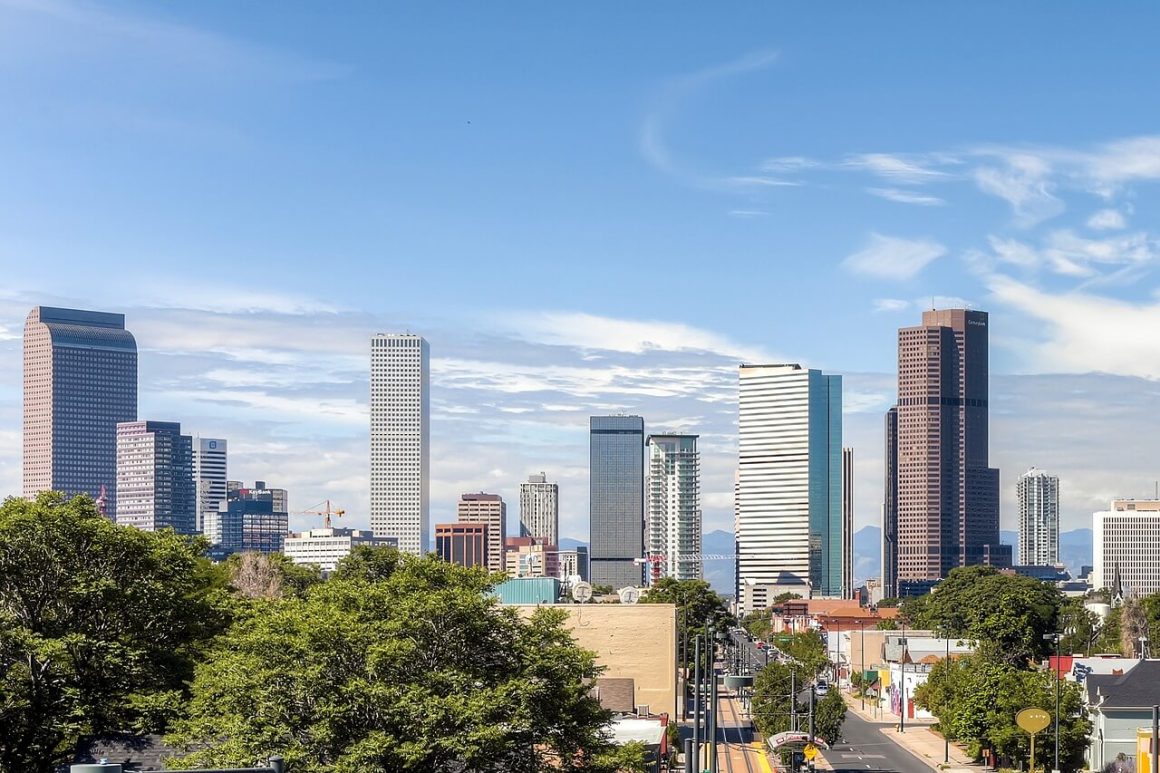
    The City and County of Denver is the most populated city of Colorado and the state capital. The Globalization and World Cities Research Network rated it as a Beta world city, and it currently has 727,211 residents. The Denver cost of living is lower than in most other state capitals, which is what makes it a popular place to live.

    This city was founded in 1858 as a gold mining town, but once the gold dried up, Denver became a supply hub for other mines in the mountains. At first, the processing and shipping of materials was the main source of income in the city, but after the war, several oil and gas companies moved there, which led to a skyscraper boom and a huge population increase.

    As a lot of people choose this city as their new place of residence, many wonder if Denver, Colorado is safe. With a high crime rate of 4,492 per 100,000 people, Denver’s crime rate is higher than the state average, and in 2019, law enforcement reported a total of 27,288 property offenses and 5,459 violent crimes. 

    The median household income is below the state average at $68,592, and the per capita earnings sit at $43,770. Nearly 13% of people live in poverty, and the properties are pricier than in other places in the state. The median house price is $426,200, and the median gross rent is $1,311.

    Conclusion

    Even the safest cities in Colorado come with a Wild West culture that champions independence and self-governance. From mountain towns to big cities, Colorado has much to offer families, students, and retiree’s alike. 

    You can choose a mountain village if you enjoy winter outdoor adventures or a commuter town near Denver to be close to all of the major events. Find the perfect balance between what you want, safety, and earning potential to feel right at home in Colorado.

  • Safest Cities in Illinois

    Safest Cities in Illinois

    With major cities like Chicago and Springfield, Illinois can have a bit of a bad reputation when it comes to crime. Despite this, Illinois is a beautiful state to live in. With developed industrial cities, charming agricultural towns, and historical museums and sites all over, Illinois is bound to have something for everyone. 

    If you’re looking to relocate to the Land of Lincoln, knowing the safest cities in Illinois can help you make an informed choice. Read our 10 best places in Illinois, and 10 worst ranked by crime.

    About Illinois

    The state of Illinois is in the Midwestern region of the U.S. It borders Indiana, Kentucky, Missouri, Iowa, Wisconsin, and Lake Michigan. Its capital is Springfield, which was the third capital of Illinois. Before Springfield, the state’s capitals were Kaskaskia and Vandalia.

    This state lies on the famous industrial belt, and today its economy is diversified with agriculture and industrial towns in the central and northern parts of the state. Furthermore, southern Illinois cities are rich in natural resources.

    Illinois is known as the Prairie State. Its current name was given to Illinois after the Native American tribe of a similar name, which carries a deep meaning of the “tribe of superior men.” In 1955, the General Assembly adopted the “Land of Lincoln,” as the official slogan of the state.

    Illinois has 12,671,821 residents, which makes it the sixth-most populous state in the United States. Illinois crime rate 2,253 per 100,000 people, and the median household income in the state is $65,886, while per capita earnings sit at $36,038. Around 11% of Illinoisans live in poverty.

    Illinois was the home of four United States presidents: Abraham Lincoln, Ulysses S. Grant, Ronald Reagan, and Barack Obama. The significance of Abraham Lincoln in Illinois is big, so much that Illinois was the first state to ratify the 13th Constitution Amendmen to abolish slavery. 

    Safest Cities in Illinois in 2021

    Safest City in Illinois

    1. Chester

    Chester is the county seat of Randolph County of Illinois. It lies on the Mississippi River, and currently has 8,213 residents.

    Samuel Smith founded the city, naming the area after his wife’s birthplace in England. Smith built the first mill and established a ferry system in Chester, which attracted more residents to the city. Not long after, a general store and a castor oil press were opened.

    This city in Illinois is also the home of Popeye the Sailor Man. In the center of the Segar Memorial Park of Chester, residents built a 6-foot bronze statue of Popeye to honor its creator, Elize Segar. Segar claimed the characters were inspired by people she met in this town, and every year, residents of Chester host a free Popeye Picnic and Parade to celebrate Elzie and her creations.

    Chester has one of the lowest crime rates in the state, with 389 per 100,000 people. In 2019, the police reported 22 property and ten violent crimes, making it one of the safest cities in Illinois.

    The median household income is $47,885, and per capita earnings are just $17,294. More than 16% of residents live in poverty. The median house price is $87,000, and the median gross rent amounts to $535.

    2. Sandwich

    Sandwich is part of two counties: Kendall County and DeKalb County. It’s an official city of Illinois with a population of 7,418.

    The politician “Long John” Wentworth advocated for moving the Illinois border to its current location, and after his efforts were successful, the town became a part of the state of Illinois. 

    At that time, Sandwich was among the small towns in Illinois mostly cut off from popular transportation routes. Long John worked to create a stop on the Chicago, Burlington, and Quincy Railroad, and to thank him for his efforts, residents allowed Long John to name the town after his hometown in New Hampshire.

    Residents of Sandwich earn slightly below the state average, with a median household income of $65,984. The per capita earnings sit at $30,555, and around 8.5% of people live in poverty. Property prices and rents are close to the Illinois average, and a median gross rent of $1,051, while the median house cost is $192,000.

    Sandwich is among the safest places to live in Illinois. Its crime rate is only 502 per 100,000 residents, and law enforcement reported 25 property offenses and 12 violent crimes in 2019.

    3. Charleston

    Charleston is the county seat of Coles County, and it’s one of the two principal cities of the Charleston-Mattoon Micropolitan Area. Charleston is the home of Eastern Illinois University.

    The first known settler of this city is Benjamin Parker, who came to the area in 1826. The city gained its name in honor of its first postmaster: Charles Morton. Even though the establishment of Charleston came in 1831, its official incorporation into the state was in 1865.

    Charleston is one of the Illinois towns frequently visited by Abraham Lincoln, as his father resided there. A famous Lincoln-Douglas debate was actually held in this city in 1858, and on the site of the debate, residents built the Coles County fairgrounds and a museum.

    Currently, this city has 20,117 residents. Their earnings are below the state average, with the median household income being $40,863. The per capita income in Charleston is $25,229, and a large number of residents live in poverty—nearly 30%.

    That being said, rents in Charleston are low, and properties are not expensive. The median gross rent is $723, and the median house price is $95,300.

    Charleston is high on our safest towns in Illinois for the 2021 list. The crime rate in this town is way below the state average, with 575 incidents per 100,000 residents, and in 2019, the police reported a total of 84 property and 31 violent crimes.

    4. Prospect Heights

    Prospect Heights is a city in Cook County and a suburb of Chicago. According to the latest estimates, 15,887 people reside in Prospect Heights.

    This city was the idea of Carlton Smith and Allen Dawson, two developers who wanted to build a safe community perfect for Illinois families. In 1935, they built their first homes in the area, and a year after, the first family looking for good neighborhoods in Illinois moved to Prospect Heights. 

    In 1938, residents formed the Prospect Heights Improvement Association, which served as a government of the community for nearly four decades. In the sixties, so many families moved to the area that it had to be incorporated as a city of Illinois. The incorporation came in 1976, which was exactly four decades after the first family moved in.

    The median household income in Prospect Heights is $73,054, which is above the state average. Per capita earnings are lower than state average, sitting at $36,825, and around 10% of residents live in poverty.

    Prospect Heights is one of the safest suburbs near Chicago, if not the safest. Its crime rate is 601 per 100,000 residents, and in 2019, law enforcement reported 79 property crimes and 17 violent offenses.

    The prices of properties in Prospect Heights are close to the state average, with a median gross rent of $1,099 and a median home price of $235,300.

    5. Mascoutah

    Mascoutah is a city that’s part of St. Clair County of Illinois. At the moment, it has 7,994 residents, and almost 54% of them are women.

    This town was originally called Mechanicsburg, but after the residents found another place with the same name among other towns in Illinois, they changed it to Mascoutah, named after the Mascouten Native American tribe.

    During the 19th century, Mascoutah was a progressive town. A train depot, constructed in 1870, attracted a large number of residents, and it was the home of the biggest Turner Hall in the south of Illinois. Turner Hall was the central place where residents gathered to socialize, and in 1894, Mascoutah received its first power plant. 

    Per capita earnings of Mascoutah residents are $33,156m, and the median household income sits at $78,468. Less than 6% of residents live in poverty, which is way below the Illinois average.

    Those that have been researching the safest places to live in Illinois for 2021 will undoubtedly come across this city in many lists. Its crime rate is 618 per 100,000 people, and residents reported 48 property offenses and only two violent crimes in 2019.

    In case you choose Mascoutah as your next place of residence, you won’t have to spend too much money on obtaining a property. The median home price there is $161,400, and the median gross rent amounts to $993.

    6. Lake Forest

    Lake Forest is a city on the North Shore of Chicago. It’s part of Lake County and belongs to the Chicago Metro Area. It has 19,446 residents and is one of the answers to what are the safest suburbs in Chicago. 

    The Lake Forest crime rate is only 670 per 100,000 residents, and in 2019, the police reported 123 property crimes and eight violent offenses.

    The residents of Lake Forest enjoy a high standard of living. Their per capita earnings are $99,907, which is way above the average for Illinois. In addition, the median household income in the city is $172,165, with less than 3% of people living in poverty. 

    Designed as a secluded community for wealthier families, the properties in this city are pricey. The median house price is around $930,000, and the median gross rent is $1,831.

    This is one of the safest Chicago suburbs and was developed in 1857. The roads around Lake Forest limited the access to Chicago with the purpose of isolating the town from the outside traffic. Today, a large portion of the eastern part of the city is still almost inaccessible. 

    7. Pinckneyville

    Pinckneyville is the county seat of Perry County and home of the Pinckneyville Power Plant run by Ameren. It has 5,372 residents, and the city was named after Charles Cotesworth Pinckney, who was an American diplomat and presidential candidate. In 2010, it received the Governor’s Hometown Award.

    Pinckneyville is among the safest cities in Illinois. It has a crime rate of 685 per 100,000 residents, and the official police report from 2019 states there were 26 property and 11 violent crimes in the city.

    Even though it’s safe, Pinckneyville may not be the best option to move to. The earnings of residents are pretty low, and almost 25% of people live in poverty. The median household income in the town is $33,485, and the per capita income is only $15,256. Luckily, the median house price is $80,000, and the median gross rent is $507.

    Even though it’s among the smaller Illinois cities, Pinckneyville is a pretty interesting place to visit. It has a beautiful local library and the Illinois Rural Heritage Museum, where tourists can get to know the town and its history. The city has another museum you shouldn’t miss: the Perry County Jail Museum.

    8. Monticello

    Monticello is the county seat of Piatt County. It has a population of 5,534, and over 52% of the residents are women.

    Monticello is one of the safest places to live in Illinois. It has a crime rate of just 699 offenses per 100,000 people, and in 2019, law enforcement filed reports for a total of 27 property and 12 violent crimes.

    Salaries of the residents of Monticello are similar to the earnings of most other Illinoisians. The per capita income in the city is $34,055, and the median household income amounts to $75,274, with less than 6% of people living in poverty.

    Property prices in Monticello are below the state average, with a median gross rent of $972 and a median house price of $170,500.

    Monticello is one of the best cities to live in Illinois for anybody looking for a safer, smaller place with plenty of things to do. The residents host frequent weekend events downtown, and Robert Allerton Park is just a few miles away. It includes forests, a meadow, a retreat center, gardens, as well as a big Georgian-style mansion. The park is full of hiking trails, lodging facilities and even has a summer camp.

    9. Braidwood

    Braidwood is a city that belongs to Will County, Illinois. It’s located about 50 miles southwest of Chicago and is one of the least populated cities in Illinois, with 6,191 residents.

    The city is most famous for being the location of the Braidwood Nuclear Generating Station, a power plant by Exelon Corporation. The plant provides electricity to a large portion of the Chicago area.

    A significant year in Braidwood’s history was 1864, when the residents found coal in the area while searching for water. Many companies and people moved there as the demand for coal in Chicago increased. The name Braidwood came a few years later to honor James Braidwood, who coordinated the sinking of the first mine shaft. In 1873, it made it to the list of cities in Illinois after the official incorporation.

    Braidwood has a crime rate of 710 per 100,000 residents, and in 2019, residents reported 34 property and ten violent offenses.

    The earnings in the city are slightly below the state average. The median household income is $63,074, while per capita earnings amount to $31,186. About 12% of residents live in poverty, which is above the Illinois average. The median house price in Braidwood is $171,700, and the median gross rent amounts to $979.

    10. Du Quoin

    If we were to rank Illinois cities by population, Du Quoin certainly wouldn’t be at the top of our list. Located in the southeastern part of Petty County, this small city currently has only 5,670 people living there. 

    Du Quoin was named after Jean Baptiste Ducoigne, who was the chief of the Tamaroa Indians in the 1700s. The area was almost empty until the mid-1800s, when the railroad reached Du Quoin, leading to population growth. 

    The crime rate of Du Quoin is 719 per 100,000 residents, which is way below the state average. The police reported 27 property crimes and a total of 14 violent offenses in 2019, and as such, this city is among the best cities in Illinois when it comes to safety.

    Despite its low crime rate, Du Quoin might not be the ideal place if you’re looking to earn a lot of money. More than 20% of residents live in poverty, and the median household income is below the Illinois average, at $39,799, and the per capita income is only $22,709.

    Properties are consequently on the cheaper side, with a median gross rent of $588 a month, and the median home price is $71,500.

    What is the Safest Place to Live in Illinois – The Most Popular Cities Ranked by Crime Rate

    Safest Cities in Illinois

    11. Wheaton

    Wheaton is the county seat of DuPage County and is also part of the townships of Milton and Winfield. It’s the proud home of Wheaton College

    Wheaton was founded by Jesse Wheaton, Warren Wheaton, and Erastus Gary. After building a railway, the founders decided to give the land away to anyone that wanted to build on it immediately. The railway carried the name “Wheaton Depot,” and residents never changed it. In 1890, Wheaton was incorporated as a city.

    The latest available data on the Wheaton, IL population shows that the city has 52,745 residents. Residents enjoy high incomes and relatively safe living. The median household income is $103,376, and the per capita earnings sit at $50,208. Only 5.4% of people live in poverty, which is two times lower than the state average.

    The safety and higher salaries come with more expensive property options. The median house cost in Wheaton is $339,900, and the median gross rent amounts to $1,419. The crime rate per 100,000 residents is 1,232, making it one of the best places to live in Illinois. In 2019, residents reported 611 property and 44 violent crimes.

    12. Aurora

    Aurora belongs to four counties: Kane, Kendall, Will, and DuPage County. It’s part of the Chicago Metro Area. With an estimated population of 197,899, Aurora is the second-most populous city in the state.

    In 1881, Aurora was among the first towns to implement the electric lighting system for lighting the whole city, granting the city the nickname “City of Lights.”

    As one of the most interesting places in Illinois, Aurora consists of three regions: the West Side, the East Side, and the Fox Valley. It has an authentic downtown where you can see structures from famous architects like Ludwig Mies van der Rohe, Bruce Goff, Frank Lloyd Wright, and George Grant Elmslie.

    Per capita earnings of Aurora residents sit at $31,112, which is slightly below the state average. The median household income is $71,749, and about 11% of people live in poverty. If you want to relocate to this city, the median house price is $181,100, and the median gross rent sits at $1,228.

    The Aurora, Illinois crime rate is below the state average with 1,266 per 100,000 residents, and in 2019, law enforcement reported 516 violent and 2,014 property crimes.

    13. Elgin

    Elgin belongs to Kane County, with a smaller portion of the city being part of Cook County, and it’s located in the northern part of Illinois.

    This city was founded in 1835 by the Gifford brothers, and they named it after “The Song of Elgin,” a Scottish hymn. Like many Illinois cities and towns, Elgin’s population started growing in the mid-1800s when the railroad reached the area. During the 19th century, the city was the “butter capital of the world,” and the town’s production switched to manufacturing watches after the establishment of the Elgin Watch Company.

    The city has 110,849 residents, and while it doesn’t have the lowest crime rate in the state, the Elgin, IL, crime rate is below the state average with 1,474 per 100,000 people. Residents reported a total of 1,429 property and 223 violent offenses in 2019.

    The per capita income of Elgin residents is below the average for Illinois at $29,437. The median household income is above the state average, at $69,041, and around 11% of people live in poverty.

    Elgin is a suburban city, just 35 miles away from Chicago, which makes it perfect for city families looking for a more peaceful setting. The median home cost is $192,900, and the median gross rent is a few bucks above the average, at $1,069.

    14. Joliet

    Joliet is one of Illinois biggest cities. It has 147,344 residents, which makes it the fourth-most populous city in the state. Joliet is the county seat of Will County, and a part of it belongs to Kendall County as well.

    There are a few essential figures in Joliet’s history: Louis Jolliet, a French-Canadian explorer, discovered the area in the 1670s, and James B. Campbell, a treasurer who built the village of “Juliet,” named after his daughter. 

    The town quickly increased its population and became one of the big cities in Illinois. The last vital figure in the town’s history is Cornelius Covenhoven Van Horne, who was responsible for the city getting its first charter. 

    The median household income of Joliet residents is $70,509, and the per capita income is $27,990. Nearly 11% of residents live in poverty, and the median house price amounts to $143,000, and the median rent sits at 1,033.

    The crime rate in Joliet is below the state average, with 1,965 per 100,000 people, and in 2019, residents reported 2,160 property and 751 violent crimes.

    15. Cicero

    If you were typing “what are the best suburbs in Illinois,” Cicero is definitely a leading contender. Cicero is a suburb of Chicago, and it belongs to Cook County of Illinois. It gained its name in honor of a Roman orator and statesman, Marcus Tullius Cicero, and currently, the town has 80,796 residents.

    The Cicero Township used to take up a large portion of the Illinois territory, and it was once six times the size of what it is today. 

    This city is famous for Al Capone’s notorious escape from the Chicago police. During the nineties, violence and gang fights were part of the everyday lives of residents. The Cicero, IL, crime rate is similar to the state average, with 2,260 per 100,000 people, and in 2019, the police reported 1,579 property and 258 violent crimes.

    The salaries of Cicero residents are below the state average, with a median household income of $49,367 and per capita earnings of $18,472. The percentage of people living in poverty is 16.2%, and a median house price of $176,800, while the median gross rent is $940.

    16. Champaign

    Champaign belongs to Champaign County. Its previous name was West Urbana, but it was changed after becoming a city and one of the best places to live in Illinois. Still, Champaign is deeply connected to its sister town, Urbana, and both belong to the Champaign-Urbana Metro Area. The city has 88,909 residents, which means it’s in the top ten most populated cities in the state.

    Champaign is a straight-up college town, and besides the University of Illinois, Champaign is the home of the Parkland College, Champaign School District, and the Public Library. Many Fortune 500 companies have offices there, some of which are Abbott, Caterpillar, State Farm, Dow Chemical Company, and IBM. 

    When it comes to safety, Champaign is among the worst cities in Illinois. Its crime rate is 3,409 per 100,000 residents, and in 2019, law enforcement filled reports for 2,203 property and 827 violent crimes.

    Even though it’s a city full of employment opportunities, per capita income in Champaign is only $30,385. The median household income is $48,415, and a quarter of Champaign’s residents live in poverty.

    The advantage to choosing Champaign as your next place of residence is the cheaper properties, with a median gross rent of $952 and a median house cost of $139,800.

    17. Chicago

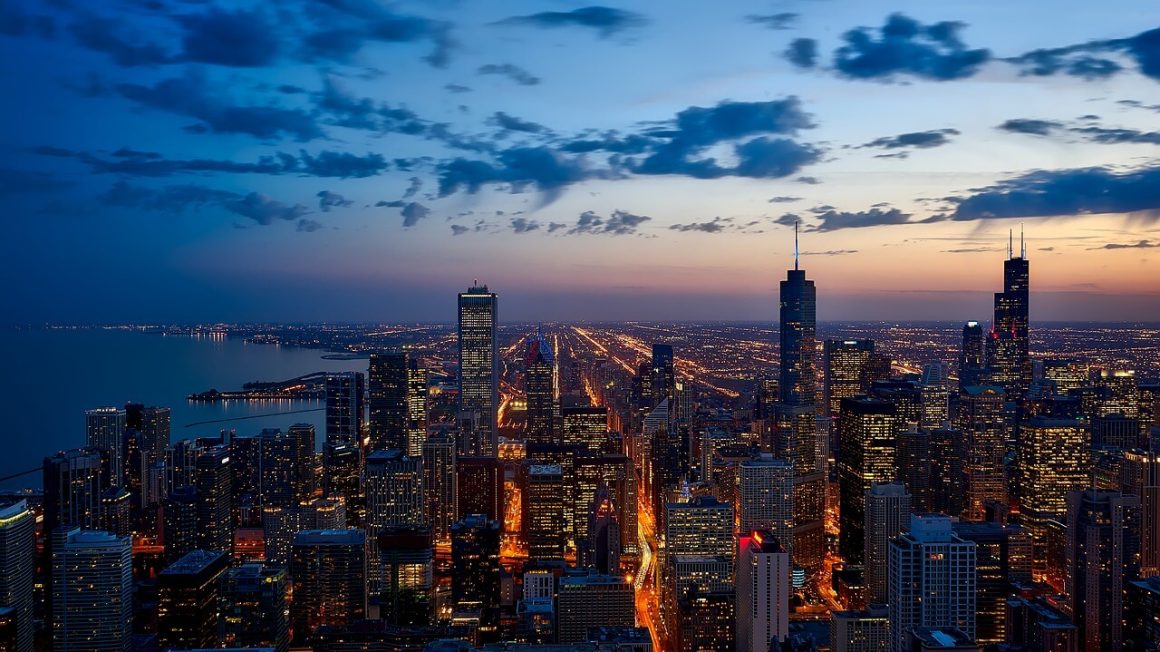
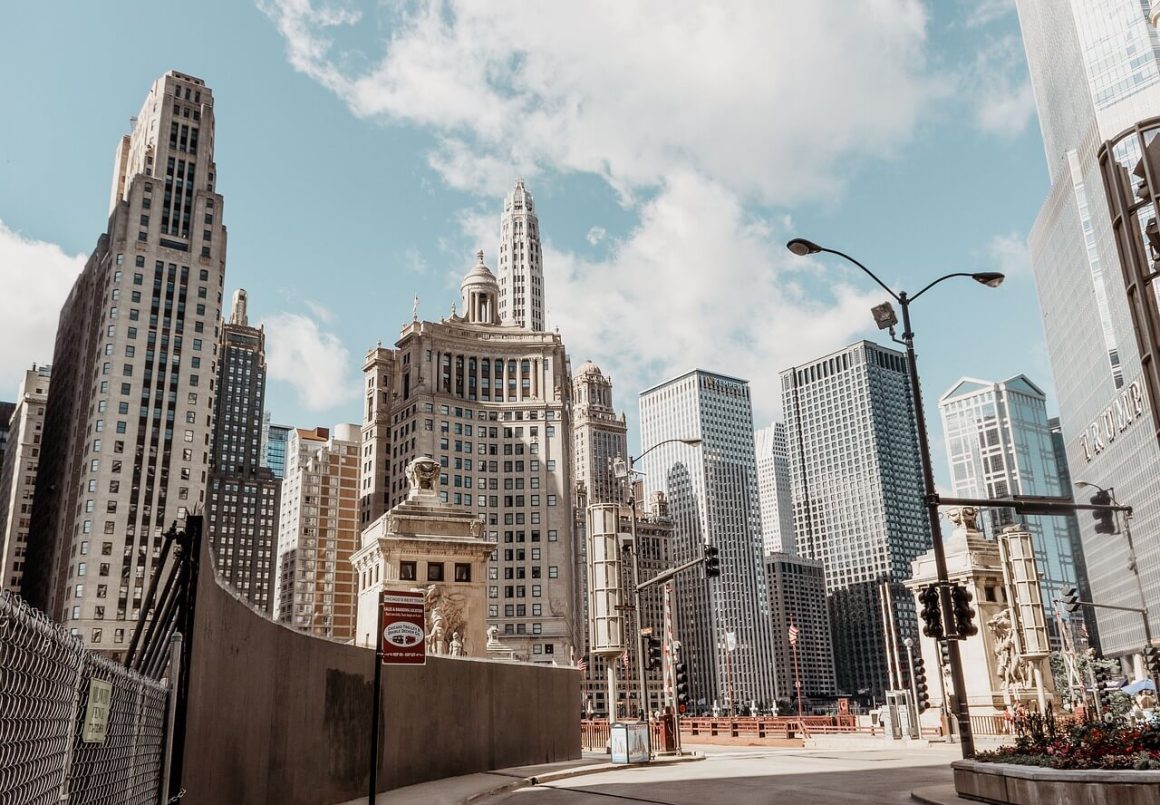
    While many cities on our list are popular places people relocate to, “is Chicago a good place to live” still has the most searches compared to all other areas in Illinois. With 2,693,976 residents, Chicago is the most populous city in the state and the third-most populated city in the United States. It’s the county seat of Cook County, with part of the O’Hare Airport extending into DuPage County. 

    Chicago was incorporated in 1837 and experienced rapid growth during the 19th century. The Great Chicago Fire destroyed many buildings and residents’ homes in 1871, however, forcing the city to rebuild. The process of rebuilding attracted so many residents that Chicago became the fifth-largest city in the world in 1900.

    But is it safe to live in Chicago? The city is the home of multiple Fortune 500 companies drawing many to it’s centre for better career options. Unfortunately, the crime rate in Chicago is 3,926 per 100,000 residents, way above the state average, and in 2019, residents reported 80,742 property and 25,532 violent crimes.

    The median household income in Chicago is $58,247, and the per capita income is $37,103, which is below the state average. About 18% of residents live in poverty, and the properties are pricier than in most other cities. The median gross rent is $1,112, and the median home price is $229,100.

    18. Rockford

    Major cities in Illinois are usually the most dangerous ones, and Rockford is no different. This city is located in the north of Illinois, has 145,609 residents, and it is the county seat of Winnebago County.

    During the 1800s, when the first settlers came to the area, Rockford became known for industrial development, mainly due to its proximity to the Rock River. In the 19th century, the town produced heavy machinery, tools, and hardware and then became a leading furniture manufacturing center. Presently, healthcare, aerospace, and automotive industries are the heart of Rockford.

    While the city sounds like a smart place to move to, Rockford, IL, crime rates might make you change your mind. The crime rate per 100,000 people is 4,501, and law enforcement reported 4,848 property and 1,711 violent crimes.

    Residents of Rockford earn less than most other Illinoisans. The median household income is $44,252, while per capita earnings amount to $25,517. More than 22% of people live in poverty.

    Rockford offers cheaper properties, with homes costing around $88,000, and the median gross rent is $772.

    While it might not be among the best places to live in Illinois, Rockford has a lot to offer to tourists. It’s the home of several historically significant venues such as Anderson Japanese Gardens, Tinker Swiss Cottage, the Coronado Theatre, and the Burpee Museum of Natural History.

    19. Peoria

    Peoria is the county seat of Peoria County in Illinois. It lies on the Illinois River and has 110,417 residents. Peoria is also the principal city of the Peoria Metro Area of Central Illinois.

    The city was officially established in the late 1600s by Henri de Tonti, a French explorer. From the beginning, its connection with the Illinois River made it one of the best cities in Illinois for European settlers. As a matter of fact, the Peoria Historical Society labeled it the oldest European settlement in the state.

    In 1825, the name Peoria was given in honor of the Peoria tribe. The city became an important port on the Illinois River throughout the years, making the city a major trading and shipping center.

    Residents of Peoria earn below the state average, with a per capita income of $31,497, and the median household income is $51,771. Almost 20% of people live in poverty, and the city is quite dangerous. The Peoria, IL crime rate is 4,793 per 100,000 people, and in 2019, law enforcement reported 1,158 violent and 4,160 property offenses. Notably, Peoria has the highest incidence of crime in all of America compared to both small communities and huge cities. 

    A typical house in Peoria costs $97,500, and the median gross rent is $806.

    20. Springfield

    Last but not least is the capital of Illinois, Springfield. This city is the seat of Sangamon County, and this Illinois city has a population of 114,230.

    If you ever go there, the Abraham Lincoln Presidential Library and Museum, the Lincoln-Herndon Law Offices State Historic Site, the Lincoln Tomb at Oak Ridge Cemetery, and the Lincoln Home National Historic Site are all sights to see.

    Compared to other cities in the state, earnings in Springfield are low. The median household income is $54,648, while per capita income amounts to $34,607. More than 18% of residents live in poverty. The median gross rent is $805, and the median house price amounts to $105,400.

    Springfield is among the most dangerous cities in Illinois, however. The crime rate is an alarming 5,218 per 100,000 residents, and in 2019, there were 5,080 property and 889 violent offenses in Springfield.

    Conclusion

    Illinois is filled with a diverse range of counties, towns, and cities, both big and small. Whether you’re looking for a quaint, historic place to settle down in your older years or chase after big dreams in the third-largest city in the States, you’re sure to find something.

    The safest cities in Illinois aren’t always the biggest, though. Larger populations come with much larger incidences of crime and not always the incomes to show for it. If you want to settle in a place that’s full of American history, however, and want to move somewhere with all four seasons, consider the Land of Lincoln as your next home.

  • Safest Cities in Massachusetts

    Safest Cities in Massachusetts

    If you want to get a fresh start in a new state, Massachusetts is a great choice. It has a strong and diverse economy, a highly educated population, and a booming high-tech industry. 

    Like with any state, safety concerns vary depending on where you look. We’ve compiled a list of the safest cities in Massachusetts, whether you’re looking to move, or just to visit. The last ten selections are ranked based on crime rate, so you can get a good idea of where’s a safe place to go, or not, without having to find out when you get there.

    About Massachusetts

    This state is officially called the Commonwealth of Massachusetts, and it’s part of the region of New England. Massachusetts is one of the original 13 united states, and according to the latest official data, the population of Massachusetts is 6,892,503 people.

    Massachusetts borders Connecticut, Rhode Island, New Hampshire, Vermont, New York, and the Atlantic Ocean, and the state capital is Boston.

    English colonist and explorer John Smith named this state after the Massachuset tribe, meaning “near the great hill.” The hill this term refers to is near Boston, and it’s the only higher ground in the flat area of Massachusetts.

    What is the Massachusetts State Flag?

    The Massachusetts flag is white with a blue shield at the center of it. In the shield, there is an illustration of a figure, the Wampanoag leader Ousamequin, who is known for signing the peace treaty with the English in 1621. He has a bow and an arrow in his hand, but the arrow he holds points downwards, signifying peace.

    Is Massachusetts Safe?

    The official law enforcement data shows that Massachusetts is a pretty safe state. Its crime rate is 1,507 per 100,000 residents, ranking far below the national average. 

    Does Massachusetts Have a High Quality of Living?

    Massachusetts is ranked among the top ten states for the highest quality of living.

    The median household income in the state is $81,215, with per capita earnings of $43,761. Less than 10% of people live in poverty, and the housing statistics tell us that the median home value is around $400.000, with a median gross rent of $1,282.

    The Safest Cities in Massachusetts in 2021

    Massachusetts - Safest Cities

    1. Clinton

    Clinton belongs to Worcester County, and it currently has 14,000 residents.

    Clinton used to be a Mill District of Lancaster, and two brothers, Horatio and Erastus, were responsible for the area’s industrial growth. By 1848, their inventions and marketing brought many people to the area leading to its exponential growth. 

    In 1850, residents decided to separate from the rest of the district and created the Town of Clinton. Some of the mills from that period can still be seen today, and many smaller companies regularly use them for their businesses.

    Clinton is a safe town near Berlin, Massachusetts. Its crime rate is only 129 per 100,000 residents, and in 2019, law enforcement reported a total of 4 violent and 14 property crimes.

    Clinton residents earn above the state average. The median household income in Clinton is $67,634, while per capita earnings amount to $33,796. Around 8% of residents live in poverty, and rents are cheaper. The median gross rent sits at $1,167, and the median home price is $279,400.

    2. Hopkinton

    Hopkinton is part of Middlesex County. It’s less than 30 miles away from Boston, and is one of the best places to live in Massachusetts.

    If you’re a fan of running, you probably know Hopkinson as the starting point of the Boston Marathon. Otherwise, those that work in the IT sector will recognize this name as the headquarters of Dell EMC.

    The town of Hopkinson was officially incorporated in 1715. It was named after Edward Hopkins, a colonist of Connecticut who invested in parts of the land in New England. 

    Today, around 18,470 people live in Hopkinson. It has an extremely low crime rate of 161 per 100,000 residents. The police reported 30 properties and zero violent crimes in 2019.

    Hopkinton is not one of the cheapest places to live in Massachusetts. The median home value is $603,700, and the median gross rent is way higher than the state average at $1,889. Residents of Hopkinton have just a 3.6% poverty rate, and high annual earnings, however. The per capita income is $68,734, and the median household income is $157,353. 

    3. Dover

    Dover belongs to the Norfolk County of Massachusetts, and it’s located on the Charles River, just 15 miles from Boston. The latest data available shows that Dover has 6,127 residents. 

    The history of one of the safest towns in MA dates back over 350 years. It was once part of Springfield’s area due to its open fields around the springs of Trout Brook. When it was time for the town’s official incorporation in 1836, the parish chairman chose to name it “Dover” to commemorate his ancestral home in England.

    The crime rate in Dover is only 229 per 100,000 residents, and in 2019, the police filed reports for 13 property offenses and only one violent crime.

    In case you were wondering what the richest town in Massachusetts is, Dover is an unexpected answer. The median household income is over $250,000, with per capita earnings of $125,777, and less than 1% of people live in poverty.

    High earnings come with more expensive properties, however, and the median house price in Dover is $1,157,700. The median gross rent sits at $2,181, which is almost $1,000 more than the state average.

    4. The Town of Franklin

    The town of Franklin is another beautiful place on our safest cities in Massachusetts list, and it belongs to Norfolk County. Despite its name, Franklin is officially a city of Massachusetts, but the government opted for keeping the prefix “the town of” in the city name.

    The city was named in honor of Benjamin Franklin in hope that he would donate a new bell for the town’s church. Instead, he donated a hundred books, and they built a public library, still called the Franklin Public Library.

    If you’ve been Googling “Franklin, MA, the safest town in America” trying to pick your next destination, the crime rate of Franklin is 271 per 100,000 residents, and in 2019, the police reported 85 property and only five violent crimes.

    Currently, 34,087 people live in this city. The residents of Franklin have high earnings, with a per capita income of $53,944 and a median household earning of $122,607. Only 4% of residents live in poverty, and while the area is safe and wealthy, the cost of living is relatively cheap. The median house costs $436,400, and the median gross rent is $1,378.

    5. Groton

    One of the best small towns in Massachusetts is Groton, located in northwestern Middlesex County, in the Nashoba Valley area. It’s the largest town in the Nashoba Valley area and is the home of two popular prep schools: Groton School and Lawrence Academy at Groton.

    Groton has 11,325 residents, and the people of Groton earn way above the state average, with per capita earnings of $58,468. The median household income in this town is $58,468, and less than 4% of people live in poverty.

    As one of the safest small towns in Massachusetts, Groton has a crime rate of 272 per 100,000 residents. In 2019, residents reported 23 property and eight violent crimes. The median home price is around $472,300.

    If you are interested in moving to Groton, you’ll be happy to learn that the rents are almost equal to the state average, at $1,296, while residents report higher earnings. 

    In case you ever visit Groton, the town officials recommend you to check out a few places, such as the Groton Historical Society Museum. 

    The Old Baptist Church is another famous sight in one of the safest cities in Massachusetts. At the top of the church, you’ll find a 90-year-old clock donated by Dr. Samuel Greene. Lastly, the Groton cemetery holds most of the town’s history with honorable soldiers from the Revolutionary War and Civil War.

    6. Sharon

    Sharon belongs to Norfolk County of Massachusetts. In 1775, it was incorporated as the Town of Stoughtonham, and eight years later, it was renamed Sharon after the Sharon plain in Israel due to the many forests. Sharon is one of the most beautiful places on the list of Massachusetts towns, with a rich history and beautiful landscape.

    The town’s heroine is Deborah Sampson. A woman from Sharon who disguised herself to fight in the revolutionary war and now has a statue and street named after her in the town. 

    Sharon has 18,895 residents, and the median household income is $141,424, while per capita income sits at $67,038. Only 1.5% of people live in poverty, and the median gross rent is $1,641, with a median home value of $551,000. The crime rate is only 295, with 47 property and nine violent crimes reported in 2019.

    Many visitors would call Sharon one of the nicest towns in MA. It’s the home of six historic properties, and you must see Sharon’s First Historic District, Sharon’s Third Historic District, and Stoneholm if you decide to visit. Cobb’s Tavern, the Stoughtonham Furnace Site, and the Borderland State Park are other notable sites in this town.

    7. Marshfield

    You can find Marshfield on the South Shore of Massachusetts, in Plymouth County. It’s about 30 miles away from Boston and is home to 25,967 residents. During the summer, officials report that up to 40,000 people reside in the town, as Marshfield is among the popular Massachusetts coastline towns.

    The most famous resident of Marshfield is Daniel Webster, who spent 20 years of his life in the town. He was an important political figure in the state and was known as “the Farmer of Marshfield.”

    The residents of Marshfield have incomes above the Massachusetts average, with per capita earnings of $48,190 and a median household income of $102,560. Around 6% of residents live in poverty, and the median house price is $466,200, with a median gross rent of around $1,436.

    In Marshfield, Massachusetts, the crime rate is 399 per 100,000 residents, and in 2019, law enforcement reported a total of 32 violent crimes and 71 property offenses.

    The town officials frequently organize various events throughout the year, and the residents recommend the Marshfield Fair, which attracts tourists from all parts of the state.

    8. Scituate

    Scituate is a town in Plymouth County, located on the South Shore of Massachusetts. The town has 18,924 residents, and nearly 53% of them are women. It’s a great place to look into if you want to find the best places to live in Massachusetts on the shore because this town has no less than five public beaches: Sand Hills, Minot, Egypt, Humarock, and Peggotty.

    Scituate gained its name from the Native American word “Satuit,” which means “Cold Brook.” 

    The residents of Scituate enjoy incomes higher than the state average, with per capita earnings of $66,675. In addition, the median household income in this town is $128,864, and less than 4% of residents live in poverty. The median home price is $587,600, and the median gross rent sits at $1,269, which is below the Massachusetts’ average.

    Scituate is one of the safest towns in Massachusetts, and as of 2021, the crime rate is only 405 per 100,000 residents.

    9. Duxbury

    Duxbury is another town in Plymouth County. It’s primarily a residential community on the South Shore of Massachusetts and is just 35 miles away from Boston.

    Duxbury was officially incorporated in 1637 and was the second town in the Commonwealth, making it one of the oldest Massachusetts towns. After the Civil War, this coastal town started attracting tourists during the summer, sustaining the community since then.

    One of the most popular places for visitors, the Standish Hotel, now consists of two private houses you can find on the Standish Shore. In 1833, the town officials formed the Duxbury Rural Society to preserve the beauty and historical appeal of the town, and it still exists to this day.

    Duxbury is one of the best towns in Massachusetts. The crime rate is 414 per 100,000 residents, and in 2019, the police reported 57 property and nine violent crimes.

    The town has 15,921 residents, and the median household income in the town is $128,173. Per capita earnings sit at $61,793, and around 4% of people live in poverty. Properties in this town are not cheap as the median house price is $621,800, while the median gross rent amounts to $1,758.

    10. Wellesley

    Wellesley belongs to Norfolk County, and it’s part of Greater Boston. It has 28,670 residents, with nearly 57% of them being women. If you’re wondering, “is Massachusetts a good place to live?” towns like Wellesley make us want to say, “yes!” This small, historic town has high average incomes and low crime rates.

    Wellesley was discovered over 350 years ago, and the settlers were so happy they found it that they named it “Contentment.” The town reached its peak during the 1920s, and after Filene’s department store opened in the town, it became one of the fastest-growing suburbs of Boston.

    With a crime rate of 428, it is one of the safest places to live in Massachusetts, and law enforcement reported only 120 properties and a total of seven violent crimes in 2019.

    Residents of Wellesley have very high incomes, which are far above the average for Massachusetts. The median household income in the town is $197,132, and per capita earnings are $85,784. Only 4.4% of Wellesley residents live in poverty, and the median house price is $1,343,200, with a median gross rent of $1,938.

    Is Massachusetts Safe: The Most Popular Cities in the State Ranked by Crime Rate

    Safest Cities in Massachusetts

    11. Milton

    The town of Milton is officially part of Norfolk County and lies between the Blue Hills and the Neponset River. It’s considered to be a suburb of Boston, MA.

    This town started flourishing in the 18th century when Boston investors realized its potential due to its proximity to Boston. They used this town to develop sawmills, iron slitting mills and the first chocolate factory in New England called the Walter Baker Chocolate Factory. 

    This city in Massachusetts has 27,593 residents, and about 53% of them are women. Those living in this town enjoy higher incomes than most other Bay Staters, with a median household income of $133,718 and a per capita income of $56,473. Less than 5% of residents live in poverty, and the median value of a house in Milton is $688,400, with a median gross rent of $1,330 a month.

    Besides being a town with high earners, Milton is also one of the safest places to live in Massachusetts. The town’s crime rate per 100,000 residents is 262, and in 2019, residents reported only 61 property offenses and 11 violent crimes.

    12. Arlington

    Arlington is part of Middlesex County in Massachusetts. It is only six miles away from Boston, making it one of the most popular places for families to relocate to, and has 45,531 residents.

    Throughout history, this town’s economy was led by the stream of Mill Brook, and the residents built seven mills on the stream, the most popular being the Old Schwamb Mill, which is still working to this day. 

    Some wonder, “is Arlington, MA a good place to raise a family?” With a crime rate way below the average for Massachusetts, at 441 per 100,000 residents, most say, “yes.” In 2019, law enforcement reported 167 property offenses, and there were only 34 violent crimes.

    High incomes are another attractive feature of Arlington, with per capita earnings of $59,073 and a median household income of $108,389.

    The median home price of Arlington is about $734,700, and compared to other Massachusetts cities, the median gross rent is $1,730. Despite this, the town has a poverty rate of around 5.2%.

    13. Peabody

    Peabody is located on the North Shore of Massachusetts and belongs to Essex County. The city’s last name was Northfield, and it has been part of Salem since 1626. A few decades later, officials chose to change the name to honor George Peabody, a famous philanthropist. 

    Peabody has hosted many industries, including mills, factories, and even the home to the leather industry of New England. With the onset of the depression, the leather industry shut down, causing stagnation in many cities in Massachusetts, including Peabody. Now, the retail industry is the most prominent in the town, with the opening of the North Shore Mall.

    Peabody is a small city, and currently has 53,070 residents. 9% of the population lives in poverty, and the average income is slightly below the state average, with a median household income of $73,217, and per capita earnings of $40,095. The median home value sits at $443,200, and the median gross rent is $1,366. 

    Is Peabody, MA safe? Well, it may not be the safest city in the state, with a crime rate of 1,051 per 100,000 residents, but it still ranks below the average for all of Massachusetts. In 2019, residents reported 13 violent crimes and 435 property offenses.

    14. Lowell

    Lowell belongs to Middlesex County and is part of the Greater Lowell Statistical Area. With a population of 110,997, Lowell is in the top five list of most populous cities in Massachussetts.

    The city was named after Francis Cabot Lowell, a prominent local figure in the Industrial Revolution. Its incorporation came in 1826, with a primary purpose of being a mill town. The numerous textile factories and mills in the area made it the cradle of the American Industrial Revolution. Today, the preservation of many manufacturing sites makes up the Lowell National Historic Park, documenting the town’s important place in American history. 

    The Lowell, MA crime rate is 1,846 per 100,000 residents, just slightly above the state average. In 2019, residents reported 1,652 property crimes and 405 violent offenses.

    With crime and earnings below the Massachusetts average, residents of Lowell do not enjoy the highest quality of life in the state. The median household income is $56,878, and per capita earnings are $26,837. An alarming 19% of people live in poverty, but properties are cheaper, with the median home price being $287,400, and the median gross rent is $1,158.

    While Lowell might not be the best option to relocate to, it’s one of the best places to visit in Massachusetts. The National Park Service worked on preserving the historical sites that residents used for manufacturing and are currently open for visitors in the Lowell National Historical Park.

    15. Cambridge

    Cambridge is another city that’s part of Middlesex County. It also belongs to the Boston Metropolitan Area, and it’s considered a suburb of this city. It officially became a city in 1846 by uniting three villages: East Cambridge, Cambridgeport, and Old Rural Cambridge. The Cambridge, Massachusetts population is 118,927, making it one of the most populated cities in the state.

    Cambridge received its name in honor of the University of Cambridge in England. This city is the home of various academic distinguished institutions such as the Massachusetts Institute of Technology and Harvard University. Furthermore, you can find the Hult International Business School and Lesley University in Cambridge. The city is also the home of the “most innovative square mile on the planet”: Kendall Square.

    Cambridge is a city of high earnings and expensive properties. Still, it’s considered one of the best towns to live in MA for students. The median household income in the area is $103,154, while per capita earnings sit at $58,724. Nearly 13% of residents live in poverty, and the median gross rent is almost $1,000 higher than the state average at $2,221. Houses are also pricey, with the median house cost being $807,200.

    The city has a crime rate of 1,932 per 100,000 residents, and in 2019, law enforcement reported 1,983 property and 334 violent crimes.

    16. Boston

    The city of Boston is the capital of Massachusetts and the most populous city in the state. It belongs to Suffolk County and is part of the Greater Boston Metro Area. Boston is one of the largest, and most dangerous cities in MA. Still, if you love big city living and want to be in Massachussets, Boston is a great choice.

    The city is the site of the Boston Tea Party, the Battle of Bunker Hill, the Boston Massacre, and the siege of Boston. After gaining independence, it remains relevant as an important manufacturing hub and port.

    Boston is known as the center for business ventures and scientific research and is one of the most important major cities in Massachusetts. Home to dozens of schools such as the Bay State College, Berklee College of Music, Boston University, and Benjamin Franklin Institute of Technology. 

    The city’s population is 692,600, and Boston is the most expensive city in the state, which doesn’t reflect in residents’ incomes. The median household income is $71,115, and per capita earnings are $44,690. Around 19% of residents live in poverty, and the median gross rent sits at $1,620, with a median home value of $602,600.

    The Boston crime rate is 2,639 per 100,000 residents. Despite being high for Massachusetts standards, the crime rate is lower than in most bigger cities in the United States. In 2018, the police reported 4,324 violent crimes and 14,007 property offenses. 

    17. Worcester

    Worcester is the county seat of Worcester County, and with 185,428 people residing in the city, Worcester is the second-largest of Massachusetts cities by population. Due to its location in the center of Massachusetts, this city is called the “Heart of Commonwealth.” 

    Blackstone Canal and railways nearby made Worcester perfect for industrial production in the 19th century. World War II halted production, however, leading to the long-term economic and population decline. During the 1990s, the city regained its relevance by becoming a biotechnology, medicine, and education center. Worcester is not one of the central Massachusetts towns with the most universities. Some of them are Worcester Polytechnic Institute, Clark University, and Holy Cross.

    Despite living in a big city with a lot to offer, residents of Worcester have pretty low incomes. Their per capita earnings are $27,884, and the median household income in the city is $48,139.The poverty rate is high, with one-fifth of residents living in poverty.

    The advantage to living in Worcester is the cheaper properties. The median home value is only $246,500, and the median gross rent is $1,095.

    The Worcester, MA crime rate is 2,680 per 100,000 residents, above the Massachusetts average, and law enforcement reported 3,793 property and 1,165 violent crimes in 2019.

    18. Brockton

    Brockton is part of Plymouth CountyCounty and has a population of 95,708. It’s among the most populated cities in the state, and it’s also the second-windiest town in America.

    Boxing fans will recognize Brockton as the “City of Champions.” That’s because Rocky Marciano and Marvin Hagler, famous boxing champions, were born there. Furthermore, Brockton High School has one of the most successful sports programs in the U.S and is the home of the Brockton Rox baseball team.

    This Massachusetts city used to be part of North Bridgewater before becoming a city in 1881. The industrialization earned Brockton the name “Shoe City,” as it became the epicenter of the shoe and textile industry.

    The residents of Brockton have incomes below the state average, and per capita earnings are $27, 439, with a median household income of $58, 469. Almost 15% of residents live in poverty.

    If you’re interested in moving to Brockton, a house costs around $292,500, the median gross rent is $1,111.

    The Brockton crime rate is 2,765 per 100,000 residents, making it a dangerous city to live in, and in 2019, the police reported 782 violent and 1,853 property crimes.

    19. New Bedford

    New Bedford is a city of Massachusetts that belongs to Bristol County. It’s commonly referred to as the “Whaling City” as it was a vital whaling port in the 19th century. Today, the city is famous primarily for its fishing fleet and seafood industry, and it was the setting of Herman Melville’s novel Moby-Dick.

    New Bedford is one of the most dangerous cities in Massachusetts. Its crime rate is 2,912 per 100,000 residents, and the police reported a total of 2,127 property offenses and 628 property crimes in 2019.

    The low quality of living is also apparent in average incomes. The median household income is only $46,321, and per capita earnings are around $25,829. More than 20% of people live in poverty, but properties are not expensive. The median house value is $242,800, while the median gross rent sits at only $847.

    While it’s among the worst cities in Massachusetts for crime and earning potential, New Bedford has a rich history, and it’s a great place to visit. The town has a rich and industrial history, and during the anti-slavery movement, the city was famous for the “Underground Railroad.”

    20. Springfield

    Springfield is a city in Hampden County, and with 153,606 residents, it’s one of the most populated cities in Massachusetts. It’s known as “The City of Firsts” as several innovations were developed there.

    The Springfield, MA crime rate is extremely high. The crime rate in Springfield is 3,501 per 100,000 residents, which is over two times higher than the state average. In 2019, residents reported 1,397 violent and 4,005 property crimes.

    Residents of this city have very low incomes. The per capita earnings are $21,499, and the median household income is only $39,432. As a result, almost 27% of people live in poverty.

    A benefit to living in Springfield is that it’s one of the cheapest places to live in Massachusetts. The median house value is $165,800, and the median gross rent is almost $200 below the Massachusetts average, at $877.

    Springfield is the home of various academic institutions such as Springfield College, American International College, Western New England University, and Springfield Technical Community College.

    Conclusion

    Massachusetts is a beautiful Eastern state that offers a variety of towns and cities suitable to many different styles of life. From beach towns and ports to lively cities full of business and innovation, there’s something for everyone provided the price is right.

    Some of the safest cities in Massachusetts are also the most expensive, so deciding where to live can be a combination of both income and crime rate. With rich educational institutions and industrial heritage towns, Massachusetts offers a founder’s feel to any town or city you choose.

  • Lawsuit Statistics To Intrigue You in 2024

    Lawsuit Statistics To Intrigue You in 2024

    The US holds one of the most interesting records when it comes to litigation. Rising litigation costs and frivolous lawsuits orchestrated by lawyers looking to make a quick buck plague the country.

    In these two cases, the plaintiff and the defendant usually have little to gain. Even with a hefty settlement amount, it doesn’t make up for the emotional stress and the lost time spent on meeting with attorneys and going to court.

    To gain better insight and understanding about the state of litigation in the US, here’s a list of some lawsuit statistics you might find interesting.

    Some Interesting Facts and Data on Lawsuits (Editor’s Choice)

    • The US holds the top spot for the largest number of lawsuits
    • There are 40 million lawsuits filed in the US every year
    • US companies spent $22.8 billion in 2020 because of commercial litigation
    • 80% of medical malpractice lawsuits result in no compensatory damages
    • Car accident claims are the most common personal injury lawsuits
    • Sexual harassment lawsuit damages are capped at $300,000

    US Lawsuit Statistics

    1. The US holds the top spot for the largest number of lawsuits.

    (Asset Protection Planner)

    Most of us know the US as the most litigious country in the world. This is because it has the largest number of lawsuits recorded every year.

    But if we take the number of litigations per capita into account, the top spot belongs to Germany. According to lawsuit statistics by country, Germany has 123.2 lawsuits per 1,000 people, while the US only has 74.5 lawsuits per 1,000 people.

    2. There are 40 million lawsuits filed in the US every year.

    (USFEF)

    According to lawsuit statistics in the US, there are about 40 million lawsuits filed every year. Unfortunately, many of these lawsuits are frivolous lawsuits filed by predatory attorneys who take advantage of the legal system to earn hefty sums.

    3. According to lawyer statistics, there are currently 1.3 million lawyers in the US.

    (Statista)

    In 2020, there were over 1.32 million lawyers in the US. That’s only a little over 200,000 lawyers than in 2015. Despite this slight growth in the number of lawyers in the US, there’s still an oversupply of lawyers compared to the number of jobs available.

    4. US companies spent $22.8 billion in 2020 because of commercial litigation.

    (Statista)

    Litigation statistics show that large companies spend huge amounts of money on litigation. Large companies’ spending on litigation has been increasing since 2016. In 2020, companies spent approximately $22.8 billion. By the end of 2021, litigation spending will probably reach $23.71 billion.

    5. 80% of medical malpractice lawsuits result in no compensatory damages.

    (Forbes)

    Every year, about 200,000 patients die because of medical error or malpractice. Yet, according to lawsuit statistics, medical malpractice lawsuits account for only 15% of the total personal injury lawsuits filed every year. What’s alarming is that 80% of these malpractice lawsuits don’t end in favor of the plaintiffs, which means there’s no compensation for the injuries or deaths.

    6. Only 0.13% of perceived racial discrimination cases are filed in court.

    (Contexts)

    Discrimination lawsuit statistics by race are difficult to gather. However, one study estimates that there 3.4 million potential occurrences of racial discrimination every year. Of this number, only 31,000 are filed with the EEOC. The number of cases that go to trial is reduced further to 5,000.

    7. Civil case filings rose by 3% in the fiscal year 2018 to 2019.

    (US Courts)

    In a summary of caseloads and trial statistics provided by the Administrative Office of the United States Courts for a 12-month period ended on March 31, 2019, it was concluded that civil case filings in US district courts rose by 3%. Moreover, the criminal defendant filings rose by 11%.

    8. One out of five convicts is imprisoned for a drug offense, according to crime conviction statistics.

    (Prison Policy)

    Many people indeed go to jail for nothing more than drug possession. The police make about one million arrests on account of a drug offense every year. However, four out of five convicts were imprisoned for less grave or more grave crimes than drug possession.

    9. According to US lawsuit statistics on class action lawsuits, settlements amounted to $2 billion in 2019.

    (National Law Review)

    In 2019, the total amount of settlements approved by the courts totaled $2 billion, which was $3.2 billion less than in 2018. It doesn’t automatically mean there’s a downward trend in settlements because a single settlement of $3 billion increased the 2018 amount.

    10. Florida had the busiest state courts based on lawsuit statistics by state and caseloads.

    (One Legal)

    From the most recent available caseloads data on all states in the US, Florida had the most caseloads, with 17,600 cases closed by its state courts. State courts in California and New York closed 11,000 and 10,000 cases, respectively.

    11. The largest settlement based on lawsuit statistics in the history of the US was worth $206 billion.

    (Connor Reporting)

    The Tobacco Master Settlement Agreement is the largest settlement in the history of the United States. This settlement worth $206 billion occurred between Philip Morris Inc., R.J. Reynolds, Brown & Williamson, and Lorillard and the attorneys general of 46 states and five territories.

    The purpose of the settlement was to compensate the states for the medical costs of treating tobacco-related illnesses.

    Notable Lawsuits in America

    12. Walmart gets sued about 5,000 times every year.

    (Miller and Zois)

    Based on Walmart lawsuit statistics, the world’s largest retailer receives an average of 20 lawsuits a day or 5,000 a year. The majority of these lawsuits come from the company’s employees on account of workplace discrimination or personal injury. Some of these cases go to trial, while others end in settlements.

    13. The percentage of civil cases that go to trial decreased based on a 2018 study of trial cases.

    (Stanford Law School)

    In 2018, the Stanford Law School conducted a study on civil cases that go to court. The study’s researcher found a 62% decrease in civil cases that went to trial between 1997 and 2016. The researcher supposes that litigants opt for non-time consuming alternatives such as settlements, summary trials, and voluntary dismissals.

    14. The federal judicial caseload statistics of 2019 indicate a 5% increase in filings.

    (US Courts)

    The US courts recorded a combined filing of 376,763 civil and criminal cases as indicated in their summary of key findings. Moreover, there were 389,666 terminations, marking a decline in the number of pending cases.

    Lawsuit Statistics by Type

    15. Sexual harassment lawsuit damages are capped at $300,000.

    (Forbes)

    The federal government has limited sexual assault and harassment damages to no more than $300,000. However, this amount doesn’t hurt large organizations at all.

    Joni Hersch, a law and economics professor at Vanderbilt University, set out to determine the monetary value of this type of case using sexual harassment lawsuit statistics and concluded that sexual harassment damages should be $7.3 million higher.

    16. COVID-19 could cost businesses $21 billion in lawsuits.

    (Reuters)

    Praedicat assesses risks for insurers and believes that COVID-19 could cost businesses a lot of money. Family members and relatives could sue employers on account of take-home infections. The employment lawsuit statistics could skyrocket and cost $21 billion if deaths from take-home infection reach 300,000.

    17. Car accident claims are the most common personal injury lawsuits.

    (The Daily Campus)

    According to personal injury lawsuit statistics, millions of Americans have vehicular accidents every year. Many of those who were in car accidents and sustained injuries file personal injury lawsuits against people who caused those accidents.

    18. Employee lawsuit statistics on workplace discrimination have an overall effect on managerial representation.

    (Harvard Business Review)

    By analyzing 171 high-profile cases against workplace discrimination, researchers identified a 10% gain for black women and a 13% gain for black men in managerial representation. The researchers found that these figures were statistically significant, which meant they could only be attributed to the lawsuits.

    19. As lawsuit statistics show, commercial liability costs increased by 14% between 2016 and 2018.

    (Institute for Legal Reform)

    A new study released by the US Chamber Institute for Legal Reform was conducted on commercial liability. The study found an increase in cost by 14% from 2016 to 2018. That means that businesses paid $343 billion in 2018, up by $43 billion from figures in 2016.

    What’s alarming is that businesses generating less than $1 million in annual revenue bore 39% of liability costs.

    20. Small business lawsuit statistics show that 53% of small businesses get sued every year.

    (SBA)

    In a study conducted among 65,000 small businesses, researchers found that a staggering 36% to 53% of small businesses get sued every year. This is detrimental to small businesses because lawsuits are often costly. These businesses need to brace themselves for attorneys’ fees, hefty settlement costs, emotional distress, and loss of business opportunities to competitors. Considering that the small business owners are making $71,000 per year on average, they can’t afford lawsuits.

    21. According to medical malpractice lawsuit statistics, 33% of lawsuits were filed due to failure to diagnose.

    (Medscape)

    In a medical malpractice report for 2019, researchers surveyed physicians who got sued. They found that the number one reason behind medical malpractice lawsuits is consistent with surveys conducted in previous years. Delayed diagnosis and failure to diagnose remain the top reasons for lawsuits, followed by complications from treatment or surgery.

    22. Medical lawsuits statistics show that 34% of physicians get sued at least once.

    (American Medical Association)

    Lawsuits against physicians are very common. According to researchers, at least 34% of physicians get sued in their career. Furthermore, research shows that general surgeons and OB/GYNs are most likely to get sued.

    23. The medical malpractice payout reached $4.03 billion in 2018.

    (Leverage RX)

    Malpractice lawsuit statistics show a 2.91% increase in payout from 2017 to 2018, reaching $4.03 billion. 96.5% of payment amounts resulted from settlement, while the remaining 3.5% resulted from a trial court decision.

    24. Slip and fall settlements range from $15,000 to $45,000.

    (Bernstein And Maryanoff)

    According to slip and fall lawsuit statistics, the average settlement of this type of lawsuit ranges between $15,000 and $45,000. A settlement could go lower than this average range in case of a minor injury.

    Likewise, the settlement could go higher if the injury is serious and the plaintiff holds firm evidence of negligence. However, most cases fall within the said range.

    25. Police lawsuits in 2019 cost taxpayers $300 million.

    (ABC News)

    According to police lawsuit statistics, $300 million were paid in settlements in 2019. Most lawsuits involved false arrests, excessive force, and civil rights violations. What’s unfortunate about this is that taxpayers are the ones bearing the burden of the costs of lawsuits because of police misconduct.

    26. Patent infringement lawsuit statistics show a 9% increase in lawsuits year-on-year.

    (Bloomberg Law)

    Patent lawsuits increased by 9% in the first five months of 2020, even though the pandemic disrupted businesses and US courts. Cases coming from non-practicing entities (companies that generate revenues through patent licensing) greatly contributed to the increase.

    A privacy policy comes in handy in these scenarios as it can greatly increase a company’s chances to win a patent infringement case.

    27. The first eight months of 2020 saw a spike in 401(k) filed cases according to 401(k) lawsuit statistics of 2020.

    (Bloomberg Law)

    2020 will be remembered as the year when the number of 401(k) lawsuits rose to 60 compared to only 20 in 2019. Bloomberg Law believes this increase resulted from new tools at a plaintiff’s attorney disposal, the maturing body of law under the Employee Retirement Income Security Act, and the pandemic.

    28. According to real estate lawsuit statistics and records, breach of contract is the most common reason for lawsuits.

    (Schlegel)

    The US has witnessed many lawsuits filed in the real estate industry. Buyers, sellers, agents, landlords, and tenants have all resorted to legal means to pursue their rights.

    Based on records from a law firm that has handled such cases, breach of contract is the most common reason for lawsuits. In this type of dispute, the plaintiff must have proof that the other party failed to fulfill their obligations or adhere to the pre-arranged terms of use.

    29. Tort lawsuit statistics show that tort cases account for only 4% of civil caseloads.

    (Center for Justice and Democracy)

    Tort cases usually pique public interest. However, data shows that there aren’t plenty of tort cases filed in state courts. In fact, they account for only 4% of all civil cases in the US. According to available data, that percentage remained consistent from 2012 to 2018.

    30. City payouts because of police misconduct in New York increased by almost $30 million in 2019.

    (New York Post)

    Based on the number of lawsuits against police departments, the statistics indicated an increase in payouts. The city paid $68 million to victims of assault, false arrest or imprisonment, and malicious prosecution. For comparison, the city paid out almost $39 million in 2018.

    Conclusion

    People gain little from going to trial. Not only is it financially draining, but it’s also incredibly stressful. As a result, many people decide not to pursue a case and opt for a settlement. For this reason, it might be prudent to examine all aspects of going to court.

    People Also Ask

    The number of reported criminal cases changes every year. According to the United States Sentencing Commission, 76,538 individual cases were reported in 2019, which was 7,113 cases more than in 2018.

    There is no exact number of lawsuits dismissed in the US every year. However, surveys show that as much as 97% of cases never go to trial. They’re either settled out of court or dismissed if a judge sees no real issue.

    A personal injury claim should be filed immediately, even if you’re still receiving treatment. That way, it will be easier to receive compensatory damages from the person who caused the accident.

    According to federal prosecutors and lawsuit statistics, the US conviction rate is very high. It has been consistently rising since 1973. Since 2003, the conviction rate in federal courts has been over 99%.

  • The Safest Cities in Virginia

    The Safest Cities in Virginia

    Virginia, or officially the Commonwealth of Virginia, covers the Mid-Atlantic and Southwestern parts of the United States. It’s located between the Appalachian Mountains and the Atlantic Seaboard.

    The fantastic scenery, coastal towns, and mountain cities make Virginia a great place to relocate to, so if you’re thinking about moving somewhere new, take a look at this list of the safest cities in Virginia to help you make your choice. From small, secure towns to the most famous cities in the state, scroll down to see if Virginia is for you.

    About Virginia

    Virginia is among the most extensive seafood producers on the East Coast due to Chesapeake Bay’s rich wildlife. It’s the home of the largest naval base: Naval Station Norfolk, which employs many Virginia residents, and is the home of the largest government office building: the Pentagon. While the Pentagon has the Washington, D.C. mailing address, it’s actually located in one of the cities in Virginia: Arlington.

    This state was the first English settlement, making it the “birthplace of the nation,” and four of the first five presidents were born in Virginia.

    Named after Queen Elizabeth I, known as the Virgin Queen, between 1649 and 1660, Virginia state was part of the English commonwealth. In 1660, Virginia became a colony before officially adopting a constitution in 1776. At that time, the term “commonwealth” was most likely reintroduced as an addition to its name to emphasize the people’s sovereignty in the state, and they never removed it.

    Living in Virginia

    According to the latest estimates, Virginia has 8,535,519 residents. The median household income in the state is $74,222, and per capita income amounts to $39,278. Nearly 10% of residents live in poverty.

    When it comes to real estate stats about Virginia, the median gross rent in the state is $1,234, and the median house price sits at $285,229.

    Crimes, both property and violent, are less common in Virginia than in most other U.S. states, with a crime rate of 1,851 per 100,000 residents.

    Safest Cities in Virginia 2021

    Virginia Safest Cities

    1. Bridgewater

    Bridgewater is a town in Rockingham County and is part of the Harrisonburg Metropolitan Area. It’s the home of Bridgewater College and was once home to the world’s longest wooden covered bridge.

    The first settlers came to the area in the 1740s, and they originally called it McGill’s Ford because the McGill brothers owned a large portion of the land. During that time, various families built mills along the North River and used the land as a port to ship products down the river, giving the town its official name, Bridgewater: one of the best rural places to live in Virginia. 

    Currently, Bridgewater has 6,145 residents. The median household income in the town is $62,870, and per capita earnings amount to $33,350. Around 6% of people live in poverty, and the median gross rent is $806, and the median house price is $228,200.

    When it comes to safety, Bridgewater is a small and secure town. Its crime rate is only 373 per 100,000 residents, making it one of the 10 best places to live in Virginia. In 2019, law enforcement reported 23 property crimes and zero violent offenses. 

    2. Buena Vista

    Buena Vista is a city in the Blue Ridge Mountains region of Virginia, and It doesn’t belong to any county. At the moment, it has a population of 6,478, with over 57% of female residents.

    Buena Vista used to be known as Green Forest, Green Valley, and Hart’s Bottom. In 1890, the area officially became a town in Virginia. Upon receiving a city charter, it separated from Rockbridge County, becoming an independent city.

    As far as cities in Virginia go by population, residents of Buena Vista live in a safe town. Average annual incomes, however, are relatively low. The median household income is $32,455, while per capita income amounts to $39,278. Around one-fifth of the population lives in poverty: 21.4%, but housing is relatively easy to obtain with a median house price of $112,500 and a median gross rent of $795.

    Even though it’s small, Buena Vista is far from a boring city in Virginia. The townspeople worked on preserving its original condition, which is why you’ll find many historical buildings in the area. Some of the sights to visit are the Old Courthouse, Southern Seminary Main Building, and Buena Vista Colored School. You will also find Cedar Hill, Glen Maury, Old and W.N. Seay House, and the beautiful Buena Vista Downtown Historic District in this town.

    Buena Vista is one of the safest cities in Virginia. It has a crime rate of 406 per 100,000 residents, and in 2019, the police reported only 18 property and seven violent crimes.

    3. Purcellville

    Purcellville is part of Loudoun County. It’s the primary center for both the Loudoun Valley and the Western Loudoun Valley. In addition, Purcellville is the home of Patrick Henry College.

    Purcellville is a town to consider for all those that wonder what the best place to live in Northern Virginia is. It is safe, has a high standard of living, and a unique appeal. The town has a rural feel with a touch of Victorian architecture. 

    This city has 10,178 residents. The residents enjoy a high standard of living, with per capita earnings amounting to $46,399. The median household income is $139,074, and only 3% of residents live in poverty. The average rent is around $1,428, and you can purchase a house for approximately $550,300.

    As one of the safest places to live in Virginia, Purcellville has a crime rate of 435 per 100,000 residents. In 2019, residents reported 37 property offenses, and the police filed reports for a total of 8 violent crimes.

    4. Lexington

    Lexington is the county seat of Rockbridge County. However, this town is officially an independent city, which means that Rockbridge County and Lexington are two separate jurisdictions. Currently, in Lexington, VA, the population is 7,446. A large portion of the residents are employees of the Washington and Lee University and the Virginia Military Institute, both of which are located in the town. 

    Lexington is a great place to visit. The Lexington Carriage Company organizes carriage tours around the town, where you’ll be able to see the Lee House, the University Chapel & Museum, the Stonewall Jackson House, and the Oak Grove Cemetery. 

    You can visit the “Unheard Vices of Black Lexington,” which documents the history of 15 different Lexington locations raising awareness of black residents’ contribution to the town. Those looking for an edgier tour of one of the towns in Virginia should try out the Haunting Tales Ghost Tour, which starts on Memorial Day weekend. During the tour, you will hear a spookier version of Lexington’s history.

    The median household income is $42,632, and per capita income sits at $19,047. A large percentage of the population lives in poverty, though, with 27.4%. The median gross rent is $788, while the median home price amounts to $221,700.

    Lexington has a crime rate of 478 per 100,000 residents, making it one of the safest cities in Virginia. In 2019, there were 27 property and seven violent crimes in the area.

    5. Blacksburg

    Blacksburg is located in the northern Blue Ridge Highlands region and belongs to Montgomery County. This town is the home of Virginia Tech, which is the second-largest public university in Virginia.

    The town’s population is 44,233, and the median household income is $43,173, with a per capita income of $23,234. It has a high poverty rate of 43.3% and relatively expensive housing prices. The median gross rent in this town is $1,107, and the median home price is $293,100.

    Even though the Blacksburg, VA, population has a high poverty rate, it’s among the most famous places in the state. Blacksburg is home to Virginia Tech, one of the most well-known universities in the United States, and is a bonafide college-town.

    On the university campus, you will find the Moss Arts Center, the home of Virginia’s Tech Center for the Arts. In case you want to feel the vibe of the town, you should take a stroll in downtown Blacksburg, or if you want to see something different, visit the Smithfield Plantation, built in 1773. 

    Violence in Blacksburg, Virginia is relatively low, with a crime rate per 100,000 residents is 723, and in 2019, residents reported 275 property offenses and 111 violent crimes.

    6. Dumfries

    Dumfries is a town in Prince William County, and It has only 5,922 residents, 58% of which are women. Its modern leading industry is accommodation and food services, but the town has a rich history of being a lively port. 

    Dumfries is one of the oldest towns in Virginia. Its history dates back to 1690 when Richard Gibson built a gristmill in the area. A few years later, he made a warehouse and a customs house which brought other residents to the land. In 1749, Dumfries officially became a town. The land was given to the city by John Graham, who named it after his birthplace, Dumfriesshire, Scotland.

    This town was once among the best places to live in northern Virginia, as it was a booming port in Colonial America for shipping tobacco. Still, after the Revolutionary War, shipping shifted to wheat and sugar, which led to a massive decrease in its popularity.

    The earnings of Dumfries’ residents are below the state average, with a per capita income in the town of $22,408 and a median household income of $63,780. More than 18% of people live in poverty, and the median gross rent is quite high at $1,634, while the average house costs about $372,100.

    As one of the best places to live in Virginia for crime rates, Dumfries is pretty safe. Its crime rate is 912 per 100,000 residents, and the police filed reports for 41 property and seven violent crimes in 2019.

    7. Poquoson

    Poquoson is an independent city in Virginia. It’s part of the Hampton Roads Metro Area and officially belongs to York County since 1951. In 1975, it became one of the independent Virginia cities, which means that now it isn’t part of any county. Still, the city shares the jail, courts, and the sheriff with York County.

    Poquoson, which is often referred to as Bull Island, has a population of 12,271, and 5.6% of residents live in poverty. The median household income is $97,118, with a per capita income of $40,258.

    Those that want to relocate to Poquoson will be interested in some property data about the town. The median gross rent there is $1,222. Moreover, the median value of a home is $305,800.

    As one of the safest places to live in Virginia, Poquoson has a crime rate of 940 per 100,000 residents, and in 2019, law enforcement reported 91 property offenses and 23 violent crimes.

    8. Manassas Park

    Manassas Park is another independent city in Virginia. It belongs to the Washington-Arlington-Alexandria Metro Area, and the city of Manassas and Prince William County are nearby. Manassas Park was officially incorporated in 1957, and it became a city in 1975. The town currently has 17,478 residents.

    Those that are looking for the best places to retire in Virginia should consider relocating to Manassas Park. Its crime rate per 100,000 residents is 994, and in 2019, the police reported 154 property crimes and only 21 violent offenses.

    Residents of Manassas Park enjoy higher incomes than most other Virginians. Per capita earnings amount to $34,326, and the median household income is $88,046. Only 6.4% of residents live in poverty, which is more than 3% lower than the state average. On the other hand, the median gross rent is around $500 higher than the state average, sitting at $1,732. The median house price is $280,500.

    Manassas Park is one of the Northern Virginia cities with great historical significance. It’s the home of the Measles Fort, also known as “A” Fort and Battery Hill Redoubt-Camp Early. This was a military facility during the American Civil War.

    The city is currently being renovated to build a “Village at Manassas Park” that will help the town sustain itself in the upcoming years. It will contain a restaurant, coffee shop, and an outdoor splash pad.

    9. Vienna

    Vienna belongs to the Fairfax County of Virginia. It has 16,485 residents and is the site of the Battle of Vienna during the American Civil War.

    Vienna is among the highest-earning cities in Virginia. The median household income there is $161,196, while per capita earnings sit at $70,962. Only 2.8% of people live in poverty, more than 7% lower than the state average. High salaries come with a more expensive lifestyle, and as such, the median gross rent in Vienna is $2,081. A typical home costs around $788,800.

    Vienna is not only the best place to live in Virginia but also a great city to visit. Feel the city vibe by strolling Maple Ave, or grab a coffee on the nearby Church Street. You should also visit Freeman Store and Museum, Caboose Brewing Company, and Wolf Trap National Park for the Performing Arts. 

    This city is pretty safe, with a crime rate of 1,098 per 100,000 residents, and there were 163 property offenses and 20 violent crimes reported in 2019.

    10. Strasburg

    Strasburg is a town in Shenandoah County and was founded by Peter Stover in 1761. With only 6,676 residents, Strasburg is considered one of the small towns in Virginia.

    This town was incorporated in 1922, and it belongs to the county famous for its antiques, pottery, scenery, and significance during the American Civil War. The Strasburg Museum was built in the late 1800s, which can still be visited by tourists, and residents used it as steam pottery until 1909. Today, visitors can find displays of original pottery, antiques, Native American artifacts, Civil War articles, farm tools, and a working model railroad that resembles the Strasburg Railway.

    The Strasburg, Virginia crime rate is below the state average, with a prevalence of 1,167 per 100,000 residents, and in 2019, law enforcement reported 66 property and 12 violent crimes.

    While they enjoy the town’s safety, residents of Strasburg have incomes lower than the Virginia average. The median household income is $54,740 annually, and per capita earnings are $25,505. More than 10% of residents live in poverty. 

    The cost of living in Strasburg is lower than the state average, with the median gross rent of $977 and median home value of $193,200.

    Crime in Virginia: Rated Rankings

    Safest Cities in Virginia

    11. Alexandria

    Alexandria is an independent city in Virginia, with a population of 159,428, the majority of which are females. It’s one of the largest cities in the state and gained independence from Alexandria county in 1870.

    Despite being a big city, Alexandria has a crime rate of a smaller town. The crime rate of 1,729 per 100,000 residents falls below the state average. In 2019, residents reported 2,517 property and 288 violent crimes.

    Just like most of the Northern Virginia cities, Alexandria is influenced by Washington D.C, and many of its residents are government officials, which is primarily why their earnings are above the state average. 

    The median household income in this city is $100,939, and per capita income amounts to $62,679. Still, the number of people that live in poverty is above the state average with 10.3%. The earnings reflect the property prices as the median gross rent sits at $1,747, and the median home price is around $542,100.

    Alexandria is the home of the Institute for Defense Analyses, and as Alexandria is one of the biggest cities in Virginia, other important institutions are also located there. The National Science Foundation, as well as the United States Patent and Trademark Office, have headquarters stationed here. 

    12. Manassas

    Manassas is an independent city of Virginia. It’s part of the DC–VA–MD–WV metropolitan area.

    This city was vital during the American Civil War and was the location of the First Battle of Manassas and the Second Battle of Manassas. In 1873, the city was incorporated, and about 20 years later, it became the county seat of Prince William County.

    According to the latest available data, Manassas, VA population is 41,085. The median household income of the residents is $81,493, while per capita earnings amount to $33,082. Around 8% of people live in poverty, which is slightly below the state average.

    The property prices in Manassas are slightly higher than in the rest of Virginia, with median house prices sitting around $392,200 and median gross rent sitting at $1,528.

    If you’re wondering if Manassas, VA is safe, the crime rate per 100,000 residents is 1,735, which is below the state of Virginia’s average. In 2019, law enforcement reported a total of 623 property offenses and 103 violent crimes.

    13. Virginia Beach

    Virginia Beach is an independent city. With a population of 449,974, it’s the most populous town in Virginia. It belongs to the Hampton Roads metropolitan area, and it’s a great place to visit and relocate to. Virginia Beach is the safest city, according to many who are looking for a populous but secure beach community.

    The residents of this city earn pretty much the same as most Virginians. The per capita income in Virginia Beach is $37,776, and the median household income sits at $76,610. Only 7.3% of residents live in poverty, and property values and rents are also close to the state average. The median home value is $268,100, and the median gross rent is $1,367.

    The Virginia Beach crime rate is slightly above the state average, with 1890 per 100,000 residents, and the police filed reports for 7,906 property and 581 violent crimes in 2019.

    14. Chesapeake

    Chesapeake is another independent city in Virginia. It’s the second-most populous city in the state, and it has 244,835 residents. This city is part of the Virginia Beach–Norfolk–Newport News metropolitan area, and is home to where many say is the safest place to live in Virginia.

    The 1900s present the most exciting part of Chesapeake’s history. The area that now forms this city was primarily rural. Throughout this period, a portion near Norfolk started developing as the suburb of South Norfolk. Two rail lines nearby caused a rapid growth of the population, leading to South Norfolk becoming an independent town in 1919.

    After annexation lawsuits in the 1950s by neighboring cities, Norfolk County and South Norfolk decided to merge in an attempt to resolve the ongoing issues. In 1963, these entities joined to create one of the largest cities in Virginia, the city of Chesapeake.

    Resident earnings are close to the state average. The median household income amounts to $78,640, while per capita income is $35,536. Around 8.6% of people live in poverty, while the median gross rent is $1,279, and the median home value is $270,300.

    The crime rate of this town is above the Virginia average, with 2,730 per 100,000 residents, and in 2019, the police of Chesapeake reported 5,541 property crimes and 1,112 violent offenses.

    15. Newport News

    Newport News is another independent city among the major cities in Virginia. It rests at the point where the Chesapeake Bay meets the James River. Newport News belongs to the Hampton Roads Metro Area.

    This city has 179,225 residents. The median household income there is $53,215, and per capita income sits at $28,294. Around 15% of people live in poverty, which is way above the Virginia average, and the median gross rent is $1,057, while the median home price is $181,200.

    Newport News is not among the best cities in Virginia when it comes to crime rates, however. Its crime rate is 3,124 per 100,000 residents, and in 2019, the police reported 1,056 violent and 4,484 property crimes.

    16. Hampton

    Hampton is an independent city that rests on the Chesapeake Bay. Established in 1610, it’s among the oldest towns in the United States. It’s also the home of Hampton University, NASA Langley Research Center, the Virginia Air, and Space Center, and the Langley Air Force Base in this city.

    Hampton has 134,510 residents. If you want to become one of them and wonder if Hampton, VA is a safe place, know that crime is quite high. The crime rate per 100,000 residents in this town is 3,294, way above the Virginia average. Residents reported 3,994 property offenses and 393 violent crimes in 2019.

    Earnings of Hampton residents are slightly below the state average. This town’s per capita income is $30,135, and the median household income sits at $56,287. About 15.2% of people live in poverty, and the median gross rent is $1,118. The median home values are around $167,500.

    It’s hard to be bored in Hampton, VA, and while it may not be one of the best cities to live in Virginia, it’s a great place to visit. There is a vibrant arts community in the town, and officials organize various festivals and events during the year. 

    17. Richmond

    Richmond is the capital of Virginia and the center of the Richmond Metropolitan Area. Its incorporation came in 1742, and it became an independent city in 1871.

    This city was important for the Powhatan Confederacy, and English colonists from Jamestown settled here during the Starving Time. After being incorporated, Richmond became the capital of the Colony and Dominion of Virginia. In the Civil War, the city was the capital of the Confederacy.

    The Richmond, VA population for 2021 is 230,436. Resident earnings are much lower than the Virginia average, with the median household income of just $47,250 and per capita income of $33,549. Almost a quarter of people live in poverty, even though the economy of this city is driven by finance, government, and law. 

    Several government agencies are located in Richmond, such as the Federal Reserve Bank and the U.S. Court of Appeals, which explains why despite low incomes, the median home value in Richmond is $214,400, and the median gross rent is $1,025.

    The Richmond, VA crime rate is exceptionally high, making this city a dangerous place to live. The crime rate per 100,000 residents is 3,962, which is over 2000 more than other cities in Virginia. In 2019, law enforcement reported a total of 8,074 property and 1,068 violent crimes.

    18. Norfolk

    Norfolk doesn’t belong to any county, also making it an independent city. It was incorporated in 1705, and it’s one of the oldest points in the Hampton Roads Metro Area. Many consider it to be a financial, cultural, and historic center of the region, and according to the latest available data, Norfolk is the third-most populated city in Virginia, with 242,742 residents.

    Norfolk borders several bodies of water, and throughout history, it was a vital strategic point for both the military and transportation. The bayfront and riverfront portions of the city are what sustain the economy of Norfolk, and the city is the home of the biggest naval base in the world: Naval Station Norfolk. 

    Norfolk is an interesting town for tourists and potential residents with a mix of history and modern coastal architecture. If you catch yourself wondering if Norfolk, VA is safe, however, don’t get too excited. This city has a crime rate of 4,007 per 100,000 residents, and according to police reports from 2019, there were 8,405 property offenses and 1,325 violent crimes in Norfolk. 

    The median household income in the town is $51,590, and per capita income amounts to $29,830. Nearly 19% of residents live in poverty, and the median gross rent is $1,059, while the median house price is $185,900. 

    If you don’t mind the Norfolk, VA crime rate, it can be an affordable and interesting place to settle down in. 

    19. Roanoke

    Roanoke is an independent city of Virginia. It lies in Roanoke Valley, and it’s the principal city of the Roanoke Metropolitan Area.

    Roanoke has 99,143 residents, and the median household income is $44,230, and per capita income is $27,006. About 20% of people live in poverty, but Roanoke is one of the cheapest places to live in Virginia. The median gross rent is around $814, and the median home price is around $158,800.

    Roanoke is considered to be a mountain city and an innovation hub. The city officials highlight its beautiful landscape as the main reason to spend time there, and Roanoke recently received the IMBA Silver-Level Mountain Biking Ride Center status. For those looking for a more urban experience, Downtown Roanoke offers plenty of things to do. You can explore various shops, restaurants, and markets there.

    The Roanoke VA crime rate is exceptionally high, however. With a rate of 4800 per 100,000 residents. That’s 3000 offenses higher than the average for Virginia, and in 2019, the police filed reports for 386 violent offenses and 4,402 property crimes.

    20. Portsmouth 

    Portsmouth is another independent city located in Southwest Virginia on the Elizabeth River. It belongs to the Hampton Roads Metro Area, and Portsmouth is the home of two U.S. Navy facilities: the Naval Medical Center Portsmouth and the Norfolk Naval Shipyard. 

    Portsmouth currently has 94,398 residents and is one of the most dangerous cities in Virginia. Its crime rate is 6,807 per 100,000 residents, and in 2019, law enforcement reported 5,509 property and 889 violent crimes.

    The residents of this town earn way below the state average, with a median household income of $52,175, while per capita earnings are about $26,312. Almost 17% of residents live in poverty, but the city offers lower rent and housing prices, and the median gross rent is $1,048, and the median house price is $153,200.

    While you may need to search for a Virginia home security system if you want to relocate to Portsmouth, at least you won’t be bored. This town offers plenty of things to do, especially for families. Parents love the Children’s Museum of Virginia as it provides a fun way for children to educate themselves on history. 

    Those that are fans of nature will enjoy various parks, with the most popular one being Portsmouth City Park. The town has multiple interesting museums, such as the Lightship Portsmouth Museum and Portsmouth Naval Shipyard Museum.

    Conclusion: The Safest Cities in Virginia

    Virginia has many things to offer, and it’s a perfect place to relocate to, no matter if you are a fan of mountains or want to live near the Ocean. Due to its rich history, almost every town has historical sites and buildings, and its higher education and healthcare are among the best in the nation.

    We found the top 10 safest cities as well as compiled a list of the most popular ones ranked by their crime rates. If Virginia is your next destination, we hope we helped you choose the perfect place for you.