Author: Damjan Milenkovic

  • Safest Cities in Ohio

    Safest Cities in Ohio

    Ohio might be the most underrated state in the United States. Slipping under the radar, it’s actually quite remarkable. No less than eight U.S. presidents were born there, and it’s home to the Rock & Roll Hall of Fame!

    Ohio offers beautiful everyday nature and has a crime rate lower than the national average. If you’re looking for a new place to locate, take a look at our list of the safest cities in Ohio to help you decide where you might like to go. 

    The safest places by ranking are the smaller towns and districts, but if you’re looking for a bigger city vibe, take a look at our list for larger cities ranked by crime rate to help you decide that sweet balance between attraction, entertainment, and safety. No matter what your preference, Ohio is a small but diverse state with lots to offer.

    Where is Ohio? – About the State

    Ohio is a state in the United States located in the Midwest region. It borders Kentucky, Indiana, Michigan, West Virginia, Pennsylvania, and Lake Erie. When it comes to the territories, Ohio is one of the smallest but most populated states in America. According to the latest available data, it has over 11 million residents. Ohio was established in 1803 as the 17th state and named after the Ohio River.

    Experts believe that Ohio’s rapid rise in population was mostly thanks to its location and other states near Ohio. The lack of natural barriers made migration easy, especially for east-west travel. Ohio is in the heart of the old American industrial belt, and it’s close to resources and labor in the South, East, and Midwest.

    People refer to Ohio as the “Buckeye State” due to the number of buckeye trees around its borders. In fact, in 1953, the Ohio Buckeye became the official tree of Ohio. 

    Is Ohio a Good Place to Live?

    When it comes to crime rates in U.S. states, Ohio is somewhere in the middle. Its total crime rate per 100,000 residents is 2,349. The property crime rate is 2,056, which is lower than the national rate of 2,110 per 100,000 people, and the violent crime rate sits at 293, also lower than the national rate, which is 379 per 100,000 residents.

    The median household income in Ohio amounts to $56,602, and the per capita earnings are $31,552, with around 13% of people living in poverty.

    Safest Cities in Ohio 2021

    Ohio State House

    Olmsted Falls

    Olmsted Falls is part of Cuyahoga County in Ohio, and it is considered a suburb of Cleveland. According to the latest official data, the town currently has 8,828 residents, with more than 53% being women.

    The history of Olmsted Falls is rich and dates back hundreds of years. The land was purchased and founded by Aaron Olmsted, a wealthy captain after whom Olmsted Falls was named. The area officially became the city of Olmsted Falls in 1970.

    This town is one of the safest cities in Ohio. Its crime rate is 248 per 100,000 residents, one of the lowest in the state. In 2019, the people of Olmsted Falls reported 203 property offenses and only four violent crimes

    The median household income in Olmsted Falls is above the Ohio average at $69,839, and the per capita income is $37,802. Only 3.4% of people live in poverty, and if you want to buy a home in Olmsted Falls, a typical house will cost you $221,237. Those that want to rent will have to spend around $863 monthly.

    Springboro

    Springboro is one of the best cities in Ohio when it comes to crime rates and quality of living. 

    It was founded by Jonathan Wright in 1815, naming the village Springboro to reference the various underground springs in the area. It currently has 18,931 residents and was incorporated as a city in 1831. 

    Residents of Springboro have pretty high incomes. According to the latest official estimates, the per capita earnings of the people of Springboro are $43,270, and the median household income sits at $107,225. Only 2.8% of people live in poverty.

    Springboro is not only safe by Ohio’s standards, but it’s among the safest places to live in the US With a crime rate of 353 per 100,000, the police reported 66 property offenses and only one violent crime in 2019.

    Safety and high incomes come with a price. If you want to rent in Springboro, you will have to pay $400 more than in most other Ohio towns and cities. The median gross rent is $1,209, and an average house costs $332,248. Over the past year, home values have increased by 13%.

    North Ridgeville

    As one of the fastest-growing cities in Ohio, it comes as no surprise that “North Ridgeville safest city” is among the most popular searches for those looking to relocate. This city is part of Lorain County of Ohio, and is a suburb of Cleveland.

    North Ridgeville used to be Ridgeville Township, with its history dating back to 1810. The settlers organized the township in 1813, and the town later changed its name, inspired by the local post office.

    The city currently has around 34,000 residents, and women comprise the majority of the population. Residents of this city in Ohio live way above the state standards as there are only 5% of people in poverty. The median household income is $77,221, and the per capita earnings amount to $36,386.

    Renting in North Ridgeville costs around $968 a month, and a typical home in this town costs about $236,555. Thus, living in North Ridgeville is more expensive when compared to other cities and towns in Ohio.

    North Ridgeville has a low crime rate of 363 per 100,000 residents. In 2019, the police reported a total of 13 violent crimes, and there were 112 property offenses that year.

    Seven Hills

    Seven Hills is located in Cuyahoga County. Originally belonging to Independence Township, in 1927, it became a village, and 34 years later, Seven Hills was officially incorporated as a city.

    Seven Hills is another beautiful town on our “what is the safest city to live in Ohio” list. If you ever find yourself in this city, you should take a walk in one of the many parks such as the popular John Glenn Park, Calvin Park, North Park, and Cricket Lane Park; or stop by the Recreation Department as it frequently organizes various programs and events during the year to be enjoyed by tourists and residents alike.

    If you’re searching for the safest city in Ohio in 2021 with a high standard of living, you should look into Seven Hills. The median household income is $82,255, while per capita income sits above the Ohio average at $39,352. The percentage of people living in poverty is more than two times lower than the state average: at 5.8%.

    Just like many other towns, higher standards are associated with higher costs. The median gross rent in Seven Hills is $1,207, and the average price of a house is $238,176.

    Seven Hills is one of the safest cities in America. The crime rate per 100,000 residents is 379, and in 2019, the police field reports for only seven violent crimes and 37 property offenses.

    Kirtland

    Kirtland is part of Lake County, and even though it’s a small city, it has a rich history, and it’s a great place to visit and relocate to. This city is the headquarters of the Latter Day Saint movement and is the site of the first Mormon temple called the Kirtland Temple.

    The population of Kirtland is just 6,812, Kirtland isn’t exactly the first place that comes to mind when you think about where the best place is to live in Ohio. It is one of the rare small places, however, with so much to explore. 

    The historic Kirtland is part of the city where the visitor’s center and six historical buildings are located, welcoming visitors to see the historic sawmill, a schoolhouse, and an ashery. You can explore the Newel K. Whitney and Company store, the Newel and Ann Whitney’s home, and the Johnson Inn historical exhibit.

    Besides the many historical attractions, Kirtland is also one of the safest places to live in Ohio. Its crime rate is 396 per 100,000 residents, and residents reported 21 property and six violent crimes in 2019. The median household income is $91,683, while per capita earnings amount to $51,708. About 5.5% of people live in poverty, and the median gross rent is only $782, while the average home value is $311,199.

    North Royalton

    North Royalton belongs to the Cuyahoga County of Ohio, and it was founded in 1818. The city was named Royalton after the natal town of one of the settlers, Knight Sprague, and was officially incorporated in 1927.

    North Royalton is one of the safest cities near Cleveland. It has a crime rate of 453 per 100,000 people, and according to the official police reports, there were only 119 property crimes and 17 violent offenses in 2019.

    The city has a population of 30,068, and the majority of residents are female. The people of North Royalton live above the state average, with per capita earnings of $41,258, and the median household income in the town is $70,665. Only 4.8% of people live in poverty.

    North Royalton is among the cheaper Ohio cities to rent in. The median gross rent is $896, which is about $90 higher than the Ohio average, and a typical house costs around $266,583.

    In case you ever visit North Royalton, you’ll be amazed by its beautiful scenery. You should visit the Mill Stream Run Reservation for its long hiking trail and several bike trails surrounded by plenty of parks.

    Munroe Falls

    Monroe Falls is part of Summit County. It’s a suburb of Akron, and it’s officially part of the Akron Metropolitan Area. It has only 5,063 residents, and its low crime rate makes Munroe Falls one of the best rural places to live in Ohio.

    The first settlers built a sawmill and a gristmill which is why the city was first called Kelsey’s Mills, after the settler who built it. Years later, William and Edmund Munroe bought the mills as well as 250 acres of land in order to create a village. They gave the area the name Munroe Falls, and it officially became a city in 1991.

    If we were to rank Ohio cities by population, Monroe Falls is one of the last, but when it comes to crime rates, the situation is the opposite. The crime rate of this town is 453 per 100,000 residents, and residents reported 23 property crimes and zero violent offenses in 2019. 

    The median gross rent in Munroe Falls is lower than average at $769, and a typical house costs $205,756. Even though properties can be cheaper, residents’ incomes are higher than average, with median household earnings of $66,333. The per capita income is $35,005, and around 9% of people live in poverty.

    Berea

    Berea is another town on the safest cities in Ohio list located in Cuyahoga County. The city has a great location as an official suburb of Cleveland, and it’s near the Cleveland Hopkins International Airport. Berea hosts the training facility of the Cleveland Browns, and it’s home to Baldwin Wallace University.

    John Baldwin is one of the founders of Berea. He created the Baldwin Institute, later known as the Baldwin-Wallace College. The name for Berea was decided by the flip of a coin in 1836, with the other option being Tabor.

    Berea has a population of 18,609. With a crime rate of 474 per 100,000 residents, it’s among the safer cities in Ohio, with 79 property crimes and nine violent offenses reported by police in 2019.

    The median household income in Berea is $59,511, and the per capita income sits at $29,540. Around 11.9% of residents live in poverty, and while the poverty rate is higher than some Ohio towns, it’s still below the state average.

    In case you are interested in relocating there, a typical house costs $182,771. On the other hand, the median gross rent is slightly above the state average and is estimated to be $847 monthly.

    Bellbrook

    Bellbrook is one of the best places to live in Ohio if you’re looking for a small city. It is part of Greene County, and it has only 7,344 residents.

    Bellbrook was named by combining the names of the city’s founding fathers. The town was originally a village, but it slowly increased its population from territories around Sugarcreek Township before gaining its city status in 1974.

    Residents of Bellbrook have a higher income than most Ohioans. Their per capita income is $44,259, and the median household income sits at $84,130. Only 3.3% of people live in poverty, and the rent is almost the same as in other places in Ohio. The median gross rent amounts to $984 a month. A typical house in Bellbrook costs around $239,588.

    The crime rate for Bellbrook is 491 per 100,000 people, and residents reported only 36 property crimes and no violent offenses in 2019.

    Even though it’s a small place, Bellbrook is far from boring. It’s a few minutes from Sugarcreek, and if you like nature, you should go to the Sugarcreek Metropark, and history fans will enjoy the Bellbrook Historical Museum.

    Bay Village

    Bay Village is located in Cuyahoga County of Ohio. It has a population of 15,194, and it’s one of the safest places to live in Ohio.

    Bay Village was originally part of Dover Township, comprising of Westlake and parts of North Olmstead. In 1901, landowners teamed up and requested they split from the township in order to form the Bay Village Township. 

    After the last Cahoon relative passed away, the family home and 115 acres of land were given to the city. Today, the landmark is called Cahoon Memorial Park. Years later, John Huntington, one of the figures of Bay Village, donated his summer estate, which is now known as the Huntington Reservation.

    As one of the best cities to live in Ohio, Bay Village has a crime rate of 499 per 100,000 residents, and police reported 72 property crimes and four violent offenses. Residents of Bay Village have pretty high incomes, with the median household income at $103,582, while per capita earnings amount to $53,838. Only 3.4% of people live in poverty, and the median gross rent is $1,040. The average home costs $325,641.

    Is Ohio Safe? – Crime Rankings of Ohio’s Most Popular Cities
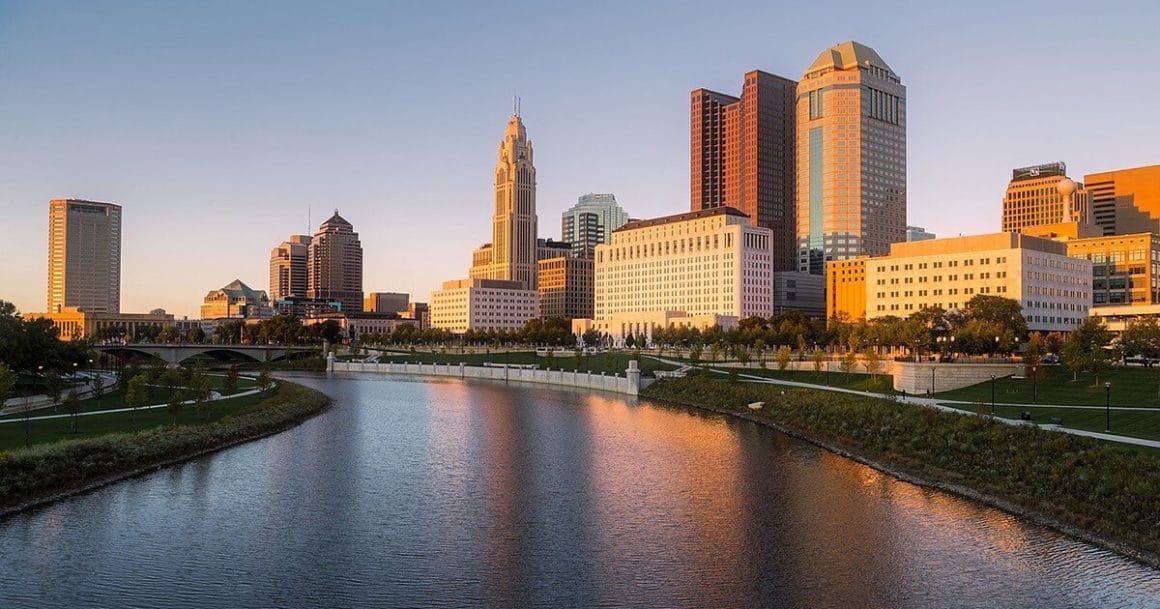
    Safest City in Ohio - Columbus

    Parma

    Parma is part of Cuyahoga Count located just southwest of Cleveland. It gained its name in honor of the other Parma, located in New York, which heralded its name from the famous Italian city. This city was primarily agricultural until the end of World War II when younger families began relocating from Cleveland to more suburban areas. During the sixties, Parma was the fastest-growing city in the United States.

    Parma is among the larger cities in Ohio, with a population of 78,103. Its crime rate isn’t low, however, compared to the biggest cities in Ohio. Its crime rate is 1,112 per 100,000 residents, with 759 property and 112 violent crimes reported by police in 2019.

    The per capita income of Parma residents is $29,113, and the median household income sits at $57,120. Despite the lower earnings, the percentage of people living in poverty is lower than the state average at 9.1%. A typical house in Parma costs $160,647, and the median gross rent is $865.

    Newark

    Those wondering if Newark, Ohio is a good place to live should consider the city’s complex history. Home of the Ohio State University at Newark, Newark is the county seat of Licking County.

    Historically, Newark was a popular industrial town. It was rich in resources such as oil, iron, silica, and glass, which led to many companies choosing this city as their home.

    It maintains a rural and historical appeal, which is something Newark officials are proud of. Its most interesting site is Newark Earthworks, an ancient complex built by the Hopewell culture.

    Newark has a population of 49, 470 and its crime rate is 36 per 1000 residents. With good Ohio home security equipment, however, living in Newark might be just fine. Residents reported 1,676 property offenses and 379 violent crimes in 2019.

    The median household income in Newark is $45,039, and the per capita earnings amount to $25,259. Their poverty rate is 18.3%, although the median gross rent is lower than the Ohio average at $776, while an average home costs only $169,681.

    Columbus

    Columbus is the most populous city in the state with 898,553 residents and is the center of the Columbus metropolitan area, the largest one in the state. 

    Founded in 1812, this city was set to become the Ohio state capital from its inception. It gained its name to honor the explorer Christopher Columbus, and in addition to being the state capital, it was also named the county seat in 1824. The city had constant growth and industrialization, and by the early 1990s, Columbus became the biggest city in the state by both its size and population.

    Columbus is the home of the biggest clearinghouse of chemical information in the world: Chemical Abstracts Service, and Ohio State University is also part of the Metropolitan Area of the Ohio capital.

    Around 19.5% of Columbus residents live in poverty, which is above the state average. Residents make less than other Ohioans, with per capita earnings of $29,322, while the median household income is $53,745. Rents are also higher. The median gross rent is $961, and the average value of a house there is $205,329.

    The crime rate in Columbus is high, with 3,811 crimes per 100,000 residents, and law enforcement reported 29,974 property offenses and 4,561 violent crimes in 2019. Columbus may not be the safest place to live, but safer options exist in the suburbs of this city. The safest cities in Columbus, Ohio, are the suburbs of Granville, Dublin, and Upper Arlington.

    Hamilton

    Hamilton is the county seat of Butler County, and it lies on both banks of the Great Miami River. During the 19th century, the railroad lines near the town attracted new residents from European countries, which is how it grew its population and became an actual city.

    The town’s population of 62,082 earns below the state average. The median household income is $47,064, and per capita earnings are $24,230. An alarming 17.1% of people live in poverty, and safety is a serious concern.

    If you’ve been asking, “is Hamilton, Ohio safe? The crime rate per 100,000 residents is 4,011, and in 2019, the police reported 2,228 property and 265 violent crimes.

    A typical home will cost you around $210,665, and the median gross rent is almost the same as the state average at $809.

    While it’s not the safest city, Hamilton is an exciting place to be. Visitors of Hamilton can enjoy plenty of beautiful, historical sights, and the town has three National Historic Districts. 

    Akron

    Akron is the county seat of Summit County. It is among the major cities in Ohio, with a population of 197,597. The city was founded in 1825 by Paul Williams and Simon Perkins. Akron was also known as the “Rubber Capital of the World.” It gained this nickname due to its long history of tire and rubber manufacturing.

    The crime rate in Akron is very high at 4,220 per 100,000 people, which is way above the state average. In 2019, residents reported 6,568 property offenses and 1,782 violent crimes.

    Akron is one of the cities that give Ohio a bad name every time somebody wants to know is Ohio a good place to raise a family. Its crime rates are high, and the standard of living is dangerously low, with 23.5% of people live in poverty, which is 10% higher than the Ohio average. The median household income is low at $38,739, and the per capita income is only $23,688.

    Buying and renting a property in Akron is cheaper than other Ohio places, with the median gross rent sitting at $759 and an average house costing only $90,238.

    Toledo

    Toledo is the county seat of Lucas County and is the principal town of the Toledo Metropolitan Area. This town isn’t the largest city in Ohio, but it’s close. The population of 272,779 makes it the fourth most populated town in the state. Toledo is an important port city for the U.S.and is amongst the busiest in the Great Lakes. 

    This town was founded in 1833 on the bank of the Maumee River, and after the Miami and Erie Canal was completed, Toledo’s population started growing quickly. The fast growth was supported by the nearby railway line between Chicago and New York City. In the 1880s, Toledo became the home of many glass manufacturers, granting it the nickname, The Glass City of Ohio, USA. 

    Toledo’s residents have low incomes, with median household earnings of $37,752 and a per capita income of $22,438. A considerable percentage of people live in poverty at 25.5%, and as such, properties in Toledo won’t cost you as much. The median gross rent is $725, and a typical house costs $92,674.

    The crime rate per 100,000 residents in Toledo is high at 4,415 per 100,00 residents, and in 2019, law enforcement reported 2,694 violent and 9,470 property crimes.

    Dayton

    Dayton is the county seat of Montgomery County, and with a population of 140,407, it’s one of the largest cities in Ohio. The city is known as the home of the Wright brothers, who flew the first successful flight in a powered aircraft.

    Its founder, Israel Ludlow, marked the territory of Dayton along the Great Miami River. The city was named after the politician and war veteran Jonathan Dayton, and the (then) town started growing during the War of 1812 when it served as a mobilization point. Dayton went down in history when it became a host of the Dayton Peace Accords between Serbia and Bosnia in 1995.

    Dayton’s residents have lower incomes and higher poverty rates than other towns in the state of Ohio. The median household income is $32,540, and per capita, earnings amount to $19,872, with more than 30% of people living in poverty.

    Dayton has a crime rate of 5,002 per 100,000 residents, and in 2019, the police reported 1,351 violent and 5,673 property crimes. The median gross rent for the city is only $706, and a typical house costs around $85,356.

    Cincinnati

    Cincinnati is the seat of Hamilton County and the economic and cultural center of Metro Cincinnati. The first settlers populated the city in 1788, and because of its rich history, and stunning architecture, this city is among the cool places in Ohio to visit.

    Cincinnati hosts three major sports teams: Cincinnati Bengals, Cincinnati Reds, and FC Cincinnati. It used to be called the “Paris of America” due to its fascinating architecture. Some of the architectural wonders sightseers love are the Cincinnatian Hotel, Shillito Department Store, and Music Hall. Cincinnati is famous for being the birthplace of William Howard Taft, the 27th President of the United States.

    Cincinnati has a population of 303,940, which makes it one of the largest in the state, and its per capita income in the city is $30,531, while median household earnings amount to $40,640. Around 26% of Cincinnati, Ohio residents live in poverty, which is above the Ohio average, and the median gross rent sits at $738, and a typical house costs $202,318.

    The crime rate per 100,000 residents in Cincinnati is 5,147, and in 2019, residents reported 2,562 violent crimes and 13,051 property offenses.

    Cleveland

    Cleveland is the biggest city on Lake Erie and the county seat of Cuyahoga County. It’s the center of the Greater Cleveland Metropolitan Area and part of the Cleveland–Akron–Canton Combined Statistical Area.

    The city was founded in 1796 by General Moses Cleaveland. The growth of one of the most populated cities in Ohio was quick and steady, primarily due to its connection to canals and railroad lines and its location near the lake and river shores.

    Cleveland is one of the most populated towns in the state, with 381,009 people. Residents earn way below the state average with a per capita income in Cleveland is $21,223, and the median household income is $30,907. Many people living in poverty, with a rate of 32.7%. The median gross rent in the city is $719, which is below the state average, and a typical house costs $88,987.

    Those wanting to move to this city and wonder, “is Cleveland, Ohio safe?” will be disappointed. The crime rate per 100,000 residents is 5,984, which is way more than in most other cities in the state. In 2019, there were 17,057 property and 5,791 violent crimes.

    On the bright side, Cleveland is also a global city, also known as “Gamma.” It’s full of interesting buildings of historical significance, and some of the sights attractive to visitors are the Cleveland Museum of Natural History, the Cleveland Museum of Art, and Playhouse Square. They are home to the Rock and Roll Hall of Fame and the Cleveland Orchestra.

    Canton

    We’re finishing off our list of cities in Ohio with Canton. Canton is the county seat of Stark County, and It has a population of 70,447, which makes it one of the largest in the state.

    Canton is famous for being part of the successful front porch campaign of President William McKinley. In his honor, the McKinley National Memorial and the William McKinley Presidential Library and Museum were built. To commemorate his wife’s life, the First Ladies National Historic Site was created, and Canton is the birthplace of the National Football league and the home of the Pro Football Hall of Fame.

    Canton is also one of the most dangerous cities in Ohio. Its crime rate per 100,000 residents is 6,691. The law enforcement reported 981 violent crimes and 3,712 property offenses in 2019 alone.

    Residents’ earnings are much lower than the state average, as the median household income isCounty and $32,287, while per capita incomes amount to only $19,967. To make matters worse, over 30% of people live in poverty.

    Canton also has one of the lowest median rent amounts in the state at $671. A typical house in this city costs $128,996.

    Conclusion

    Our list of the safest cities in Ohio outlined some of the most interesting places to go in Cleveland based on history, affordability, and entertainment. If you’re extra concerned about crime, our rankings can help you decide, finding the best balance between livability and safety. 

    Ohio is a state with a great location, beautiful scenery, and exciting attractions. It’s also one of the more affordable states to live in in the US, making an interstate move that much easier.

  • Safest Cities in New Jersey

    Safest Cities in New Jersey

    Whether you’re looking for your next vacation spot or finding a new place to live, here are the top 10 safest cities in New Jersey. Whether you’re looking for a city with a bigger population and more entertainment or a smaller town with historic streets, New Jersey has the variety you are looking for. 

    With a list ranked by crime rates, you can ensure your safety while traveling or trying to find your next neighborhood. No matter where you choose, New Jersey is a state filled with history, attractions, and industry, just waiting to be explored. 

    Is New Jersey Safe? — About New Jersey

    New Jersey is one of the 13 original states of the United States. It borders Pennsylvania, Delaware, New York, and the Atlantic Ocean, and its capital is Trenton.

    New Jersey was named after the island of Jersey, and it’s considered to be the Crossroads of the East. It’s highly industrialized, and almost 17% of its land is covered in productive farmland. The most popular commodities you’ll find in New Jersey are garden vegetables, peaches, cranberries, blueberries, dairy products, and seafood.

    If you’re still wondering, “what is New Jersey famous for? Tourists that visit this state will love the number of diners in New Jersey. Some might even claim that NJ has the most diners in the world! The state is also the home of the tallest water tower – Union Watersphere, and New Jersey was where the motion picture projector, the light bulb, and the phonograph were invented.

    If you’re thinking about moving to this state and you’re wondering whether or not NJ is safe, this portion of our article is for you! New Jersey is actually one of the safest states. With a crime rate per 1000 residents of only 15.4, your chances of becoming a victim of a violent crime are just 1 in 483.

    New Jersey has a population of approximately 8,882,190 people. The median household income in the state is $82,545, and the per capita income sits at $42,745. According to the latest available data, about 9.2% of people live in poverty. 

    Top 10 Safest Cities in New Jersey 

    Safest Cities in New Jersey

    River Vale Township

    River Vale is a part of Bergen County and used to belong to Harrington Township. Back then, it was known as the “Over Kill Neighborhood” because it was located over the Hackensack River (commonly called “a kill”). River Vale officially became a township in 1906, and it has around 9,800 residents.

    This town is one of the safest towns in America. The official data shows that there weren’t any violent crimes in the area in 2019. Additionally, only 20 property crimes were reported, giving it an overall crime rate of 1.9, which is 98% lower than the national average.

    Residents of River Vale earn much more than most New Jerseyans. The median household income for the town is $153,161, and the per capita income is $68,619. River Vale is one of the towns in New Jersey with the lowest poverty rates. Only 2.4% of residents live in poverty, way below the New Jersey average. The average value of homes in River Vale is $679,73, and the median gross rent is slightly below $1,600.

    In case you ever find yourself in River Vale, you should visit its Farmers Market and the Public Library. If you get bored, you can always go to the River Vale Country Club, where you can join golf tournaments or a Toptracer range contest.

    Sparta

    Sparta is one of the safest cities in New Jersey. Although it’s officially a township that belongs to Sussex County, it gained its name after the community of Sparta, which was named after the well-known city-state in ancient Greece. According to the latest data available, it currently has around 18,500 residents, and over 51% of them are women.

    If Sparta sounds like a place you would like to move to, it’s useful to know that the typical home value in this town is $435,446, and the median gross rent from the period from 2015 to 2019 was $1,472. 

    Sparta has higher earnings than most other cities of New Jersey. The median household income is $138,061, while per capita income is $61,186. Unsurprisingly, only 2.3% of the residents live in poverty. 

    Sparta has a crime rate of only 2.3 per 1000 people. In 2019, residents reported just six property offenses and 43 violent crimes.

    This town has a lot of exciting places to offer visitors. For those who love parks, the Kittatinny Valley State Park or Sparta Glen Park are must-sees. History buffs will also benefit, with museums such as the Sparta Historical Society and the Friar Mountain Model Railroad Museum open year-round.

    Kinnelon

    If you’re wondering what parts of New Jersey are close to NYC and are safe enough to live in, you should consider Kinnelon. This town is actually a borough in Morris County, and it’s only 33 miles from New York City. 

    The city’s previous name was Charlottenburg, after Charlotte, the wife of King George III. In 1922, Kinnelon officially became a borough and gained its name in honor of the son of Francis Kinney, an industrialist who purchased a large portion of the town’s land in 1884 for his summer cottage. 

    This is one of the safest towns in NJ. In 2019, Kinnelon had a crime rate of only 2.3 per 1000 residents. During that year, people reported only one violent crime and 22 property offenses.

    Kinnelon has a population of almost 9,900 people. The per capita income in the town is $66,336, while the median household income sits at $158,000. Less than 3% of people live in poverty despite the relatively high cost of living.

    The typical home value in the town is $636,978, and house values rose by almost 11% in 2021. If you’re looking to rent, know that the median gross rent is $2,040.

    New Providence

    The population of the New Jersey town, New Providence is estimated to be around 13,600, and is officially titled a “borough” in Union County.

    This borough has a rich history and many interesting tales. In the 1700s, the area where New Providence is located used to be known as the “Turkey Town” due to a large wild turkey population. According to local tales, George Washington once spent the night in a local home that exists still to this day. Many years later, in 1809, New Providence became a township, but in 1900, the town was reincorporated as a borough.

    New Providence is close to the safest city in New Jersey. It has a crime rate of 2.7 per 1000 residents, and residents reported 36 property crimes and no violent crimes in the area in 2019. 

    The safety of the town comes with a price. If you want to buy a house there, you’ll likely have to spend around $672,000. The median gross rent is also high, at $1,733. On the upside, incomes are pretty high in this town. The median household income is $143,672, while the per capita income sits at $70,292.

    If you would like to visit one of the safest places in New Jersey, New Providence is a great choice. It has been a semi-dry area for 100 years, meaning that restaurants and bars were not allowed to sell alcohol. In 2015, however, the town changed the rules and granted liquor licenses to restaurants again, pledging to use the money from alcohol for town renovations.

    Bergenfield

    Bergenfield is a borough located in Bergen County. The name was given by the New Jersey and New York Railroad officials who, upon building a station and not agreeing on the name, simply put “Bergen Fields” on the tickets. When Bergenfield (one of the safest places in New Jersey) was officially incorporated in 1804, the leaders modified the name into Bergenfield.

    Bergenfield’s crime rate is 3.4 per 1000 people. In 2019, residents reported 15 property offenses and 78 violent crimes. It hosts around 27,300 residents, and over 52% of them are female.

    Those looking to rent in Bergenfield should know that the median gross rent for the town is only $100 higher than the NJ average, at $1,420, and the typical home value is also higher, at $453,901. 

    The per capita income of Bergenfield residents is lower than in most towns in North Jersey, and it amounts to $38,193, while the median household income is more than $10,000 higher than the state average, at $96,335. Around 6.7% of residents live in poverty, approximately 2.5% lower than the NJ average.

    Warren Township

    Warren Township is part of Somerset County in New Jersey, and is officially considered a bedroom suburb of the New York metropolitan area. It is one of the safest cities in the New York metro area, with a crime rate of only 2.8. In 2019, residents reported two violent crimes and 42 property crimes, and according to the latest estimates, Warren has around 15,600 residents.

    The township’s incorporation took place in 1806 from portions of Bridgewater Township and Bernards Township and is named as a tribute to the war hero General Joseph Warren. This area started gaining popularity in the 1900s when wealthy New Yorkers looking for a more relaxed place to live would choose Warren due to its proximity to the city. 

    Warren Township is one of the highest-earning places in New Jersey. The per capita income is $82,261, while median household income sits at $170,264. Only 2.7% of people live in poverty.

    Despite having residents with high earnings, median gross rent is not much higher than the NJ average: $1,651, and a typical house in Warren costs $790,805.

    Warren is constantly being ranked in the nation’s best places to live. What sets this township apart from others is the quality of education, wide, open spaces, and plenty of working farms. Those that want to visit the town should go there during their June carnival.

    Dumont

    Dumont is one of the safe places to live in New Jersey near NYC. With a crime rate of only 3.5 and its close proximity to the Big Apple, Dumont became a popular choice for everyone looking to stay out of the crowds without missing out on the action. Regarding the low crime rate, residents reported only six violent crimes and 56 property offenses in 2019.

    Dumont was first called the Borough of Schraalenburgh. It was formed in 1891 from parts of Palisades Township and Harrington Township. The town later changed the name to Dumont to honor the first mayor of the city, Dumont Clarke.

    As one of the safest towns in NJ in 2021, Dumont currently has a population of 17,500. The median household income of residents is $100,219, and per capita income is $47,885. About 4.8% of people live in poverty, which is more than 4% less than the state average.

    For renters in Dumont, the median gross rent is below the New Jersey average, at $1,306, and the typical house in Dumont costs around $457,570.

    Tenafly

    Tenafly is a borough that’s located in Bergen County. The town was officially incorporated in 1894, and it has a population of around 14,450 people.

    Tenafly is a beautiful city in New Jersey, but it comes with fairly high rents in comparison to the rest of the state. The median gross rent in the area is $2,271, and home values are also exceptionally high, with an average price of $866,532. 

    Residents of Tenafly do, however, have some of the highest earnings typically sitting around $72,800 annually. The median household income is $172,926, roughly $90,000 higher than the average New Jersey resident. Only 2.8% of people live in poverty, which is almost 6.5% lower than the state average.

    This town is on our list because it’s among the safest cities in NY for 2021. Officially, the crime rate in Tenafly is 6.3, but the latest numbers show that last year only one violent crime was reported, and just 90 property offenses.

    Medford

    Medford is a township that was incorporated in 1847 from parts of the Shamong Township, Medford Lakes, and Lumberton Township, but it’s now part of Burlington County of New Jersey. 

    Medford isn’t yet one of the cities in south New Jersey, as it tries to maintain its suburban charm and historic streets. The township’s officials are working hard to keep the area as close to its original state as possible while also creating the residential portions of the town with respect to the lakes, streams, and woodlands around the city.

    The average home value in the town is $429,369, and the median gross rent is $1,335. In case you relocate there, you will have around 23,400 neighbors.

    As one of the safest towns in South Jersey, Medford has a crime rate of 6.5 per 1000 residents, and in 2019, residents reported 19 violent and 134 property crimes.

    When it comes to the residents’ earnings, people in Medford have higher incomes than most New Jerseyans. The median household income in the township is $124,471, and the per capita income for the period from 2015 to 2019 was $58,825. With a poverty rate of just 2.5%, this township demonstrates a high quality of life for its residents.

    Chatham

    Chatham is one of the quaint and small towns in New Jersey. It has a crime rate of 7.3 per 1000 residents. In 2019, there were no violent crimes committed in this town, and only 63 property offenses were reported.

    Chatham is a township based in New Jersey’s Morris County. It was officially incorporated in February of 1806 and 10,100 people live in the area at the moment.

    Those that want to rent a property in this town won’t be glad to read that the median gross rent is almost $1,000 higher than the state average at $2,204, and the average home value in Chatham is higher than in most North Jersey towns at around $832,000. 

    Earnings are much higher, however, with the median household income is $189,297, and the per capita income sits at an amazing $104,953. With less than 3% of residents living in poverty, landing a job in Chatham could give you a great quality of life. 

    This town does not offer that many amenities, although one of the landmarks residents enjoy is the Colony Pool Club which contains 30,000 square feet of freshwater pool and 8,300 square feet of beach sand.

    What Is the Best Place to Live In NJ – Ranked by Crime Rate

    Safest Cities in New Jersey 1

    Toms River

    Toms River is a township in Ocean County. It used to be called Township of Dover, with Toms River being a small community in the area, but after the U.S. Postal Service adopted mailing addresses of Toms River for the whole township, residents started getting confused. The resolution was to officially change the name of the township in 2006. Today, it isn’t exactly one of the small towns in New Jersey, with around 94,100 residents, but it does keep its small-town charm.

    The streets of Toms River might look familiar, as popular TV shows such as Boardwalk Empire and MTV’s Jersey Shore were filmed there. 

    Residents of Toms River earn less than the state average, with a median household income of $79,607 and a per capita income of $39,409. About 7.6% of people live in poverty, and home values are lower than in most other towns. A typical house costs around $301,500, and the median gross rent is $1,414.

    If we only consider larger towns, Toms River is one of the safest towns in South Jersey. The crime rate per 1000 residents is 12.9, with 68 violent and 1075 property crimes reported in 2019.

    Spending any season in Toms River is a great idea, but for the perfect experience, consider going there during Halloween for the second-largest Halloween parade in the world.

    Princeton

    Princeton consists of the former Township of Princeton and Borough of Princeton. After sharing public services for a certain period of time, they decided to officially reunite in 2013. Princeton is one of the most popular towns in New Jersey because it’s the home of Princeton University, one of the prestigious Ivy League schools in the United States. 

    Besides the university, you can also find other essential institutions in Princeton, such as the Institute for Advanced Study, Princeton Plasma Physics Laboratory, Westminster Choir College, and the Opinion Research Corporation. At the moment, the city has around 31,100 residents, 8,419 of which are students.

    The crime rate in Princeton, New Jersey, is 15.4 per 1000 residents. In 2019, the town reported 465 property offenses and 16 violent crimes.

    The quality of life in Princeton is quite good, as residents earn more than the state average, and according to the newest estimation, the per capita income in this town is $77,436. The median household income is $137,672, but still, about 7.8% of people live in poverty. The median gross rent is $1,532, while the typical home value in this city is $702,477.

    Newark

    Newark is a city of New Jersey with the largest population and currently has 282,011 residents. For those wanting a New Jersey city that is bigger but still safe, Newark is a place to consider.

    Newark’s crime rate is still reflective of a larger population, with 24 crimes committed per 100 residents. In 2019, residents reported 1,812 violent and 4,947 property crimes.

    Newark is a lower-income city with a low cost of living. The median household income is only $35,199, and per capita income is $20,163. The number of people living in poverty is way above the state average at 27.4%. As a result, the rent is much lower than in most North Jersey cities, sitting at around $1,085. Home values are also lower, with a typical house costing around $358,307. 

    Newark is the seat of Essex County. It’s also the home of several major companies such as Panasonic Corporation of North America, Audible, PSEG, and Prudential. If you ever find yourself in this town, you must visit some of the beautiful mansions around the city. A lot of which were built by big beer brewers throughout history.

    Jersey City

    Jersey City is one of the biggest cities in New Jersey and the second-most populous one. The city currently has around 262,075 residents, and it’s one of the cities with the highest density in the United States. 

    One of the things that makes this city attractive is its proximity to New York City. In addition, Jersey’s connection to the Hackensack River, Newark Bay, Upper New York Bay, and Hudson River make it an important transportation terminus and manufacturing center. The newest redevelopment of the town’s waterfront led to it becoming one of the biggest centers of banking and finance in the entire country.

    Is Jersey City, NJ safe? The crime rate per 1000 residents is 24.7, and in 2019, 1,394 violent and 5,076 property crimes were reported.

    Reported at 17.2%, Jersey City has a high percentage of people living in poverty. The per capita income in the town is $42,022, and the median household income sits at $70.752. The median gross rent there is above the state average at $1,402, and the typical home value in this city is $559,055. 

    Paterson

    Paterson is the county seat of Passaic County of New Jersey, and it is the third-largest city in the state. The Paterson, New Jersey population is estimated to be around 145,200.

    This city used to be called “Silk City” due to its history of silk manufacturing for the country in the 19th century. At first, the city was part of the Essex Country, then after Passaic Country was created, Paterson officially became a city and the county seat in 1851.

    If you’re planning on moving to Paterson, it’s good to know that in 2019, residents reported 1,219 violent crimes and 3,313 property offenses. The crime rate is 30 per every 1000 residents, making it important to also research New Jersey home security.

    Residents of Paterson have lower incomes, with the median household income is $41,360 and per capita income is $18,949. According to the latest estimates, 26.6% of people live in poverty, which is way above the NJ average.

    In addition, both home values and rents are lower than in most New Jersey towns. The median gross rent is $1,193, and the typical value of a home in the city is around $355,487.

    Ocean City

    Ocean City belongs to Cape May County, and It is the principal city of the Ocean City Metropolitan New Jersey Area. This town was originally a borough, and it wasn’t officially a city until 1897.

    Part of that image includes the prohibition of alcohol, dating back to 1879, and despite various attempts to amend the law, the restriction remains to this day. Surprisingly, however, Ocean City is one of the most drunken cities in New Jersey with the highest number of alcohol drinkers in the state. 

    The rate of crime in New Jersey’s Ocean City is similar to other cities in NJ at 30 per 1000 residents. In 2019, 6 violent and 323 property crimes were committed, and the population of this small city is around 11,000 residents.

    The per capita income in Ocean City is $53,652, and the median household income sits at $81,076. Only 6.3% of people live in poverty. Those looking to rent in the city should know that the median gross rent is $1,264, and a typical home there has a value of around $730,924.

    Trenton

    With around 82,200 residents, Trenton is one of the most populated cities in New Jersey. It’s also the capital of the state and the county seat of Mercer County.

    Trenton has great historical significance. The Battle of Trenton was a crucial American Revolutionary War, that named the capital of the U.S. for a brief amount of time.

    If you’re planning on living in Trenton, you should prepare yourself for lower paychecks. The median household income amounts to $35,402, while per capita income is only $19,281. As a result, 28.7% of residents live in poverty, which is much more than in most NJ cities.

    Renting in one of the largest cities in New Jersey will cost you about $1,026, and a typical home value in the town is $221,734. It may sound low in comparison to other places, but housing values have actually increased by over 18% in recent years. 

    While the incomes and home values are lower than the state’s average, the crime rate in Trenton is extremely high, with a rate of 33.3 per 1000 residents. In 2019, residents committed 954 violent crimes and 1,818 property offenses.

    Elizabeth

    Elizabeth was the first capital of New Jersey. It was founded in 1665 and is now a county seat of one of the safest counties in NJ: Union County. The town has a pretty diverse population of 129, 200 representing over 50 countries and 37 language groups. Today, it’s a vital regional hub for the East Coast with connections to Manhattan, Newark Liberty International Airport, The Garden State Parkway, and the New Jersey Turnpike.

    This town is the home of the first assembly line auto producer in New Jersey, and it’s where the first submarine and the Singer sewing machine were produced. Not to mention, the first ice cream soda was made here. 

    Even though it’s located in a safe county, Elizabeth is far from the safest city in New Jersey. Its crime rate is 37.4 per 1000 residents, and according to the latest numbers, residents reported 932 violent and 3,906 property crimes during the last year.

    The median household income in the town is $48,407, and the per capita income sits at $21,380. In 2019, 17.6% of residents lived in poverty, and the median gross rent is $1,163. 

    Bridgeton

    Bridgeton is the county seat of Cumberland County, it became a city in 1865. It is located in the south of New Jersey, on the Cohansey River, with the Delaware Bay being nearby. 

    In comparison to how many people live in New Jersey, Bridgeton has about 24,160 people. Their incomes are lower than what most New Jerseyans make, with a median household income of $37,804. The per capita income is $16,160, and Bridgeton has a large percentage of people living in poverty—31.2%.

    The upside to living in Bridgeton is lower rents. The median gross rent is only $1,129, and home values are also lower than in many other cities of NJ, with a typical house costing around $163,006.

    If you’ve been Googling “what are the best neighborhoods in New Jersey,” you won’t find any of Bridgeton’s areas on the lists. The city is safer than only 6% of other towns in the entire United States. Its official crime rate per 1000 residents is 44.3, and in 2019, residents reported 848 property offenses and 223 violent crimes.

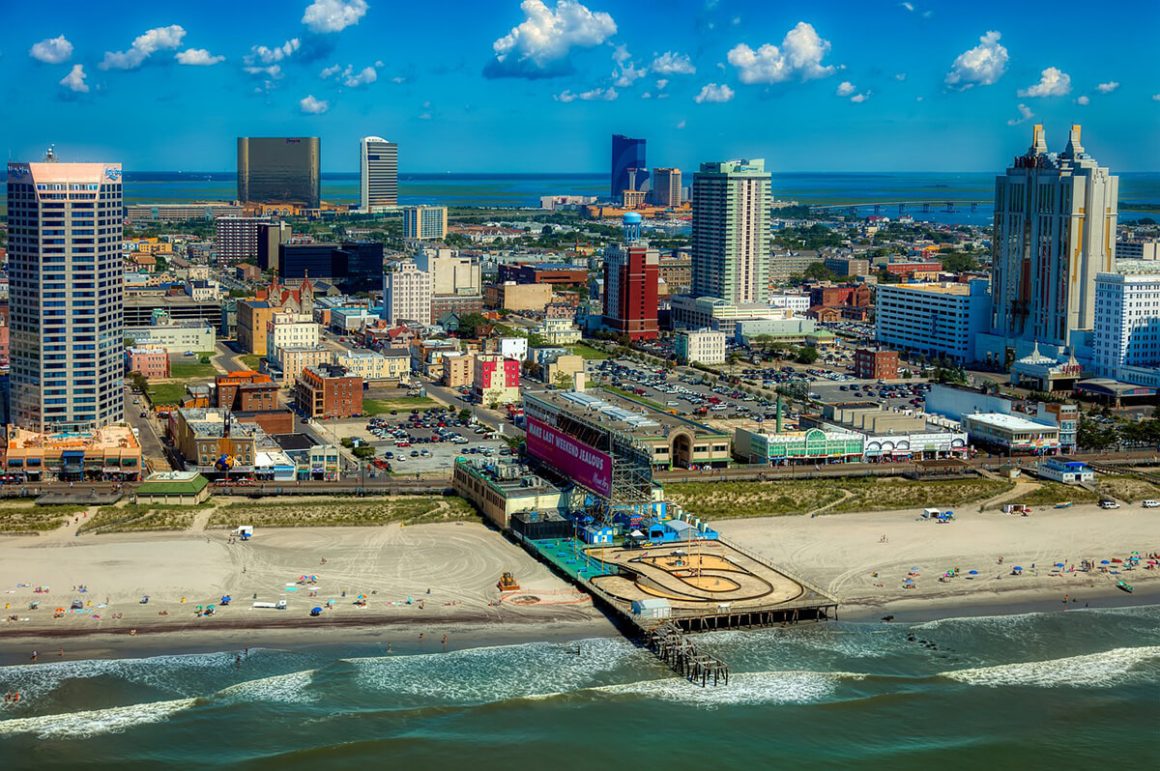
    Atlantic City

    Atlantic City officially became a city in 1854 as a combination of Galloway Township and Egg Harbor Township, and it’s located on Absecon Island. Atlantic City is a coastal resort town and a tourist attraction due to the many beaches and casinos around the city.

    For those that want to know what is the richest city in New Jersey when it comes to the experience it offers – Atlantic City might be the answer. Monopoly fans would certainly find the names of the streets of Atlantic City familiar as the town inspired the U.S. version of the board game. 

    Miss America pageant lovers, on the other hand, already know that Atlantic City has been the host of the contest since 1921. Another interesting fact about this town is that casino gambling has only been legal since 1976.

    Even though thousands of people pass through the town during a year, Atlantic City is not the largest city in New Jersey. Currently, around 37,700 people live there. The city’s crime rate is 54.6 per 1000 people, and residents reported 323 violent and 1,738 property crimes in 2019.

    The median household income is $29,232, while per capita income amounts to $20,380. Over 37% of people live in poverty, and the median gross rent for the town is only $904, while a typical home value amounts to $135,193.

    Final Thoughts

    Whether it’s the safest cities in New Jersey you’re looking for, or the wildest, NJ has an option for everyone. It might not be all that NYC has to offer, but that’s why many people choose New Jersey to visit or to live over the Big Apple. 

    In case you prefer bigger cities with more possibilities, NJ has several resort spots and entertainment districts that can suit any itch for a bigger city vibe. Of course, they come with higher crime rates, but by taking a look at our crime ratings, you can choose the place that’s best and safest for you.

  • Most Effective Tips on How to Protect Personal Information Online in 2024

    Most Effective Tips on How to Protect Personal Information Online in 2024

    Did you know that a cybercriminal attacks every 39 seconds? As most of our everyday activities are connected to the internet, it’s more crucial than ever to learn how to protect personal information online.

    If you want to know how to keep your data safe online, you aren’t alone! 155 million Americans had their data breached in the year 2020 due to accidental data exposure. This means they inadvertently revealed their sensitive information online due to inadequate information on security. Knowledge is power! So take a moment to read our tips on how to protect yourself online, and what to look out for when surfing the web.

    Online Privacy and Security – The Basics

    While they seem to be interchangeable, there are important differences between privacy protection and online security.

    Privacy refers to the proper management of your data for the purpose of preventing misuse, exposure, or uncertified access to your personal information. Privacy protection is your right to decide what personal information about you is accessible by third parties. It involves allowing or blocking browsers from tracking your activity, viewing browser history, and mining data about you in general.

    Security refers to protecting personal information from unauthorized access or exploitation and misuse of your personal data by other people. This involves the detection of things like imposter scams, password and authentication breaches, and identity theft.

    Essentially, security refers to the prevention of exploitation from other people, while privacy refers to your ability to grant access to your personal information. Both of these types of protection play equally important, but different roles in keeping you safe online.

    How to Protect Your Privacy Online

    Now that you are familiar with the basics, here are some actual ways to protect yourself online!

    • Use a private browser option
    • Regularly delete your history (including cookies!)
    • Change privacy settings on social media profiles
    • Think about what you share and post online

    Use a Private Browser

    Online privacy protection has to do with the information that we willingly (or not) give out to third parties when we use the internet. This can include our name, address, location, family status, place of employment, etc. But there is more to how to protect personal information online than just what we actively share.

    Information can be gathered about us based on the kinds of websites that we frequent and what we do there. This type of information is tracked using cookies. Knowing how to track and manage the cookies that are dropped on your computer is an integral part of privacy protection online. Cookies can make your online experience much easier by filling out forms and personal info quicker (you know, that convenient auto-fill option).

    Consider that if you want to know how to protect your privacy online, that a webpage which knows your full name, phone number and email address to fill out a form for you, it also can sell that information to third parties (ever wonder where all those spammers got your info?). It seems like it has been done without your permission, but actually, you allowed the cookie.

    A few ways to protect yourself from cookies are to use a private browser window, regularly delete your browsing history, and say no to unnecessary cookie requests!

    Change Privacy Settings on All Social Media Profiles

    An important aspect of protecting privacy online is how to protect your personal information on social media. For many people, social media has become a daily experience with most users spending more than two hours every day using these websites.

    Every social media platform allows you to personally configure your privacy options, giving you control to opt in and out of what you share with others. By changing your privacy options to limit who can access your personal information, you take an active role in how to protect your online privacy.

    Think Before You Share

    The online culture of social media has grown exponentially over just a few years. Now over 3.6 billion users globally have access to social media websites, and share everything from significant life events, to vacation photos, to what they ate for breakfast this morning.

    For you, the user, these shares are in the interest of connecting with your network, but many don’t consider the amount of data they are freely releasing every time they post on social media or even how can you protect your online friends from unwanted disclosure of their private information.

    Think about what is in your post before you share, and whether this is information that you would be okay with anyone (including companies and criminals) knowing. Consider removing location pins, pictures that clearly show where you or others are, valuables you have in your house, license plates, phone numbers, or where you work.

    Asking permission before you post and tag photos with other people is a considerate practice, and sharing information about how to change privacy settings can help others take control of their online privacy as well.

    How do I Check to See if Someone is Using my Social Security Number?

    To check the activity of your Social Security Number (SSN), first check your social security statement. This statement allows you to see your recorded earnings based off of your SSN. If someone is using your number for employment fraud, to evade taxes or apply for a loan, it will be evident here. If you do suspect that someone is using your social security number, file a report with the Federal Trade Commission and contact the International Revenue Service to clarify any issues regarding taxes.

    How to Protect Your Identity and Data Online

    Protecting your data and identity online can seem daunting, but there are a few simple steps that can go a long way when it comes to online security.

    • Create complex passwords and change passwords often
    • Only use secured and verified websites
    • Know the warning signs of identity theft and other scams
    • Protect yourself from malware

    Create Complex Passwords and Change Them Often

    Password protection is one of the first lines of defense when it comes to how to keep personal information safe. Using passwords that may be easy to guess, such as birthdays, names or even favorite things can be simple for hacking programs and people to figure out.

    Use different passwords for different sites, utilizing different characters, capitals and numbers, and change your passwords every couple of months in order to keep them secured.

    Only Visit Secured and Verified Websites

    Knowing strategies of how to protect your data online is usually easier than it seems. By only using secured and verified websites you decrease your chance of contracting a computer virus, or having your identity and personal information stolen. In order to check if a website is secured, inspect the web address at the top of the screen.

    Secured websites begin with “https”, while unsecured websites simply have “http” without the ‘s.’ To take out the extra step of checking every single URL that you visit, use the blacklist feature in your browser to block all websites that are only “http”.

    A second indicator of a secure website that will add to your personal information safety is the lock symbol right before the URL. This symbol indicates that the webpage is encrypted, an added layer of security performed by the owner to prevent third parties from mining data from the page.

    Know the Warning Signs

    As fraudulent activities online are constantly evolving, it’s increasingly important to know how to protect personal information online by being able to spot common signs of internet scams and intrusions such as:

    • Being contacted randomly by someone whom you don’t know asking you to do something (usually send money)
    • Messages that appear to look like verified sources, but upon closer look URL names are strange, and have unusual characters or are very long
    • Messages that have a sense of urgency and request money or personal information

    Protect Yourself From Malware

    Since new malware is released every 7 seconds, one of the easiest ways to protect your information and digital life is by installing antivirus software on your computer.

    Malicious software, aka malware are computer viruses or other programs designed to hack into your computer, causing disruption of basic functioning, and often intended to seek out personal and financial information.

    This software will detect and protect your information if malware does happen to make it onto your computer. Other ways you can help protect against malware are:

    • Being cautious downloading free software from the internet
    • Avoid clicking on pop ups asking you to download files
    • Keep your computer software up to date
    • Inspect links for strange names or characters before clicking on them

    Where Could an Identity Theft Access Your Personal Information?

    Identity theft is any kind of unauthorized use of your personal information to commit identity fraud, such as applying for credit cards, loans or evading taxes. As more and more of our lives occur online, identity theft is a major concern.

    Identity thieves can access your personal information through hacking your email or by using malware to mine your personal computer.

    The most common place that personal information is retrieved is through social media accounts, making it even more important to care about what you share and be careful about using unsecured WiFi connections.

    What Steps Can You Take to Secure Your Private Information?

    Here are some simple steps you can take if you want to keep your information secure:

    • Don’t click on any suspicious links or attachments you receive on social media or via email
    • Never fill out unofficial forms that request your personal information
    • Always use complex passwords that contain the combination of numbers, symbols, upper and lower-case letters
    • Don’t use the same password for different accounts
    • Change your passwords often
    • Be careful of what you share on social media

    How to Keep Your Personal Information Safe Online – Recap

    Protecting your personal information online is an ongoing process of remaining informed about why is cybersecurity important and aware of your own activity on the internet.

    By staying vigilant about your privacy restrictions on regular web pages like banking sites, social media accounts, and the settings in your browser history, you take an active role in keeping your personal information safe online.

    Creating your own secure passwords and regularly updating them, installing anti-virus software, and staying alert to potential scammers or suspicious links and sites are crucial tasks that help keep your data and identity private.

    It can be hard not to worry about how to protect personal information online as our lives continue to integrate more and more into this digital world. Using the right tools, being conscious of what you share on social media, and being cautious about what you do on an unsecured WiFi connection, are ways that you can protect your information and safely use the internet.

  • Learn More About American Family Home Insurance in 2024

    Learn More About American Family Home Insurance in 2024

    Our verdict: American Family provides comprehensive coverage, excellent discounts, and a variety of property insurance policies at the best possible price.

    American Family was founded in 1920 with the vision to become the most trusted insurance company on the market. In 2017, it installed Wisconsin’s largest rooftop solar array on its headquarters, which shows that it cares about sustainability. 

    The company is a direct provider of American Family home insurance and other policies, focused on giving back to its customers and communities. It’s the fourth-largest Wisconsin-based company with over 10,000 employees and 3,000 agents and is featured on the Fortune 500 list.

    Keep reading to learn more about the various property insurance policies and their features and see how the price rates and customer service compare to other popular providers. 

    American Family Home Insurance Pros and Cons 

    Each insurance company has specifics that separate it from its competition. This list of the main advantages and disadvantages of American Family will help you decide whether it is the right choice.

    Pros

    • Easy-to-use website
    • Variety of coverage options and add-ons
    • A long list of discounts 
    • 24/7 claims support
    • Good mobile app 
    • Available local agents

    Cons

    • Not available nationwide
    • You can’t purchase a policy online without talking to an agent

    American Family Homeowners Insurance Overview 

    American Family has an easy-to-use website, so you won’t have issues finding any information about its home insurance policy. In addition, you’ll enjoy a home insurance calculator, access to personalized assistance, and a checklist that will help you prepare for the purchase. 

    When it comes to coverage, the standard policy is similar to many offers on the market. It protects the dwelling, detached structures, and personal items from various perils and further includes liability and other features. It comes with customizable options, like equipment breakdown coverage. 

    Features 

    Let’s take a look at the features of American Family home insurance and other property-related policies. 

    Home

    The standard home coverage includes the following: 

    • Fire and smoke 
    • Tornados and hail
    • Weight of ice damage
    • Leaking roof
    • Lightning 
    • Theft, vandalism, or riots
    • Wildfire
    • Frozen interior plumbing 
    • Power surges 

    The policy protects your dwelling, other detached structures like garages, swimming pools, or gazebos, and your personal belongings. You’ll also enjoy temporary living expenses coverage that will help you pay for your hotel and food if your home becomes uninhabitable. 

    American Family home insurance coverage includes liability protection against lawsuits and claims. Additionally, the policy can be customized to expand coverage. 

    The equipment breakdown is an additional feature that protects you in case your appliances, home systems, or smart home devices get broken. It covers: 

    • Refrigerators, ovens, and stoves
    • Washers and dryers 
    • Computers
    • Well pumps
    • Garden tractors, etc.

    The sump pump and water add-on covers the cost of repairs if the equipment malfunctions and causes damage to your property. American Family home insurance has another add-on that covers hidden water damage if leaks happen within the plumbing systems. 

    Matching siding protection will help you replace the damaged sections of siding in the case of a covered loss. The following items are not covered by this policy: 

    • Maintenance
    • Normal wear and tear
    • Floods
    • Earthquakes 

    Renters

    If you’re renting an apartment, house, or condo, chances are you need insurance that will protect your personal belongings. This type of American Family house insurance also includes liability and additional living expenses if your rental becomes uninhabitable. 

    Renters insurance protects your furniture, clothing, electronics, and similar, and it includes medical bills. It secures all the items inside your rental unit, while your landlord’s insurance covers the home structure. 

    Condo

    If you own a condo, your association probably has a master policy that doesn’t insure the items inside your unit. That is why you should consider purchasing condo insurance. Such American Family home insurance will keep your belongings protected in case of: 

    • Fire 
    • Theft
    • Water damage from plumbing
    • Power surges 

    It also covers temporary living expenses, liability, collapsing building, debris removal, emergency removal of property, mold, bacteria, inflation, and more. You can customize your condo insurance with the following add-ons: 

    • Property coverage for possessions
    • Sump pump failure and water backup
    • Additional liability
    • Hidden water damage protection 

    Manufactured Home

    Not many companies offer manufactured home coverage, but American Family has mobile home insurance that includes the following: 

    • Matching siding — helps you match the siding of your home if it has been partially damaged;
    • Other structures — your agent can help you insure other structures like a shed;
    • Trip collision coverage — covers any damage that can happen to your home while you’re moving; 
    • Hidden water damage coverage — covers the damage caused by unexpected water leaks. 

    Farm and Ranch

    The American Family homeowners insurance coverage for farms and ranches includes:

    • Dwelling 
    • Farm personal coverage 
    • Fair rental value 
    • Farm liability 
    • Farm outbuilding 
    • Additional living expenses 

    It also comes with great add-ons that help you personalize your policy, such as: 

    • Farm equipment breakdown
    • Farm income coverage
    • Replacement cost coverage for irrigation systems
    • Additional farm and ranch property coverage
    • Supplementary coverage 
    • Other types of coverage 

    Landlord

    American Family can provide you with a landlord policy that covers your building, general liability, medical expenses, and more. You’ll also enjoy the Landlord Toolbox that gives you access to:

    • Tips on how to promote your rentals
    • Application and tenant screening
    • Managing move-outs
    • Property maintenance tips
    • Info on laws and your duties 

    Mobile App

    American Family insurance app has numerous features to help you manage your policies, documents, and payments. With this app, you can: 

    • Access proof of insurance 
    • Set up autopay
    • Make changes to your policy
    • File claims
    • Find an auto repair shop

    User reviews are mixed, but the overall score of 4.3 shows that most are satisfied with the app. However, it’s geared primarily towards auto policyholders, and it’s not optimized for home insurance management. 

    Flood 

    Like many other insurers, American Family offers flood insurance through the National Flood Insurance Program. You don’t necessarily have to obtain such coverage. However, consider that floods can happen anywhere, and the average insurance claim is $39,000. 

    With NFIP and American Family, you can enjoy flood insurance coverage that includes: 

    • Your home and foundations
    • Clothes, furniture, and electronics
    • Electrical and plumbing 
    • AC and heating
    • Appliances 
    • Installed carpeting, paneling, and other items

    Earthquake

    Unfortunately, some locations are more prone to earthquakes than others. If you live in such a state, chances are you’ll need mandatory coverage. 

    You can always add American Family earthquake insurance to your standard policy and enhance the coverage. It can be added to a home, condo, and rental property insurance and protects:

    • The dwelling and other structures
    • Fences, driveways, sidewalks
    • Construction materials on-premises
    • Personal property, and more

    This policy comes with a special deductible. Contact your agent to receive detailed information. 

    Financial Strength

    According to the company’s 2020 report and 2021 American Family insurance ratings for its financial strength, the outlook is positive. A.M. Best ranks it with an A for 19 consecutive years. American Family also has an affirmed credit rating of A+. 

    Fitch ratings affirmed the A+ financial strength rating, and S&P assigned it an A. American Family has 10.6 billion in customer equity and almost $13 million in revenue for 2020. Based on that, you won’t have issues with your claims. 

    American Family Insurance Customer Service 

    There are several ways to contact American Family customer service. You can call the number on the official website, send an email, or go to a live chat with a representative. The last feature is available Monday to Friday, from 8 AM to 8 PM CST. 

    In its 2020 Home Insurance Study for overall customer satisfaction, J.D. Power ranks American Family just below the segment average, with a score of 821/1,000. That indicates there’s room for improvement. However, the customers seem to be happy with the service they received. 

    • NerdWallet — 4.5
    • Clearsurance — 4
    • Consumeraffairs — 4 
    • Valuepenguin — 80%

    American Family Home Insurance Quote  

    Your insurance quote is determined by several factors —  the location and age of your home, preferred add-ons, and the coverage you need to include in your policy. Depending on your state, you might have to purchase additional coverage, which can increase your premium. 

    The average home insurance quote is usually calculated for the $250,000-worth dwelling. In the case of American Family, the annual cost is about $980. 

    Still, only the insurance agent can tell you the exact price of your home policy, especially since American Family offers great discounts to help you save. 

    American Family Insurance Discounts 

    Below you can find all available discounts that you might qualify for. 

    Smart Home

    If you have installed any kind of smart device that can increase the security of your home, like burglar alarms or smoke detectors, you can qualify for this discount. 

    Bundle

    Combining two policies together is a standard way of saving on your insurance. For example, with American Family, you can bundle your auto and home policies and save up to 29% of the total cost. 

    Age of Home

    Newer homes usually have fewer claims, so if your home is newer than 15 years, chances are you could qualify for this discount and lower your American Family home insurance quote even more. 

    Loyalty 

    If you’ve been a loyal member of the American Family for many years, you might be eligible for a lower premium. 

    Generational 

    If you’re between 18 and 30 and your parents have active auto or home insurance with American Family, you could receive a discount. 

    Renovated Home

    If you’ve completely replaced plumbing, electrical, or heating systems in the last 15 years, ask your agent about this deal and save on your American Family insurance quote. 

    AutoPay, Full Pay, Paperless Billing

    Your payment habits can be another way to save. If you receive your bills electronically, set up auto payment, or pay your bills in full, you can qualify for a discount. 

    Diminishing Deductible

    If you haven’t filed claims, you can enjoy a $100 diminished deductible for each claim-free year. 

    No Claims

    If you went five years without filing a claim, you’d receive an additional discount. 

    New Home — for Manufactured Homes

    If your manufactured home is less than four years old, you could be eligible for this discount. 

    American Family Home Insurance Rates Comparison 

    The price of your homeowners policy plays a crucial role in the choice of a provider. Here’s the rates comparison to help you decide. 

    American Family vs. Esurance 

    The average homeowners policy with American Family costs about $980 each year. That is way lower than the national average of $1,600. With Esurance, your annual premium will be about $3,670, which is too expensive in comparison. 

    Regardless of the coverage options and discounts, we believe that Esurance can’t beat American Family home insurance cost.

    American Family vs. The Hartford 

    According to some estimates, the annual premium with The Hartford is about $1,076 for a $250,000-worth dwelling. The company also has a solid list of available discounts to help you save on your home insurance policies. 

    The Hartford, however, offers its service only to the members of AARP, so you’ll have to join and pay an additional $16 fee. 

    Overall Competition Comparison

    Let’s see how American Family compares to three other famous insurers when it comes to customer satisfaction, policy availability, and financial strength.

    American Family Insurance vs. State Farm

    State Farm is a well-known US insurer with an A++ rank from A.M. Best and an A from S&P. It’s a financially strong company that you should feel safe with. These ratings are similar to American Family’s ratings, and both companies are financially solid. 

    J.D. Power ranks State Farm with 829/1,000 in its 2020 Home Insurance Study for customer support satisfaction, meaning it provides good customer support and policyholders are usually happy with the service. 

    State Farm’s policies are available in all states besides New York, Massachusetts, and Wisconsin, so it serves more customers than American Family.  

    Progressive vs. American Family 

    A.M. Best ranks Progressive with an A+, and S&P gives it an AA grade, indicating financial stability and the ability to meet insurance obligations. According to Moody’s, it also has low credit risk. 

    Regarding customer satisfaction, J.D. Power ranks Progressive with a 797/1,000 score in its 2020 Home Insurance Study, showing the company could definitely improve its customer service. American Family homeowners insurance reviews are better in that regard.

    Progressive insurance is available in all 50 states and is a good alternative if you live in a location where American Family is not available. 

    Nationwide vs. American Family

    A.M. Best and S&P give Nationwide an A+ rating for financial strength, and it is a Fortune 500 company. Therefore, you shouldn’t experience any difficulties with claims and payments. Furthermore, Nationwide offers policies in most states, while American Family serves less than 20 states.

    In its 2020 Home Insurance Study, J.D. Power ranks American family homeowners insurance with a score of 821/1,000, while Nationwide has an 808/1,000. That indicates American Family offers better customer support service than Nationwide. 

    Expert Thoughts 

    American Family has a long history and insurance expertise. Its policies are affordable and suitable for both new and experienced customers. It provides wide coverage options and excellent add-ons that can expand the American Family home insurance even further.  

    Its mobile app also has high ratings, and the website is packed with details about each insurance policy. You’ll enjoy 24/7 support and the service of local agents. The biggest drawback is that it’s available in only 17 states. 

    American Family is an excellent choice for home insurance, especially due to the variety of discounts it provides to help you save even more. 

    People Also Ask

    American Family is a well-known US insurance company. It has over 10,000 employees and 3,000 agents in 17 states. It is a Fortune 500 company with excellent financial strength ratings indicating the ability to pay out claims. 

    It provides multiple types of property-related insurance policies, including home, renters, and condo. While customer support could improve, you’ll still enjoy good service, reliable coverage, and customizable options for a low price.

    American Family offers auto, property, and business insurance and added protection. The home insurance policy has excellent coverage options, good customization features, and a long list of discounts. 

    You can purchase other insurance policies, like renters, landlords, or condo. American Family can also help you insure your farm or ranch. Talk to your agent to find the best coverage for your needs.

    The standard home insurance policy from American Family covers the most common issues you could face — fire and smoke, tornados, the weight of ice damage, theft, vandalism, power surges, and more. 

    The policy covers your dwelling, detached structures, personal belongings, living expenses, and liability. There are also add-ons that you can use to personalize your insurance. They include equipment breakdown and sump pump water damage insurance. 

    Unfortunately, you won’t be insured against floods or earthquakes, but you can purchase those policies separately.

    Many factors affect your monthly premium — your location, home age, claim history, deductibles, and coverage type. You can also lower your home insurance cost with various discounts. 

    American Family property policy costs about $980 per year for the $250,000-worth dwelling, which is significantly below the national average. However, if you need mandatory flood insurance, you’ll probably pay a bit more.

    American Family offers equipment breakdown coverage as an add-on. It protects your most expensive appliances, home systems, or smart home devices against mechanical, electrical, or pressure systems breakdown. 

    The add-on further includes refrigerators, ovens, stoves, heating and cooling units, well pumps, garden tractors, and more. Its price starts at $30 per year for standard and manufactured homes and $20 for condo and rentals. 

    However, it doesn’t protect your appliances from normal wear and tear.

    Older homes usually cost more to insure and have a history of claims. Such houses are also made with less resistant to fire and water damage materials than new homes. In addition, they may come with rodents and various other issues. 

    Still, American Family agents can work with you to help you insure your older home. The main difference can be that you won’t be eligible for one of the discounts if your home is older than 15 years.

    Most homeowners policies cover water damage if it has happened accidentally and suddenly. If any unexpected event occurs and your appliances or plumbing fails, you’ll likely be able to file a claim and be reimbursed. 

    However, based on how the damage occurred, the insurance might also be limited. For example, if the reason is poor maintenance or lack thereof, or regular wear and tear, you won’t be paid for your claim.

    Regardless, you’ll be able to protect your dwelling and personal property with the comprehensive coverage  American Family home insurance offers.

  • Mercury Home Insurance Review

    Mercury Home Insurance Review

    Our verdict: Mercury offers comprehensive coverage, excellent add-ons, and good customer support. If it is available in your state, you’ll enjoy an affordable and reliable insurance policy. 

    Mercury was founded in 1961 to provide consumers with affordable and high-quality insurance products along with top-notch customer service. In 1972 Mercury home insurance was introduced to the market, and ever since, the company has been expanding. 

    Forbes named it one of the most trustworthy companies in 2013 and 2016. Mercury offers comprehensive coverage options and various insurance policies. In addition, it has a Special Investigation Unit, which cooperates with local and federal law enforcement to fight frauds and scams. 

    Mercury has over 4,000 employees, 9,400 independent agents, and $5.9 billion in total assets. Keep reading to learn more about its home insurance coverage, and see if Mercury will fulfill your needs. 

    Mercury Home Insurance Pros and Cons 

    Each insurance company is different, and you can expect various kinds of service quality and products. Our list of Mercury’s strong and weak sides can help you decide whether it is the best fit for you.

    Pros

    • Easy-to-use website
    • Well-explained coverage 
    • Multiple coverage options 
    • Affordable policies
    • Over 50 years of industry experience 
    • Offers water leak detection service

    Cons

    • Available in only 11 states 
    • Customer service could improve

    Mercury Homeowners Insurance Overview 

    If you’re looking for comprehensive home insurance, Mercury has you covered. Its homeowners policy includes standard coverage, like dwelling, personal property, and liability, but it also comes with extended replacement cost, guest medical protection, and a few other unique features. 

    You can also purchase extended coverage for valuables. However, Mercury’s offers vary by state. Its policies are available in 11 states via different insurers for each one. Keep in mind that not all discounts and services are available in all areas. 

    Features 

    Below we’ll explore the essential features of Mercury home insurance and related property policies. 

    Homeowners

    You should consider insuring your home together with the items inside. If you decide to go with Mercury, you’ll have a dedicated agent who will help you create the best policy. The standard insurance covers the dwelling in case of: 

    • Fire
    • Lightning
    • Smoke
    • Storm damage and similar perils

    The personal property feature protects your household items in the event of fire, theft, or other covered loss. 

    Mercury home insurance coverage also includes extended replacement cost, which is additional coverage of up to 150% of the dwelling policy limits that serves to rebuild your home. The additional living expenses help you pay for hotel or rent if your home becomes uninhabitable. 

    Personal liability protection is essential in case you damage someone else’s property or cause bodily injury. Guest medical protection pays expenses if someone accidentally injures themselves on your property. 

    The ID theft protection add-on helps you pay for costs caused by criminal identity theft. Mercury home insurance has three more add-ons to customize your homeowners, renters, or condo policy: 

    • Home Systems Protection — extra coverage for your appliances and electronics
    • Service Line Protection — covers damage to the exterior underground service lines
    • Home Cyber Protection — protects against compromised data

    Condo

    If you own a condo, your association probably has a master policy that covers the shared areas of the building. However, it doesn’t extend to the inside of your unit and the items you own. The condo insurance policy will provide specific coverage, including: 

    • Personal property
    • Improvements
    • Loss assessment 
    • Additional living expenses
    • Personal liability
    • Guest medical
    • Workers’ comp coverage
    • Condos rented to others

    Renters

    This Mercury home insurance is the best option to choose if you live in a rented apartment. It covers your belongings, pays medical expenses, and has other features, such as: 

    • Personal property coverage
    • Personal liability protection
    • Guest medical protection
    • Workers’ comp coverage  

    Keep in mind that this coverage is different in each state, and you should consult with your agent about what’s available to you.  

    Landlord

    Mercury house insurance for landlords covers: 

    • Dwelling and other structures
    • Additional replacement cost
    • Personal property
    • Fair rental value and loss assessment
    • Premises liability
    • Medical payments and personal injury
    • Service line protection 
    • Home systems protection 

    Know that this insurance doesn’t include regular maintenance, wear and tear, or your tenant’s personal items. 

    Earthquake Insurance

    If you live in a state that is high risk for earthquakes, you will likely be required to purchase the appropriate insurance. Know that your standard home policy won’t protect you against this peril. That is why Mercury offers earthquake insurance.

    The policy is designed to help you repair or rebuild your home. Even though it covers some contents, it won’t insure and replace all items. If you live in California, you can purchase this insurance via your local independent Mercury agent. 

    Flood Insurance

    Standard homeowners insurance doesn’t include flood coverage, which is why you’ll have to purchase it via the National Flood Insurance Program. Luckily, you can get Mercury flood insurance to protect your home and belongings.

    This insurance is optional for most homeowners but required if you live in a flood-prone area. Keep in mind that this policy usually takes 30 days to become effective, so make sure to purchase it on time. 

    Leak Detection Services

    Mercury Insurance provides the best protection against the leading cause of damage — water leaks. The damage could be so severe that you might have to move out while it’s being fixed. 

    Luckily, with Mercury insurance for water damage and smart home water detection products, you’ll have an additional layer of security.

    Mercury partners with the leading providers of smart water loss prevention — Flo by Moen and Flume. If you decide to purchase this service, you’ll also save money on the home insurance policy and water bills. 

    Mobile App

    Mercury offers a mobile app you can use to manage your home and auto insurance. For example, you can access digital ID cards, pay your bills, or get roadside assistance. You can also see all the necessary information about your policies. 

    Via the Mercury insurance app, you can also set up paperless options and receive your bills online. For extra security, the app supports biometric login.

    The latest customer reviews are mixed — some users complained that they couldn’t use the app at all, while others stated they had great service. 

    Financial Strength

    When it comes to Mercury’s financial strength, the company has earned high ratings. A.M. Best and Fitch gave it an A, and Forbes recognized it as one of the best midsize employers in the US.

    Mercury has total assets of over $5.9 billion, which attest to the company’s financial stability. Based on these ratings, you won’t have issues filing your claims and receiving payment. 

    Mercury Insurance Customer Service 

    If you wish to contact Mercury customer service, you can do so via the phone numbers or email listed on the “Contact Us” page. It doesn’t offer support via chat or social media accounts.

    We recommend you reach out to your agent, instead of the company directly, regarding policy changes. 

    The customer support reviews are mixed for both auto and home insurance. Some customers had faced issues with their claims, while others were satisfied with the service. Still, J.D. Power didn’t rank it in its 2020 Home Insurance Study for customer satisfaction. 

    • NerdWallet — 3.5
    • WalletHub — 2.2
    • Clearsurance — 3.7
    • Valuepenguin — 60%

    Mercury Home Insurance Quote 

    The primary factors affecting your premium are your location, type of coverage, home age, and discounts you qualify for. You can use the online quoting tool on Mercury’s website or find an agent to discuss the rates.

    The home insurance is usually calculated for $250,000 to $300,000-worth dwelling. In Mercury’s case, the average monthly premium is about $89. The company also offers a solid list of discounts to help you lower the prices even more. 

    Mercury Insurance Discounts 

    Let’s explore Mercury discount options for homeowners, renters, and other property insurance policies. 

    Multi-policy

    That is a standard way of saving money by combining two or more policies with the same insurer. Mercury offers deals for auto, home, renters, landlord, or condo bundles. 

    Protective Devices

    If your home has any protective devices, like sprinklers, or fire alarms, you might be eligible for this discount. 

    Fire-resistant Materials

    If you’ve built your home with fire-resistant construction materials, see if you qualify for this deal. 

    New Home

    The newer home you own, the bigger the discount you might receive on your Mercury home insurance quote. 

    Gated Community

    If you live in a gated community, check with your agent to see if you’re eligible for this offer. 

    Higher Deductible

    If you select a higher deductible, that means you’ll pay less for your monthly premium. 

    Loss Free 

    You might be eligible for this offer if you have no history of claims. This discount is available with several insurance policies. 

    Mercury Home Insurance Rate Comparison 

    We’ll compare Mercury’s rates with a few other companies to determine whether Mercury offers affordable insurance policies. 

    Mercury vs. Liberty Mutual

    Like we already mentioned, Mercury charges less than the national average. Its homeowners policies are likely to cost around $90 per month. 

    With Liberty Mutual, the location plays a key role in the cost of your insurance. Overall, its home insurance cost ranges from $87 to $359 and might be higher than the national average. 

    You can lower your Mercury home insurance quotes with many available discounts, and many of them are similar to Liberty Mutual’s deals. 

    Mercury vs. Nationwide

    Nationwide is another insurer that offers excellent prices. Still, your location and other factors can change the cost of your home insurance. 

    Overall, Nationwide is another affordable option, with a premium of about $82 per month for a $200,000-worth dwelling. Both Nationwide and Mercury have similar prices, and it’s up to you to select the company you consider better. 

    Overall Competition Comparison

    Mercury homeowners insurance has limited availability, and that is another essential factor to consider when you consider your option. Let’s see how Mercury compares with Allstate, GEICO, and State Farm. 

    Mercury vs. Allstate 

    Allstate is among the best insurers in the US. It has a large financial balance and paid out close to $2 billion in dividends to its parent companies during 2020. Fitch rates it with an A+ affirmed rating, and A.M. Best assigned it an A rating, just like Mercury’s home insurance rating. 

    Allstate is also ranked high on the J.D. Power 2020 Home Insurance Study with a score of 829/1,000, while Mercury is not listed. That shows that Allstate has a low number of customer complaints compared to the national average. 

    Allstate definitely wins with its policy availability. Mercury offers insurance in only 11 states, while Allstate covers all. 

    Mercury vs. GEICO

    A.M. Best ranks GEICO with an A++ rating, just like S&P. Moody’s and Fitch ratings are Aa and AA-, respectively. The company has over $32 billion in assets, meaning it’s financially stable and will likely remain so in the future.  

    Neither GEICO nor Mercury is listed in J.D. Power’s 2020 Home Insurance Study for overall customer support rating. Still, GEICO offers a better online experience with its chatbot feature. Kanbay Research Institute rated it as the best insurer for its customer support. 

    Since GEICO offers its policies via a network of other insurance companies, it covers more states than Mercury. 

    State Farm vs. Mercury home insurance

    According to State Farm’s financial strength report, A.M. Best gives it an A++, and S&P an AA rating. It has been financially strong for almost 100 years, and you won’t have issues with your claims. 

    When it comes to customer support, in its 2020 Home Insurance Study, J.D. Power ranked State Farm with 829/1,000. Customers are satisfied with State Farm’s support, and its website has enough information to answer any standard questions. 

    State Farm offers its policies in all states except New York, Wisconsin, and Massachusetts and covers a wider area than Mercury Insurance.

    Expert Thoughts

    Mercury home insurance is affordable, with excellent coverage options, add-ons, and good customer service. The company is also financially solid, with good ratings from A.M. Best and Fitch. Currently, it has over $5.9 billion in assets.

    If you decide to go with Mercury, you’ll also have access to a good list of discounts. Unfortunately, even though customers are satisfied with the home insurance, J.D. Power didn’t place Mercury in its 2020 Home Insurance Study of customer satisfaction. 

    Mercury has about 50 years of experience in the industry, and we believe it’s a good insurer to select if you’re looking for a home policy. Still, you can get it in only 11 states. 

    People Also Ask

    Mercury was founded in 1961 and began offering home insurance in 1972. Since then, the company has expanded and earned numerous awards and recognitions. Today, Mercury’s policies have comprehensive coverage and add-ons that help you customize your insurance. 

    The customer reviews are mixed, although there are predominantly positive. The company is financially stable, so you shouldn’t have issues with your claims. Mercury Insurance is also affordable. Unfortunately, it’s available in only 11 states.

    When it comes to financial strength ratings, A.M. Best and Fitch gave Mercury an A rank, which shows it’s a financially solid company with no problem paying out claims. Still, the customer satisfaction ratings are slightly mixed. 

    Although there are more positive reviews than negative ones, J.D. Power still didn’t list Mercury in its 2020 Home Insurance Study. That is why we think Mercury can offer better service in the future and correct these ranks.

    Mercury General Corporation owns Mercury Insurance. It is the leading independent agency, provider of auto and home insurance policies. It’s ranked as the sixth-largest auto insurer in California. 

    Mercury General Corporation has numerous insurance and non-insurance subsidiaries. Altogether, Mercury Insurance is financially stable, and its policies are available in 11 states. It has over 4,400 employees and over 9,400 independent agents ready to help.

    If you purchase home insurance from Mercury, you’ll enjoy comprehensive coverage with great options to expand it beyond your home and belongings. The standard policy covers the dwelling and other structures, personal property, liability, and similar. 

    Your roof will be insured if the covered perils cause damage. Still, roof leaks that resulted from the lack of maintenance or normal wear and tear won’t be covered.

    The standard Mercury insurance policy covers the dwelling and includes the cost to repair your home, your personal belongings, and liability, which protects you if you cause injury or damage to another person.

    You’ll also have guest medical insurance, extended replacement cost, additional living expenses coverage, and other structures coverage. The optional add-ons include ID theft, Home Systems, and Home Cyber protection features. Floods, earthquakes, and landslides require separate policies.

    Each home insurance policy has specific perils named in it that you’ll be covered for. The common ones include fire and smoke damage, weather-related hazards, theft, vandalism, damage from civil disturbances, snow or ice, explosions, and similar.

    If the mold results from the named peril, like the water leak from internal sources, chances are it will be covered. The best way to know whether your policy will cover the mold is to ask your agent to explain all the coverage options in your Mercury home insurance.

  • Safeco Home Insurance 2024 Review

    Safeco Home Insurance 2024 Review

    Our verdict: Safeco is a Liberty Mutual company that offers excellent coverage across the US. You’ll enjoy affordable customization options and damage assessment via video call to speed things up. 

    Safeco was founded in 1923, and today it’s a Liberty Mutual company and belongs among the largest insurers in the US. Safeco home insurance is sold through a network of independent agents and other underwriting companies like America First Insurance Company, Liberty Mutual, West American Insurance Company, and others. 

    With Safeco, you can file your claims online or over the phone and get 24/7 assistance. Its RealTime Review system helps you get damage assessment via video call. Keep reading to find out more about the property insurance policies you can purchase at Safeco. 

    Safeco Home Insurance Pros and Cons 

    There are many things to consider when selecting an insurance company. Some have better customer support, while others offer more discounts. Our list of Safeco’s strong and weak sides can help you decide if it is the best option for you.

    Pros

    • Comprehensive coverage options
    • Easy claims process
    • Variety of insurance products
    • Affordable add-ons
    • Damage assessment via video call
    • Available in most states

    Cons

    • High insurance premiums
    • Below-average customer service rating

    Safeco Homeowners Insurance Overview 

    Safeco is known for its great home insurance coverage. You can customize the standard and optional policies to fit your needs and budget. The best way to determine the level of coverage you need is to discuss it with a licensed agent. 

    With Safeco, you’ll also have access to a Home Warranty feature. The company partnered with American Home Shield to provide a service that covers usual wear and tear. Furthermore, Safeco insurance is available in 48 states.

    Features 

    Let’s explore the features of Safeco home insurance and other property-related insurance policies. 

    Homeowners

    Safeco’s website is packed with detailed information about its homeowners policies, so you won’t have any issues finding out the essentials. The coverage is divided into a standard and an optional type. 

    The standard policy includes personal property and liability, so you’ll be covered if you cause damage to others. The insurance protects your dwelling from named perils, such as fire, hail, theft, vandalism, and others. 

    Finally, the standard Safeco home insurance coverage has a personal property replacement cost, and it will pay the actual cash value for items listed in the contract. The list of add-ons to customize your policy includes: 

    • Valuable articles coverage — protection for high-valued items
    • Equipment breakdown — secures household equipment 
    • Service line — related to potentially waived deductibles 
    • Extended dwelling coverage — increases policy limits
    • Identity recovery —helps restore your identity after a theft 
    • Guaranteed repair network — connects you with experts for estimates and repairs 

    Renters

    Your landlord likely has an insurance policy that protects the home you live in. However, you should have a policy that protects you and the things you own inside those walls. The standard renters Safeco home insurance coverages include: 

    • Personal property coverage
    • Liability
    • Additional living expenses 

    The policy add-ons include: 

    • Valuable articles coverage 
    • Personal property replacement cost coverage 
    • ID theft recovery 

    Condo

    Condo insurance can protect the items in your unit, yourself, and your family members. It also has a standard and optional coverage, and the standard one includes: 

    • Personal property
    • Liability
    • Dwelling
    • Additional living expenses 

    The available Safeco condo insurance add-ons are: 

    • Valuable articles coverage
    • Personal property replacement cost coverage
    • Identity recovery 

    Landlords

    You should consider purchasing landlords insurance, as it offers slightly different coverage than the classic home insurance policy, such as:

    • Extended dwelling — up to 25% more protection 
    • Premises liability — protection against libel, slander, wrongful eviction, and similar
    • Wind and hail — insures the windows on your property 
    • Fair rental value — covers the rent lost due to repairs 

    This type of Safeco homeowners insurance also comes with customizable options: 

    • Inflation protection — coverage for a loss in a time of inflation
    • Additional valuable coverage loss — water backup and sump coverage, theft of personal property, and similar 
    • Limited Liability Company coverage — a great option if you establish an LLC for rental properties 

    Home Warranty

    The Home Warranty option can relieve you of the hassle of making repairs. Safeco partnered with American Home Shield and provides 24/7 service of 17,000 licensed contractors who can repair your AC, fridge, and other appliances. 

    Know that this is a standalone product, and you don’t have to purchase any insurance to get it. 

    Flood

    Safeco offers flood insurance through the National Flood Insurance Program as a separate policy. The cost varies by state, and landlords or the state may require that you purchase it. 

    If you live in Florida, you might also have access to private flood insurance companies. However, floods don’t happen only in coastal areas, and you should consider such a policy, regardless of where you live. 

    Earthquake 

    Safeco provides earthquake insurance aimed at rebuilding your home and other properties if needed. The policy is available for residential properties, comes with a few discounts, and covers the following items: 

    • Personal belongings 
    • Appliances and furniture 
    • Injury
    • Debris removal and similar 

    Mobile App

    Safeco also has a great mobile app that’s available for Android and iOS. It provides seamless login, the option to contact your agent, and access all your information in one place. 

    You can use the Safeco insurance app to pay your bills, review current policies, receive notifications about the documents you need to sign, and more. 

    This app is great for auto policyholders since you can use it for roadside assistance, upload pictures of the damage, and search for auto repair shops. The recent reviews show that a couple of users had issues with a blank screen. Regardless, the app is generally well-rated. 

    Financial Strength

    When it comes to Safeco home insurance reviews of its financial strength, A.M. Best ranks it with an A (Excellent) rating. Moody’s assigned it an A2 rating, and S&P gave it an A- (Strong).

    Since Safeco is backed by Liberty Mutual, which is a Fortune 100 company, there’s no reason to expect issues with your claims. These financial ratings are solid, and Safeco has a stable outlook.

    Customer Service

    Safeco’s website has a dedicated section where you can find how to contact customer support. You can also read the blog about Safeco homeowners insurance and explore other resources. However, you’ll have to log in to access customer support. 

    Unfortunately, recent customer reviews are poor — primarily about billing issues and lack of customer support. In its 2020 Home Insurance Study, J.D. Power ranks Safeco with 802/1,000, which is below the average. 

    If you face issues, we advise you to remain persistent in your efforts with customer representatives.

    • Nerdwallet – 4
    • Consumeraffairs – 3.1
    • WalletHub – 2.3
    • Clearsurance – 4.04

    Safeco Home Insurance Quote 

    Before you consider purchasing a home insurance policy, you should factor in your location, home age, and the type of coverage you need. All that, together with the deductible and selected add-ons, will affect the final cost of your insurance policy. 

    Safeco offers relatively affordable premiums. Estimations show that for a dwelling worth $250,000, the annual cost is about $1,841, which is about $150 per month. This price is higher than the national average. Still, Safeco offers many discounts to help you save. 

    Safeco Insurance Discounts

    We’ll list and explain all available discounts for property-related insurance policies. 

    Safeco Package

    This discount is available if you combine homeowners and auto policies. 

    Protective Devices

    If your home has an alarm, fire, or smoke system, you can apply for this deal. 

    Advanced Quote

    You could save money if you get your quote in advance. 

    Multi-policy

    If you combine renters and auto insurance, you might be eligible for this offer.

    Pay in Full

    You’ll lower your Safeco home insurance payment if you take care of the full sum at once. 

    Higher Deductible

    If you decide to increase your deductible, that will lower the cost of your insurance policy. 

    Account Credit

    This discount is available if you insure your rental property and home. By purchasing these two policies, you might qualify for 5% credit. 

    Discount for Homeowners and Landlords

    That is another discount for those who insure their home and rental properties. With this deal, you might get 5% off. 

    Safeco Home Insurance Rates Comparison

    Below, we’ll compare the prices of other insurance companies and Safeco to give you an overview of the different offers. 

    Safeco vs. Allstate

    Allstate is a well-known US insurer, and its home policies cost more than with other providers. Your premium will depend on the type of insurance policy, coverage, add-ons, and discounts you’re eligible for.

    Based on research, the average annual premium of a home insurance policy at Allstate is $1,730. On the other hand, Safeco homeowners insurance quote is higher, with an average yearly premium of $1,841. 

    Both companies have substantial discounts, but they are not among the most affordable options on the market. 

    Safeco vs. GEICO

    GEICO works similarly to Safeco — it isn’t a direct provider of insurance policies. Instead, you’ll be matched with other insurers via its website. The price of your policy with GEICO depends on your location, home age, coverage, and other factors that apply to a Safeco home insurance quote as well.

    In general, GEICO is known for inexpensive insurance policies, as monthly premiums are close to the national average of $100, yet might be higher in some states. Still, GEICO appears to be a more affordable alternative. 

    Overall Competition Comparison

    The price is an integral part of your home insurance, but you should also consider the financial strength, policy availability, and customer support quality of the company you decide to go with. Here’s how Safeco measures up. 

    Safeco vs. State Farm

    State Farm’s financial strength ratings show it’s a company with enough funds to pay out claims. A.M. Best ranks State Farm with A++, and S&P gives it an A. For comparison, A.M. Best rates Safeco with an A (Excellent), Moody’s with an A2, and S&P with an A- (Strong).

    Regarding customer support, J.D. Power gives State Farm a score of 829/1,000 in its 2020 Home Insurance Study, while Safeco has 802/1,000. That shows State Farm is performing below expectations, but Safeco’s customer support has even worse reviews. 

    State Farm’s insurance policies are available in all states except Massachusetts, New York, and Wisconsin, while Safeco serves more states. 

    Safeco vs. Liberty Mutual

    Liberty Mutual owns Safeco and is known for its excellent ability to meet its policyholders’ expectations. A.M. Best gives Liberty Mutual an A rank, just like S&P, and Moody’s assigned it an A2. 

    In its 2020 Home Insurance Study for customer satisfaction, J.D. Power ranks Liberty Mutual with 805/1,000, meaning its customer support is not the best. Its insurance policies are available in fewer states than Safeco’s.

    Safeco vs. Progressive 

    A.M. Best ranks Progressive with an A+, S&P gives it an AA rating, and Moody’s assigned it an Aa, meaning Progressive can meet financial requirements and has low credit risk. 

    However, in J.D. Power’s 2020 Home Insurance Study, Progressive has a score lower than Safeco and Liberty Mutual — 797. That shows Progressive’s customer support should definitely improve. Similar to Safeco, Progressive provides home insurance in all 50 states.

    Expert Thoughts 

    Safeco has an excellent website with detailed information about its policies. Currently, Safeco home insurance goes through a network of independent agents and other underwriting insurers. 

    The coverage is comprehensive, with excellent affordable add-ons to customize your policy. 

    Safeco offers a Home Warranty feature through American Home Shield that serves to fix some of your home appliances. If you want extended coverage and an easy claims process, Safeco is the right choice.

    However, its customer support could be improved, and the insurance premiums could be lower. So, if you prioritize affordability and good customer support, we advise you to look for other insurers. 

    People Also Ask

    Safeco has many decades of experience in the industry and is backed by Liberty Mutual, which is a known insurer in the US. It has tools to speed up your claims submission, and you can get damage assessment via video call. 

    Overall, the home insurance coverage is comprehensive, with valuable add-ons. Safeco also has a good list of discounts to help you lower your costs. Even though its customer support could improve and the monthly premiums can be lower, Safeco provides an excellent and easy claims process.

    Liberty Mutual is the sixth-largest global insurer with 45,000 employees across the world. It offers services in 29 countries, and it’s been a parent company to Safeco since 2008. 

    The cooperation enabled Safeco to focus on personal insurance and improve its services. Today, Safeco offers a variety of insurance policies across the US with great coverage and options to expand insurance to cover essential personal items.

    Safeco homeowners policies come with standard and optional coverage. The standard insurance includes the dwelling, personal property, liability, and personal property replacement cost coverage. 

    The optional coverages are different for homeowners, condo, or renters policy and usually include protection for high-valuable items, extended dwelling coverage, ID theft protection, and similar. 

    There’s also a Home Warranty, so Safeco’s partners can help repair your appliances in some cases.

    There’s a lot to consider when it comes to home insurance, and the cost is among the crucial things. Many factors determine how much you’ll pay for your homeowners policy — your location, home age, and the coverage you need. 

    Safeco insurance policies tend to be higher than the national average, costing about $150 per month. GEICO’s policies are more affordable, with a $100 monthly fee. Still, both insurers offer discounts that you can save with.

    There’s a difference when it comes to water damage and flood damage. If the water damage is not caused by inadequate maintenance, you might be able to submit a claim. On the other hand, you’ll have to purchase the appropriate coverage if you live in a flood-prone area.

    Safeco offers an add-on for valuable coverage loss that protects you from water backup and sump coverage, but it’s available for landlords insurance. To check if you’ll be protected from water damage, consult with an agent.

    Natural disasters can happen at any time. Your property insurance will likely include roof replacement in case of hail damage. The same goes for the weight of snow, wildfires, and similar peril. Know that you may also have a higher deductible.

    You can check whether you have such coverage by either logging into your mobile app or reaching out to a Safeco agent and asking your policy details. If you experience such damage, make sure to document it, protect it from further harm, and wait for a claims adjuster to visit. That’s the best way to utilize Safeco home insurance.