Category: State Security

  • Safest Cities in Massachusetts

    Safest Cities in Massachusetts

    If you want to get a fresh start in a new state, Massachusetts is a great choice. It has a strong and diverse economy, a highly educated population, and a booming high-tech industry. 

    Like with any state, safety concerns vary depending on where you look. We’ve compiled a list of the safest cities in Massachusetts, whether you’re looking to move, or just to visit. The last ten selections are ranked based on crime rate, so you can get a good idea of where’s a safe place to go, or not, without having to find out when you get there.

    About Massachusetts

    This state is officially called the Commonwealth of Massachusetts, and it’s part of the region of New England. Massachusetts is one of the original 13 united states, and according to the latest official data, the population of Massachusetts is 6,892,503 people.

    Massachusetts borders Connecticut, Rhode Island, New Hampshire, Vermont, New York, and the Atlantic Ocean, and the state capital is Boston.

    English colonist and explorer John Smith named this state after the Massachuset tribe, meaning “near the great hill.” The hill this term refers to is near Boston, and it’s the only higher ground in the flat area of Massachusetts.

    What is the Massachusetts State Flag?

    The Massachusetts flag is white with a blue shield at the center of it. In the shield, there is an illustration of a figure, the Wampanoag leader Ousamequin, who is known for signing the peace treaty with the English in 1621. He has a bow and an arrow in his hand, but the arrow he holds points downwards, signifying peace.

    Is Massachusetts Safe?

    The official law enforcement data shows that Massachusetts is a pretty safe state. Its crime rate is 1,507 per 100,000 residents, ranking far below the national average. 

    Does Massachusetts Have a High Quality of Living?

    Massachusetts is ranked among the top ten states for the highest quality of living.

    The median household income in the state is $81,215, with per capita earnings of $43,761. Less than 10% of people live in poverty, and the housing statistics tell us that the median home value is around $400.000, with a median gross rent of $1,282.

    The Safest Cities in Massachusetts in 2021
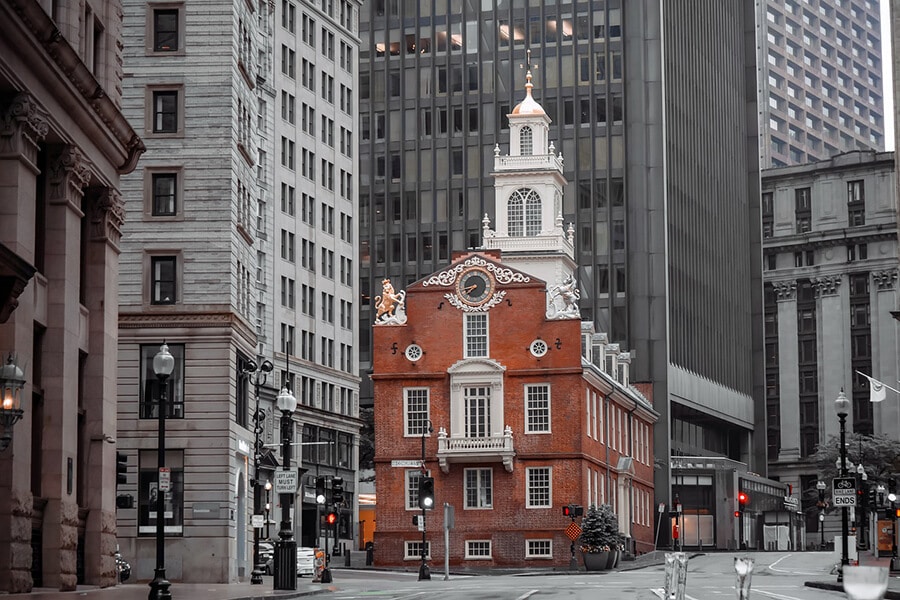
    Massachusetts - Safest Cities

    1. Clinton

    Clinton belongs to Worcester County, and it currently has 14,000 residents.

    Clinton used to be a Mill District of Lancaster, and two brothers, Horatio and Erastus, were responsible for the area’s industrial growth. By 1848, their inventions and marketing brought many people to the area leading to its exponential growth. 

    In 1850, residents decided to separate from the rest of the district and created the Town of Clinton. Some of the mills from that period can still be seen today, and many smaller companies regularly use them for their businesses.

    Clinton is a safe town near Berlin, Massachusetts. Its crime rate is only 129 per 100,000 residents, and in 2019, law enforcement reported a total of 4 violent and 14 property crimes.

    Clinton residents earn above the state average. The median household income in Clinton is $67,634, while per capita earnings amount to $33,796. Around 8% of residents live in poverty, and rents are cheaper. The median gross rent sits at $1,167, and the median home price is $279,400.

    2. Hopkinton

    Hopkinton is part of Middlesex County. It’s less than 30 miles away from Boston, and is one of the best places to live in Massachusetts.

    If you’re a fan of running, you probably know Hopkinson as the starting point of the Boston Marathon. Otherwise, those that work in the IT sector will recognize this name as the headquarters of Dell EMC.

    The town of Hopkinson was officially incorporated in 1715. It was named after Edward Hopkins, a colonist of Connecticut who invested in parts of the land in New England. 

    Today, around 18,470 people live in Hopkinson. It has an extremely low crime rate of 161 per 100,000 residents. The police reported 30 properties and zero violent crimes in 2019.

    Hopkinton is not one of the cheapest places to live in Massachusetts. The median home value is $603,700, and the median gross rent is way higher than the state average at $1,889. Residents of Hopkinton have just a 3.6% poverty rate, and high annual earnings, however. The per capita income is $68,734, and the median household income is $157,353. 

    3. Dover

    Dover belongs to the Norfolk County of Massachusetts, and it’s located on the Charles River, just 15 miles from Boston. The latest data available shows that Dover has 6,127 residents. 

    The history of one of the safest towns in MA dates back over 350 years. It was once part of Springfield’s area due to its open fields around the springs of Trout Brook. When it was time for the town’s official incorporation in 1836, the parish chairman chose to name it “Dover” to commemorate his ancestral home in England.

    The crime rate in Dover is only 229 per 100,000 residents, and in 2019, the police filed reports for 13 property offenses and only one violent crime.

    In case you were wondering what the richest town in Massachusetts is, Dover is an unexpected answer. The median household income is over $250,000, with per capita earnings of $125,777, and less than 1% of people live in poverty.

    High earnings come with more expensive properties, however, and the median house price in Dover is $1,157,700. The median gross rent sits at $2,181, which is almost $1,000 more than the state average.

    4. The Town of Franklin

    The town of Franklin is another beautiful place on our safest cities in Massachusetts list, and it belongs to Norfolk County. Despite its name, Franklin is officially a city of Massachusetts, but the government opted for keeping the prefix “the town of” in the city name.

    The city was named in honor of Benjamin Franklin in hope that he would donate a new bell for the town’s church. Instead, he donated a hundred books, and they built a public library, still called the Franklin Public Library.

    If you’ve been Googling “Franklin, MA, the safest town in America” trying to pick your next destination, the crime rate of Franklin is 271 per 100,000 residents, and in 2019, the police reported 85 property and only five violent crimes.

    Currently, 34,087 people live in this city. The residents of Franklin have high earnings, with a per capita income of $53,944 and a median household earning of $122,607. Only 4% of residents live in poverty, and while the area is safe and wealthy, the cost of living is relatively cheap. The median house costs $436,400, and the median gross rent is $1,378.

    5. Groton

    One of the best small towns in Massachusetts is Groton, located in northwestern Middlesex County, in the Nashoba Valley area. It’s the largest town in the Nashoba Valley area and is the home of two popular prep schools: Groton School and Lawrence Academy at Groton.

    Groton has 11,325 residents, and the people of Groton earn way above the state average, with per capita earnings of $58,468. The median household income in this town is $58,468, and less than 4% of people live in poverty.

    As one of the safest small towns in Massachusetts, Groton has a crime rate of 272 per 100,000 residents. In 2019, residents reported 23 property and eight violent crimes. The median home price is around $472,300.

    If you are interested in moving to Groton, you’ll be happy to learn that the rents are almost equal to the state average, at $1,296, while residents report higher earnings. 

    In case you ever visit Groton, the town officials recommend you to check out a few places, such as the Groton Historical Society Museum. 

    The Old Baptist Church is another famous sight in one of the safest cities in Massachusetts. At the top of the church, you’ll find a 90-year-old clock donated by Dr. Samuel Greene. Lastly, the Groton cemetery holds most of the town’s history with honorable soldiers from the Revolutionary War and Civil War.

    6. Sharon

    Sharon belongs to Norfolk County of Massachusetts. In 1775, it was incorporated as the Town of Stoughtonham, and eight years later, it was renamed Sharon after the Sharon plain in Israel due to the many forests. Sharon is one of the most beautiful places on the list of Massachusetts towns, with a rich history and beautiful landscape.

    The town’s heroine is Deborah Sampson. A woman from Sharon who disguised herself to fight in the revolutionary war and now has a statue and street named after her in the town. 

    Sharon has 18,895 residents, and the median household income is $141,424, while per capita income sits at $67,038. Only 1.5% of people live in poverty, and the median gross rent is $1,641, with a median home value of $551,000. The crime rate is only 295, with 47 property and nine violent crimes reported in 2019.

    Many visitors would call Sharon one of the nicest towns in MA. It’s the home of six historic properties, and you must see Sharon’s First Historic District, Sharon’s Third Historic District, and Stoneholm if you decide to visit. Cobb’s Tavern, the Stoughtonham Furnace Site, and the Borderland State Park are other notable sites in this town.

    7. Marshfield

    You can find Marshfield on the South Shore of Massachusetts, in Plymouth County. It’s about 30 miles away from Boston and is home to 25,967 residents. During the summer, officials report that up to 40,000 people reside in the town, as Marshfield is among the popular Massachusetts coastline towns.

    The most famous resident of Marshfield is Daniel Webster, who spent 20 years of his life in the town. He was an important political figure in the state and was known as “the Farmer of Marshfield.”

    The residents of Marshfield have incomes above the Massachusetts average, with per capita earnings of $48,190 and a median household income of $102,560. Around 6% of residents live in poverty, and the median house price is $466,200, with a median gross rent of around $1,436.

    In Marshfield, Massachusetts, the crime rate is 399 per 100,000 residents, and in 2019, law enforcement reported a total of 32 violent crimes and 71 property offenses.

    The town officials frequently organize various events throughout the year, and the residents recommend the Marshfield Fair, which attracts tourists from all parts of the state.

    8. Scituate

    Scituate is a town in Plymouth County, located on the South Shore of Massachusetts. The town has 18,924 residents, and nearly 53% of them are women. It’s a great place to look into if you want to find the best places to live in Massachusetts on the shore because this town has no less than five public beaches: Sand Hills, Minot, Egypt, Humarock, and Peggotty.

    Scituate gained its name from the Native American word “Satuit,” which means “Cold Brook.” 

    The residents of Scituate enjoy incomes higher than the state average, with per capita earnings of $66,675. In addition, the median household income in this town is $128,864, and less than 4% of residents live in poverty. The median home price is $587,600, and the median gross rent sits at $1,269, which is below the Massachusetts’ average.

    Scituate is one of the safest towns in Massachusetts, and as of 2021, the crime rate is only 405 per 100,000 residents.

    9. Duxbury

    Duxbury is another town in Plymouth County. It’s primarily a residential community on the South Shore of Massachusetts and is just 35 miles away from Boston.

    Duxbury was officially incorporated in 1637 and was the second town in the Commonwealth, making it one of the oldest Massachusetts towns. After the Civil War, this coastal town started attracting tourists during the summer, sustaining the community since then.

    One of the most popular places for visitors, the Standish Hotel, now consists of two private houses you can find on the Standish Shore. In 1833, the town officials formed the Duxbury Rural Society to preserve the beauty and historical appeal of the town, and it still exists to this day.

    Duxbury is one of the best towns in Massachusetts. The crime rate is 414 per 100,000 residents, and in 2019, the police reported 57 property and nine violent crimes.

    The town has 15,921 residents, and the median household income in the town is $128,173. Per capita earnings sit at $61,793, and around 4% of people live in poverty. Properties in this town are not cheap as the median house price is $621,800, while the median gross rent amounts to $1,758.

    10. Wellesley

    Wellesley belongs to Norfolk County, and it’s part of Greater Boston. It has 28,670 residents, with nearly 57% of them being women. If you’re wondering, “is Massachusetts a good place to live?” towns like Wellesley make us want to say, “yes!” This small, historic town has high average incomes and low crime rates.

    Wellesley was discovered over 350 years ago, and the settlers were so happy they found it that they named it “Contentment.” The town reached its peak during the 1920s, and after Filene’s department store opened in the town, it became one of the fastest-growing suburbs of Boston.

    With a crime rate of 428, it is one of the safest places to live in Massachusetts, and law enforcement reported only 120 properties and a total of seven violent crimes in 2019.

    Residents of Wellesley have very high incomes, which are far above the average for Massachusetts. The median household income in the town is $197,132, and per capita earnings are $85,784. Only 4.4% of Wellesley residents live in poverty, and the median house price is $1,343,200, with a median gross rent of $1,938.

    Is Massachusetts Safe: The Most Popular Cities in the State Ranked by Crime Rate
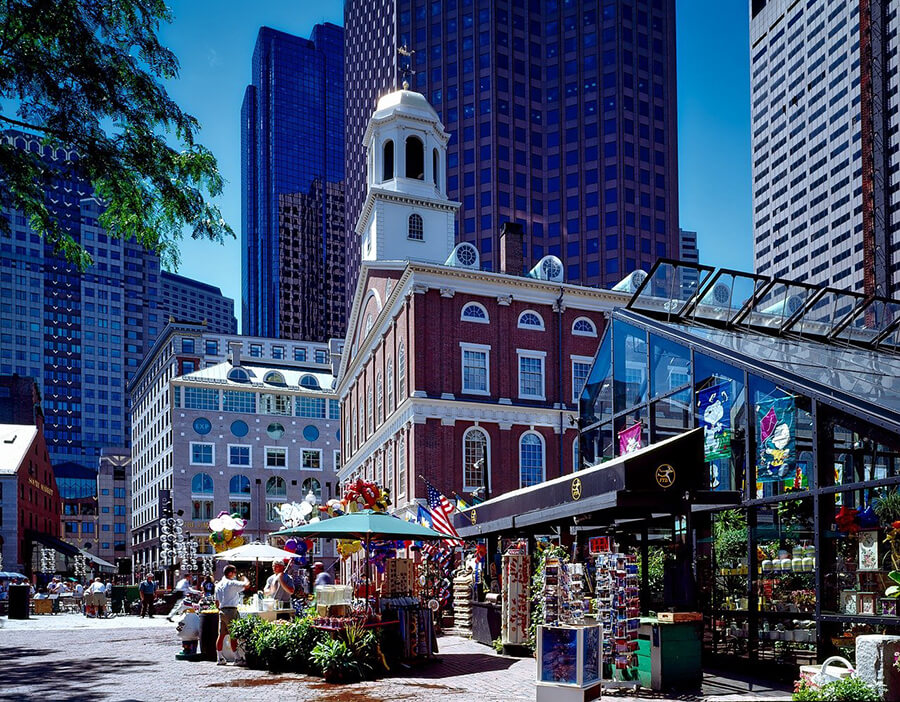
    Safest Cities in Massachusetts

    11. Milton

    The town of Milton is officially part of Norfolk County and lies between the Blue Hills and the Neponset River. It’s considered to be a suburb of Boston, MA.

    This town started flourishing in the 18th century when Boston investors realized its potential due to its proximity to Boston. They used this town to develop sawmills, iron slitting mills and the first chocolate factory in New England called the Walter Baker Chocolate Factory. 

    This city in Massachusetts has 27,593 residents, and about 53% of them are women. Those living in this town enjoy higher incomes than most other Bay Staters, with a median household income of $133,718 and a per capita income of $56,473. Less than 5% of residents live in poverty, and the median value of a house in Milton is $688,400, with a median gross rent of $1,330 a month.

    Besides being a town with high earners, Milton is also one of the safest places to live in Massachusetts. The town’s crime rate per 100,000 residents is 262, and in 2019, residents reported only 61 property offenses and 11 violent crimes.

    12. Arlington

    Arlington is part of Middlesex County in Massachusetts. It is only six miles away from Boston, making it one of the most popular places for families to relocate to, and has 45,531 residents.

    Throughout history, this town’s economy was led by the stream of Mill Brook, and the residents built seven mills on the stream, the most popular being the Old Schwamb Mill, which is still working to this day. 

    Some wonder, “is Arlington, MA a good place to raise a family?” With a crime rate way below the average for Massachusetts, at 441 per 100,000 residents, most say, “yes.” In 2019, law enforcement reported 167 property offenses, and there were only 34 violent crimes.

    High incomes are another attractive feature of Arlington, with per capita earnings of $59,073 and a median household income of $108,389.

    The median home price of Arlington is about $734,700, and compared to other Massachusetts cities, the median gross rent is $1,730. Despite this, the town has a poverty rate of around 5.2%.

    13. Peabody

    Peabody is located on the North Shore of Massachusetts and belongs to Essex County. The city’s last name was Northfield, and it has been part of Salem since 1626. A few decades later, officials chose to change the name to honor George Peabody, a famous philanthropist. 

    Peabody has hosted many industries, including mills, factories, and even the home to the leather industry of New England. With the onset of the depression, the leather industry shut down, causing stagnation in many cities in Massachusetts, including Peabody. Now, the retail industry is the most prominent in the town, with the opening of the North Shore Mall.

    Peabody is a small city, and currently has 53,070 residents. 9% of the population lives in poverty, and the average income is slightly below the state average, with a median household income of $73,217, and per capita earnings of $40,095. The median home value sits at $443,200, and the median gross rent is $1,366. 

    Is Peabody, MA safe? Well, it may not be the safest city in the state, with a crime rate of 1,051 per 100,000 residents, but it still ranks below the average for all of Massachusetts. In 2019, residents reported 13 violent crimes and 435 property offenses.

    14. Lowell

    Lowell belongs to Middlesex County and is part of the Greater Lowell Statistical Area. With a population of 110,997, Lowell is in the top five list of most populous cities in Massachussetts.

    The city was named after Francis Cabot Lowell, a prominent local figure in the Industrial Revolution. Its incorporation came in 1826, with a primary purpose of being a mill town. The numerous textile factories and mills in the area made it the cradle of the American Industrial Revolution. Today, the preservation of many manufacturing sites makes up the Lowell National Historic Park, documenting the town’s important place in American history. 

    The Lowell, MA crime rate is 1,846 per 100,000 residents, just slightly above the state average. In 2019, residents reported 1,652 property crimes and 405 violent offenses.

    With crime and earnings below the Massachusetts average, residents of Lowell do not enjoy the highest quality of life in the state. The median household income is $56,878, and per capita earnings are $26,837. An alarming 19% of people live in poverty, but properties are cheaper, with the median home price being $287,400, and the median gross rent is $1,158.

    While Lowell might not be the best option to relocate to, it’s one of the best places to visit in Massachusetts. The National Park Service worked on preserving the historical sites that residents used for manufacturing and are currently open for visitors in the Lowell National Historical Park.

    15. Cambridge

    Cambridge is another city that’s part of Middlesex County. It also belongs to the Boston Metropolitan Area, and it’s considered a suburb of this city. It officially became a city in 1846 by uniting three villages: East Cambridge, Cambridgeport, and Old Rural Cambridge. The Cambridge, Massachusetts population is 118,927, making it one of the most populated cities in the state.

    Cambridge received its name in honor of the University of Cambridge in England. This city is the home of various academic distinguished institutions such as the Massachusetts Institute of Technology and Harvard University. Furthermore, you can find the Hult International Business School and Lesley University in Cambridge. The city is also the home of the “most innovative square mile on the planet”: Kendall Square.

    Cambridge is a city of high earnings and expensive properties. Still, it’s considered one of the best towns to live in MA for students. The median household income in the area is $103,154, while per capita earnings sit at $58,724. Nearly 13% of residents live in poverty, and the median gross rent is almost $1,000 higher than the state average at $2,221. Houses are also pricey, with the median house cost being $807,200.

    The city has a crime rate of 1,932 per 100,000 residents, and in 2019, law enforcement reported 1,983 property and 334 violent crimes.

    16. Boston

    The city of Boston is the capital of Massachusetts and the most populous city in the state. It belongs to Suffolk County and is part of the Greater Boston Metro Area. Boston is one of the largest, and most dangerous cities in MA. Still, if you love big city living and want to be in Massachussets, Boston is a great choice.

    The city is the site of the Boston Tea Party, the Battle of Bunker Hill, the Boston Massacre, and the siege of Boston. After gaining independence, it remains relevant as an important manufacturing hub and port.

    Boston is known as the center for business ventures and scientific research and is one of the most important major cities in Massachusetts. Home to dozens of schools such as the Bay State College, Berklee College of Music, Boston University, and Benjamin Franklin Institute of Technology. 

    The city’s population is 692,600, and Boston is the most expensive city in the state, which doesn’t reflect in residents’ incomes. The median household income is $71,115, and per capita earnings are $44,690. Around 19% of residents live in poverty, and the median gross rent sits at $1,620, with a median home value of $602,600.

    The Boston crime rate is 2,639 per 100,000 residents. Despite being high for Massachusetts standards, the crime rate is lower than in most bigger cities in the United States. In 2018, the police reported 4,324 violent crimes and 14,007 property offenses. 

    17. Worcester

    Worcester is the county seat of Worcester County, and with 185,428 people residing in the city, Worcester is the second-largest of Massachusetts cities by population. Due to its location in the center of Massachusetts, this city is called the “Heart of Commonwealth.” 

    Blackstone Canal and railways nearby made Worcester perfect for industrial production in the 19th century. World War II halted production, however, leading to the long-term economic and population decline. During the 1990s, the city regained its relevance by becoming a biotechnology, medicine, and education center. Worcester is not one of the central Massachusetts towns with the most universities. Some of them are Worcester Polytechnic Institute, Clark University, and Holy Cross.

    Despite living in a big city with a lot to offer, residents of Worcester have pretty low incomes. Their per capita earnings are $27,884, and the median household income in the city is $48,139.The poverty rate is high, with one-fifth of residents living in poverty.

    The advantage to living in Worcester is the cheaper properties. The median home value is only $246,500, and the median gross rent is $1,095.

    The Worcester, MA crime rate is 2,680 per 100,000 residents, above the Massachusetts average, and law enforcement reported 3,793 property and 1,165 violent crimes in 2019.

    18. Brockton

    Brockton is part of Plymouth CountyCounty and has a population of 95,708. It’s among the most populated cities in the state, and it’s also the second-windiest town in America.

    Boxing fans will recognize Brockton as the “City of Champions.” That’s because Rocky Marciano and Marvin Hagler, famous boxing champions, were born there. Furthermore, Brockton High School has one of the most successful sports programs in the U.S and is the home of the Brockton Rox baseball team.

    This Massachusetts city used to be part of North Bridgewater before becoming a city in 1881. The industrialization earned Brockton the name “Shoe City,” as it became the epicenter of the shoe and textile industry.

    The residents of Brockton have incomes below the state average, and per capita earnings are $27, 439, with a median household income of $58, 469. Almost 15% of residents live in poverty.

    If you’re interested in moving to Brockton, a house costs around $292,500, the median gross rent is $1,111.

    The Brockton crime rate is 2,765 per 100,000 residents, making it a dangerous city to live in, and in 2019, the police reported 782 violent and 1,853 property crimes.

    19. New Bedford

    New Bedford is a city of Massachusetts that belongs to Bristol County. It’s commonly referred to as the “Whaling City” as it was a vital whaling port in the 19th century. Today, the city is famous primarily for its fishing fleet and seafood industry, and it was the setting of Herman Melville’s novel Moby-Dick.

    New Bedford is one of the most dangerous cities in Massachusetts. Its crime rate is 2,912 per 100,000 residents, and the police reported a total of 2,127 property offenses and 628 property crimes in 2019.

    The low quality of living is also apparent in average incomes. The median household income is only $46,321, and per capita earnings are around $25,829. More than 20% of people live in poverty, but properties are not expensive. The median house value is $242,800, while the median gross rent sits at only $847.

    While it’s among the worst cities in Massachusetts for crime and earning potential, New Bedford has a rich history, and it’s a great place to visit. The town has a rich and industrial history, and during the anti-slavery movement, the city was famous for the “Underground Railroad.”

    20. Springfield

    Springfield is a city in Hampden County, and with 153,606 residents, it’s one of the most populated cities in Massachusetts. It’s known as “The City of Firsts” as several innovations were developed there.

    The Springfield, MA crime rate is extremely high. The crime rate in Springfield is 3,501 per 100,000 residents, which is over two times higher than the state average. In 2019, residents reported 1,397 violent and 4,005 property crimes.

    Residents of this city have very low incomes. The per capita earnings are $21,499, and the median household income is only $39,432. As a result, almost 27% of people live in poverty.

    A benefit to living in Springfield is that it’s one of the cheapest places to live in Massachusetts. The median house value is $165,800, and the median gross rent is almost $200 below the Massachusetts average, at $877.

    Springfield is the home of various academic institutions such as Springfield College, American International College, Western New England University, and Springfield Technical Community College.

    Conclusion

    Massachusetts is a beautiful Eastern state that offers a variety of towns and cities suitable to many different styles of life. From beach towns and ports to lively cities full of business and innovation, there’s something for everyone provided the price is right.

    Some of the safest cities in Massachusetts are also the most expensive, so deciding where to live can be a combination of both income and crime rate. With rich educational institutions and industrial heritage towns, Massachusetts offers a founder’s feel to any town or city you choose.

  • The Safest Cities in Virginia

    The Safest Cities in Virginia

    Virginia, or officially the Commonwealth of Virginia, covers the Mid-Atlantic and Southwestern parts of the United States. It’s located between the Appalachian Mountains and the Atlantic Seaboard.

    The fantastic scenery, coastal towns, and mountain cities make Virginia a great place to relocate to, so if you’re thinking about moving somewhere new, take a look at this list of the safest cities in Virginia to help you make your choice. From small, secure towns to the most famous cities in the state, scroll down to see if Virginia is for you.

    About Virginia

    Virginia is among the most extensive seafood producers on the East Coast due to Chesapeake Bay’s rich wildlife. It’s the home of the largest naval base: Naval Station Norfolk, which employs many Virginia residents, and is the home of the largest government office building: the Pentagon. While the Pentagon has the Washington, D.C. mailing address, it’s actually located in one of the cities in Virginia: Arlington.

    This state was the first English settlement, making it the “birthplace of the nation,” and four of the first five presidents were born in Virginia.

    Named after Queen Elizabeth I, known as the Virgin Queen, between 1649 and 1660, Virginia state was part of the English commonwealth. In 1660, Virginia became a colony before officially adopting a constitution in 1776. At that time, the term “commonwealth” was most likely reintroduced as an addition to its name to emphasize the people’s sovereignty in the state, and they never removed it.

    Living in Virginia

    According to the latest estimates, Virginia has 8,535,519 residents. The median household income in the state is $74,222, and per capita income amounts to $39,278. Nearly 10% of residents live in poverty.

    When it comes to real estate stats about Virginia, the median gross rent in the state is $1,234, and the median house price sits at $285,229.

    Crimes, both property and violent, are less common in Virginia than in most other U.S. states, with a crime rate of 1,851 per 100,000 residents.

    Safest Cities in Virginia 2021

    Virginia Safest Cities

    1. Bridgewater

    Bridgewater is a town in Rockingham County and is part of the Harrisonburg Metropolitan Area. It’s the home of Bridgewater College and was once home to the world’s longest wooden covered bridge.

    The first settlers came to the area in the 1740s, and they originally called it McGill’s Ford because the McGill brothers owned a large portion of the land. During that time, various families built mills along the North River and used the land as a port to ship products down the river, giving the town its official name, Bridgewater: one of the best rural places to live in Virginia. 

    Currently, Bridgewater has 6,145 residents. The median household income in the town is $62,870, and per capita earnings amount to $33,350. Around 6% of people live in poverty, and the median gross rent is $806, and the median house price is $228,200.

    When it comes to safety, Bridgewater is a small and secure town. Its crime rate is only 373 per 100,000 residents, making it one of the 10 best places to live in Virginia. In 2019, law enforcement reported 23 property crimes and zero violent offenses. 

    2. Buena Vista

    Buena Vista is a city in the Blue Ridge Mountains region of Virginia, and It doesn’t belong to any county. At the moment, it has a population of 6,478, with over 57% of female residents.

    Buena Vista used to be known as Green Forest, Green Valley, and Hart’s Bottom. In 1890, the area officially became a town in Virginia. Upon receiving a city charter, it separated from Rockbridge County, becoming an independent city.

    As far as cities in Virginia go by population, residents of Buena Vista live in a safe town. Average annual incomes, however, are relatively low. The median household income is $32,455, while per capita income amounts to $39,278. Around one-fifth of the population lives in poverty: 21.4%, but housing is relatively easy to obtain with a median house price of $112,500 and a median gross rent of $795.

    Even though it’s small, Buena Vista is far from a boring city in Virginia. The townspeople worked on preserving its original condition, which is why you’ll find many historical buildings in the area. Some of the sights to visit are the Old Courthouse, Southern Seminary Main Building, and Buena Vista Colored School. You will also find Cedar Hill, Glen Maury, Old and W.N. Seay House, and the beautiful Buena Vista Downtown Historic District in this town.

    Buena Vista is one of the safest cities in Virginia. It has a crime rate of 406 per 100,000 residents, and in 2019, the police reported only 18 property and seven violent crimes.

    3. Purcellville

    Purcellville is part of Loudoun County. It’s the primary center for both the Loudoun Valley and the Western Loudoun Valley. In addition, Purcellville is the home of Patrick Henry College.

    Purcellville is a town to consider for all those that wonder what the best place to live in Northern Virginia is. It is safe, has a high standard of living, and a unique appeal. The town has a rural feel with a touch of Victorian architecture. 

    This city has 10,178 residents. The residents enjoy a high standard of living, with per capita earnings amounting to $46,399. The median household income is $139,074, and only 3% of residents live in poverty. The average rent is around $1,428, and you can purchase a house for approximately $550,300.

    As one of the safest places to live in Virginia, Purcellville has a crime rate of 435 per 100,000 residents. In 2019, residents reported 37 property offenses, and the police filed reports for a total of 8 violent crimes.

    4. Lexington

    Lexington is the county seat of Rockbridge County. However, this town is officially an independent city, which means that Rockbridge County and Lexington are two separate jurisdictions. Currently, in Lexington, VA, the population is 7,446. A large portion of the residents are employees of the Washington and Lee University and the Virginia Military Institute, both of which are located in the town. 

    Lexington is a great place to visit. The Lexington Carriage Company organizes carriage tours around the town, where you’ll be able to see the Lee House, the University Chapel & Museum, the Stonewall Jackson House, and the Oak Grove Cemetery. 

    You can visit the “Unheard Vices of Black Lexington,” which documents the history of 15 different Lexington locations raising awareness of black residents’ contribution to the town. Those looking for an edgier tour of one of the towns in Virginia should try out the Haunting Tales Ghost Tour, which starts on Memorial Day weekend. During the tour, you will hear a spookier version of Lexington’s history.

    The median household income is $42,632, and per capita income sits at $19,047. A large percentage of the population lives in poverty, though, with 27.4%. The median gross rent is $788, while the median home price amounts to $221,700.

    Lexington has a crime rate of 478 per 100,000 residents, making it one of the safest cities in Virginia. In 2019, there were 27 property and seven violent crimes in the area.

    5. Blacksburg

    Blacksburg is located in the northern Blue Ridge Highlands region and belongs to Montgomery County. This town is the home of Virginia Tech, which is the second-largest public university in Virginia.

    The town’s population is 44,233, and the median household income is $43,173, with a per capita income of $23,234. It has a high poverty rate of 43.3% and relatively expensive housing prices. The median gross rent in this town is $1,107, and the median home price is $293,100.

    Even though the Blacksburg, VA, population has a high poverty rate, it’s among the most famous places in the state. Blacksburg is home to Virginia Tech, one of the most well-known universities in the United States, and is a bonafide college-town.

    On the university campus, you will find the Moss Arts Center, the home of Virginia’s Tech Center for the Arts. In case you want to feel the vibe of the town, you should take a stroll in downtown Blacksburg, or if you want to see something different, visit the Smithfield Plantation, built in 1773. 

    Violence in Blacksburg, Virginia is relatively low, with a crime rate per 100,000 residents is 723, and in 2019, residents reported 275 property offenses and 111 violent crimes.

    6. Dumfries

    Dumfries is a town in Prince William County, and It has only 5,922 residents, 58% of which are women. Its modern leading industry is accommodation and food services, but the town has a rich history of being a lively port. 

    Dumfries is one of the oldest towns in Virginia. Its history dates back to 1690 when Richard Gibson built a gristmill in the area. A few years later, he made a warehouse and a customs house which brought other residents to the land. In 1749, Dumfries officially became a town. The land was given to the city by John Graham, who named it after his birthplace, Dumfriesshire, Scotland.

    This town was once among the best places to live in northern Virginia, as it was a booming port in Colonial America for shipping tobacco. Still, after the Revolutionary War, shipping shifted to wheat and sugar, which led to a massive decrease in its popularity.

    The earnings of Dumfries’ residents are below the state average, with a per capita income in the town of $22,408 and a median household income of $63,780. More than 18% of people live in poverty, and the median gross rent is quite high at $1,634, while the average house costs about $372,100.

    As one of the best places to live in Virginia for crime rates, Dumfries is pretty safe. Its crime rate is 912 per 100,000 residents, and the police filed reports for 41 property and seven violent crimes in 2019.

    7. Poquoson

    Poquoson is an independent city in Virginia. It’s part of the Hampton Roads Metro Area and officially belongs to York County since 1951. In 1975, it became one of the independent Virginia cities, which means that now it isn’t part of any county. Still, the city shares the jail, courts, and the sheriff with York County.

    Poquoson, which is often referred to as Bull Island, has a population of 12,271, and 5.6% of residents live in poverty. The median household income is $97,118, with a per capita income of $40,258.

    Those that want to relocate to Poquoson will be interested in some property data about the town. The median gross rent there is $1,222. Moreover, the median value of a home is $305,800.

    As one of the safest places to live in Virginia, Poquoson has a crime rate of 940 per 100,000 residents, and in 2019, law enforcement reported 91 property offenses and 23 violent crimes.

    8. Manassas Park

    Manassas Park is another independent city in Virginia. It belongs to the Washington-Arlington-Alexandria Metro Area, and the city of Manassas and Prince William County are nearby. Manassas Park was officially incorporated in 1957, and it became a city in 1975. The town currently has 17,478 residents.

    Those that are looking for the best places to retire in Virginia should consider relocating to Manassas Park. Its crime rate per 100,000 residents is 994, and in 2019, the police reported 154 property crimes and only 21 violent offenses.

    Residents of Manassas Park enjoy higher incomes than most other Virginians. Per capita earnings amount to $34,326, and the median household income is $88,046. Only 6.4% of residents live in poverty, which is more than 3% lower than the state average. On the other hand, the median gross rent is around $500 higher than the state average, sitting at $1,732. The median house price is $280,500.

    Manassas Park is one of the Northern Virginia cities with great historical significance. It’s the home of the Measles Fort, also known as “A” Fort and Battery Hill Redoubt-Camp Early. This was a military facility during the American Civil War.

    The city is currently being renovated to build a “Village at Manassas Park” that will help the town sustain itself in the upcoming years. It will contain a restaurant, coffee shop, and an outdoor splash pad.

    9. Vienna

    Vienna belongs to the Fairfax County of Virginia. It has 16,485 residents and is the site of the Battle of Vienna during the American Civil War.

    Vienna is among the highest-earning cities in Virginia. The median household income there is $161,196, while per capita earnings sit at $70,962. Only 2.8% of people live in poverty, more than 7% lower than the state average. High salaries come with a more expensive lifestyle, and as such, the median gross rent in Vienna is $2,081. A typical home costs around $788,800.

    Vienna is not only the best place to live in Virginia but also a great city to visit. Feel the city vibe by strolling Maple Ave, or grab a coffee on the nearby Church Street. You should also visit Freeman Store and Museum, Caboose Brewing Company, and Wolf Trap National Park for the Performing Arts. 

    This city is pretty safe, with a crime rate of 1,098 per 100,000 residents, and there were 163 property offenses and 20 violent crimes reported in 2019.

    10. Strasburg

    Strasburg is a town in Shenandoah County and was founded by Peter Stover in 1761. With only 6,676 residents, Strasburg is considered one of the small towns in Virginia.

    This town was incorporated in 1922, and it belongs to the county famous for its antiques, pottery, scenery, and significance during the American Civil War. The Strasburg Museum was built in the late 1800s, which can still be visited by tourists, and residents used it as steam pottery until 1909. Today, visitors can find displays of original pottery, antiques, Native American artifacts, Civil War articles, farm tools, and a working model railroad that resembles the Strasburg Railway.

    The Strasburg, Virginia crime rate is below the state average, with a prevalence of 1,167 per 100,000 residents, and in 2019, law enforcement reported 66 property and 12 violent crimes.

    While they enjoy the town’s safety, residents of Strasburg have incomes lower than the Virginia average. The median household income is $54,740 annually, and per capita earnings are $25,505. More than 10% of residents live in poverty. 

    The cost of living in Strasburg is lower than the state average, with the median gross rent of $977 and median home value of $193,200.

    Crime in Virginia: Rated Rankings

    Safest Cities in Virginia

    11. Alexandria

    Alexandria is an independent city in Virginia, with a population of 159,428, the majority of which are females. It’s one of the largest cities in the state and gained independence from Alexandria county in 1870.

    Despite being a big city, Alexandria has a crime rate of a smaller town. The crime rate of 1,729 per 100,000 residents falls below the state average. In 2019, residents reported 2,517 property and 288 violent crimes.

    Just like most of the Northern Virginia cities, Alexandria is influenced by Washington D.C, and many of its residents are government officials, which is primarily why their earnings are above the state average. 

    The median household income in this city is $100,939, and per capita income amounts to $62,679. Still, the number of people that live in poverty is above the state average with 10.3%. The earnings reflect the property prices as the median gross rent sits at $1,747, and the median home price is around $542,100.

    Alexandria is the home of the Institute for Defense Analyses, and as Alexandria is one of the biggest cities in Virginia, other important institutions are also located there. The National Science Foundation, as well as the United States Patent and Trademark Office, have headquarters stationed here. 

    12. Manassas

    Manassas is an independent city of Virginia. It’s part of the DC–VA–MD–WV metropolitan area.

    This city was vital during the American Civil War and was the location of the First Battle of Manassas and the Second Battle of Manassas. In 1873, the city was incorporated, and about 20 years later, it became the county seat of Prince William County.

    According to the latest available data, Manassas, VA population is 41,085. The median household income of the residents is $81,493, while per capita earnings amount to $33,082. Around 8% of people live in poverty, which is slightly below the state average.

    The property prices in Manassas are slightly higher than in the rest of Virginia, with median house prices sitting around $392,200 and median gross rent sitting at $1,528.

    If you’re wondering if Manassas, VA is safe, the crime rate per 100,000 residents is 1,735, which is below the state of Virginia’s average. In 2019, law enforcement reported a total of 623 property offenses and 103 violent crimes.

    13. Virginia Beach

    Virginia Beach is an independent city. With a population of 449,974, it’s the most populous town in Virginia. It belongs to the Hampton Roads metropolitan area, and it’s a great place to visit and relocate to. Virginia Beach is the safest city, according to many who are looking for a populous but secure beach community.

    The residents of this city earn pretty much the same as most Virginians. The per capita income in Virginia Beach is $37,776, and the median household income sits at $76,610. Only 7.3% of residents live in poverty, and property values and rents are also close to the state average. The median home value is $268,100, and the median gross rent is $1,367.

    The Virginia Beach crime rate is slightly above the state average, with 1890 per 100,000 residents, and the police filed reports for 7,906 property and 581 violent crimes in 2019.

    14. Chesapeake

    Chesapeake is another independent city in Virginia. It’s the second-most populous city in the state, and it has 244,835 residents. This city is part of the Virginia Beach–Norfolk–Newport News metropolitan area, and is home to where many say is the safest place to live in Virginia.

    The 1900s present the most exciting part of Chesapeake’s history. The area that now forms this city was primarily rural. Throughout this period, a portion near Norfolk started developing as the suburb of South Norfolk. Two rail lines nearby caused a rapid growth of the population, leading to South Norfolk becoming an independent town in 1919.

    After annexation lawsuits in the 1950s by neighboring cities, Norfolk County and South Norfolk decided to merge in an attempt to resolve the ongoing issues. In 1963, these entities joined to create one of the largest cities in Virginia, the city of Chesapeake.

    Resident earnings are close to the state average. The median household income amounts to $78,640, while per capita income is $35,536. Around 8.6% of people live in poverty, while the median gross rent is $1,279, and the median home value is $270,300.

    The crime rate of this town is above the Virginia average, with 2,730 per 100,000 residents, and in 2019, the police of Chesapeake reported 5,541 property crimes and 1,112 violent offenses.

    15. Newport News

    Newport News is another independent city among the major cities in Virginia. It rests at the point where the Chesapeake Bay meets the James River. Newport News belongs to the Hampton Roads Metro Area.

    This city has 179,225 residents. The median household income there is $53,215, and per capita income sits at $28,294. Around 15% of people live in poverty, which is way above the Virginia average, and the median gross rent is $1,057, while the median home price is $181,200.

    Newport News is not among the best cities in Virginia when it comes to crime rates, however. Its crime rate is 3,124 per 100,000 residents, and in 2019, the police reported 1,056 violent and 4,484 property crimes.

    16. Hampton

    Hampton is an independent city that rests on the Chesapeake Bay. Established in 1610, it’s among the oldest towns in the United States. It’s also the home of Hampton University, NASA Langley Research Center, the Virginia Air, and Space Center, and the Langley Air Force Base in this city.

    Hampton has 134,510 residents. If you want to become one of them and wonder if Hampton, VA is a safe place, know that crime is quite high. The crime rate per 100,000 residents in this town is 3,294, way above the Virginia average. Residents reported 3,994 property offenses and 393 violent crimes in 2019.

    Earnings of Hampton residents are slightly below the state average. This town’s per capita income is $30,135, and the median household income sits at $56,287. About 15.2% of people live in poverty, and the median gross rent is $1,118. The median home values are around $167,500.

    It’s hard to be bored in Hampton, VA, and while it may not be one of the best cities to live in Virginia, it’s a great place to visit. There is a vibrant arts community in the town, and officials organize various festivals and events during the year. 

    17. Richmond

    Richmond is the capital of Virginia and the center of the Richmond Metropolitan Area. Its incorporation came in 1742, and it became an independent city in 1871.

    This city was important for the Powhatan Confederacy, and English colonists from Jamestown settled here during the Starving Time. After being incorporated, Richmond became the capital of the Colony and Dominion of Virginia. In the Civil War, the city was the capital of the Confederacy.

    The Richmond, VA population for 2021 is 230,436. Resident earnings are much lower than the Virginia average, with the median household income of just $47,250 and per capita income of $33,549. Almost a quarter of people live in poverty, even though the economy of this city is driven by finance, government, and law. 

    Several government agencies are located in Richmond, such as the Federal Reserve Bank and the U.S. Court of Appeals, which explains why despite low incomes, the median home value in Richmond is $214,400, and the median gross rent is $1,025.

    The Richmond, VA crime rate is exceptionally high, making this city a dangerous place to live. The crime rate per 100,000 residents is 3,962, which is over 2000 more than other cities in Virginia. In 2019, law enforcement reported a total of 8,074 property and 1,068 violent crimes.

    18. Norfolk

    Norfolk doesn’t belong to any county, also making it an independent city. It was incorporated in 1705, and it’s one of the oldest points in the Hampton Roads Metro Area. Many consider it to be a financial, cultural, and historic center of the region, and according to the latest available data, Norfolk is the third-most populated city in Virginia, with 242,742 residents.

    Norfolk borders several bodies of water, and throughout history, it was a vital strategic point for both the military and transportation. The bayfront and riverfront portions of the city are what sustain the economy of Norfolk, and the city is the home of the biggest naval base in the world: Naval Station Norfolk. 

    Norfolk is an interesting town for tourists and potential residents with a mix of history and modern coastal architecture. If you catch yourself wondering if Norfolk, VA is safe, however, don’t get too excited. This city has a crime rate of 4,007 per 100,000 residents, and according to police reports from 2019, there were 8,405 property offenses and 1,325 violent crimes in Norfolk. 

    The median household income in the town is $51,590, and per capita income amounts to $29,830. Nearly 19% of residents live in poverty, and the median gross rent is $1,059, while the median house price is $185,900. 

    If you don’t mind the Norfolk, VA crime rate, it can be an affordable and interesting place to settle down in. 

    19. Roanoke

    Roanoke is an independent city of Virginia. It lies in Roanoke Valley, and it’s the principal city of the Roanoke Metropolitan Area.

    Roanoke has 99,143 residents, and the median household income is $44,230, and per capita income is $27,006. About 20% of people live in poverty, but Roanoke is one of the cheapest places to live in Virginia. The median gross rent is around $814, and the median home price is around $158,800.

    Roanoke is considered to be a mountain city and an innovation hub. The city officials highlight its beautiful landscape as the main reason to spend time there, and Roanoke recently received the IMBA Silver-Level Mountain Biking Ride Center status. For those looking for a more urban experience, Downtown Roanoke offers plenty of things to do. You can explore various shops, restaurants, and markets there.

    The Roanoke VA crime rate is exceptionally high, however. With a rate of 4800 per 100,000 residents. That’s 3000 offenses higher than the average for Virginia, and in 2019, the police filed reports for 386 violent offenses and 4,402 property crimes.

    20. Portsmouth 

    Portsmouth is another independent city located in Southwest Virginia on the Elizabeth River. It belongs to the Hampton Roads Metro Area, and Portsmouth is the home of two U.S. Navy facilities: the Naval Medical Center Portsmouth and the Norfolk Naval Shipyard. 

    Portsmouth currently has 94,398 residents and is one of the most dangerous cities in Virginia. Its crime rate is 6,807 per 100,000 residents, and in 2019, law enforcement reported 5,509 property and 889 violent crimes.

    The residents of this town earn way below the state average, with a median household income of $52,175, while per capita earnings are about $26,312. Almost 17% of residents live in poverty, but the city offers lower rent and housing prices, and the median gross rent is $1,048, and the median house price is $153,200.

    While you may need to search for a Virginia home security system if you want to relocate to Portsmouth, at least you won’t be bored. This town offers plenty of things to do, especially for families. Parents love the Children’s Museum of Virginia as it provides a fun way for children to educate themselves on history. 

    Those that are fans of nature will enjoy various parks, with the most popular one being Portsmouth City Park. The town has multiple interesting museums, such as the Lightship Portsmouth Museum and Portsmouth Naval Shipyard Museum.

    Conclusion: The Safest Cities in Virginia

    Virginia has many things to offer, and it’s a perfect place to relocate to, no matter if you are a fan of mountains or want to live near the Ocean. Due to its rich history, almost every town has historical sites and buildings, and its higher education and healthcare are among the best in the nation.

    We found the top 10 safest cities as well as compiled a list of the most popular ones ranked by their crime rates. If Virginia is your next destination, we hope we helped you choose the perfect place for you.

  • Safest Cities in Ohio

    Safest Cities in Ohio

    Ohio might be the most underrated state in the United States. Slipping under the radar, it’s actually quite remarkable. No less than eight U.S. presidents were born there, and it’s home to the Rock & Roll Hall of Fame!

    Ohio offers beautiful everyday nature and has a crime rate lower than the national average. If you’re looking for a new place to locate, take a look at our list of the safest cities in Ohio to help you decide where you might like to go. 

    The safest places by ranking are the smaller towns and districts, but if you’re looking for a bigger city vibe, take a look at our list for larger cities ranked by crime rate to help you decide that sweet balance between attraction, entertainment, and safety. No matter what your preference, Ohio is a small but diverse state with lots to offer.

    Where is Ohio? – About the State

    Ohio is a state in the United States located in the Midwest region. It borders Kentucky, Indiana, Michigan, West Virginia, Pennsylvania, and Lake Erie. When it comes to the territories, Ohio is one of the smallest but most populated states in America. According to the latest available data, it has over 11 million residents. Ohio was established in 1803 as the 17th state and named after the Ohio River.

    Experts believe that Ohio’s rapid rise in population was mostly thanks to its location and other states near Ohio. The lack of natural barriers made migration easy, especially for east-west travel. Ohio is in the heart of the old American industrial belt, and it’s close to resources and labor in the South, East, and Midwest.

    People refer to Ohio as the “Buckeye State” due to the number of buckeye trees around its borders. In fact, in 1953, the Ohio Buckeye became the official tree of Ohio. 

    Is Ohio a Good Place to Live?

    When it comes to crime rates in U.S. states, Ohio is somewhere in the middle. Its total crime rate per 100,000 residents is 2,349. The property crime rate is 2,056, which is lower than the national rate of 2,110 per 100,000 people, and the violent crime rate sits at 293, also lower than the national rate, which is 379 per 100,000 residents.

    The median household income in Ohio amounts to $56,602, and the per capita earnings are $31,552, with around 13% of people living in poverty.

    Safest Cities in Ohio 2021

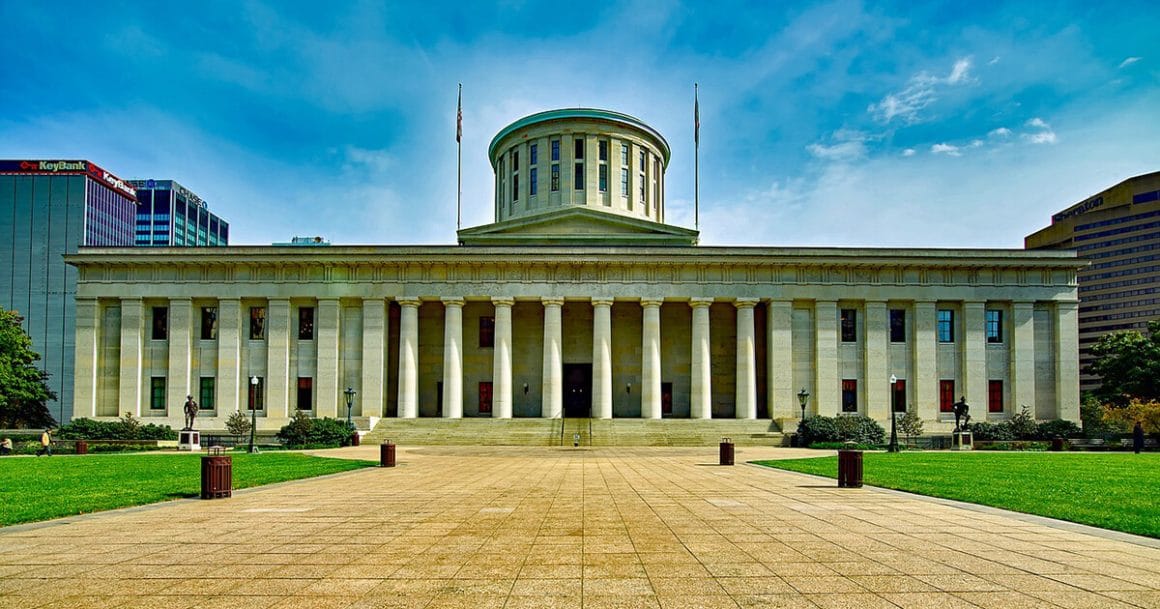
    Ohio State House

    Olmsted Falls

    Olmsted Falls is part of Cuyahoga County in Ohio, and it is considered a suburb of Cleveland. According to the latest official data, the town currently has 8,828 residents, with more than 53% being women.

    The history of Olmsted Falls is rich and dates back hundreds of years. The land was purchased and founded by Aaron Olmsted, a wealthy captain after whom Olmsted Falls was named. The area officially became the city of Olmsted Falls in 1970.

    This town is one of the safest cities in Ohio. Its crime rate is 248 per 100,000 residents, one of the lowest in the state. In 2019, the people of Olmsted Falls reported 203 property offenses and only four violent crimes

    The median household income in Olmsted Falls is above the Ohio average at $69,839, and the per capita income is $37,802. Only 3.4% of people live in poverty, and if you want to buy a home in Olmsted Falls, a typical house will cost you $221,237. Those that want to rent will have to spend around $863 monthly.

    Springboro

    Springboro is one of the best cities in Ohio when it comes to crime rates and quality of living. 

    It was founded by Jonathan Wright in 1815, naming the village Springboro to reference the various underground springs in the area. It currently has 18,931 residents and was incorporated as a city in 1831. 

    Residents of Springboro have pretty high incomes. According to the latest official estimates, the per capita earnings of the people of Springboro are $43,270, and the median household income sits at $107,225. Only 2.8% of people live in poverty.

    Springboro is not only safe by Ohio’s standards, but it’s among the safest places to live in the US With a crime rate of 353 per 100,000, the police reported 66 property offenses and only one violent crime in 2019.

    Safety and high incomes come with a price. If you want to rent in Springboro, you will have to pay $400 more than in most other Ohio towns and cities. The median gross rent is $1,209, and an average house costs $332,248. Over the past year, home values have increased by 13%.

    North Ridgeville

    As one of the fastest-growing cities in Ohio, it comes as no surprise that “North Ridgeville safest city” is among the most popular searches for those looking to relocate. This city is part of Lorain County of Ohio, and is a suburb of Cleveland.

    North Ridgeville used to be Ridgeville Township, with its history dating back to 1810. The settlers organized the township in 1813, and the town later changed its name, inspired by the local post office.

    The city currently has around 34,000 residents, and women comprise the majority of the population. Residents of this city in Ohio live way above the state standards as there are only 5% of people in poverty. The median household income is $77,221, and the per capita earnings amount to $36,386.

    Renting in North Ridgeville costs around $968 a month, and a typical home in this town costs about $236,555. Thus, living in North Ridgeville is more expensive when compared to other cities and towns in Ohio.

    North Ridgeville has a low crime rate of 363 per 100,000 residents. In 2019, the police reported a total of 13 violent crimes, and there were 112 property offenses that year.

    Seven Hills

    Seven Hills is located in Cuyahoga County. Originally belonging to Independence Township, in 1927, it became a village, and 34 years later, Seven Hills was officially incorporated as a city.

    Seven Hills is another beautiful town on our “what is the safest city to live in Ohio” list. If you ever find yourself in this city, you should take a walk in one of the many parks such as the popular John Glenn Park, Calvin Park, North Park, and Cricket Lane Park; or stop by the Recreation Department as it frequently organizes various programs and events during the year to be enjoyed by tourists and residents alike.

    If you’re searching for the safest city in Ohio in 2021 with a high standard of living, you should look into Seven Hills. The median household income is $82,255, while per capita income sits above the Ohio average at $39,352. The percentage of people living in poverty is more than two times lower than the state average: at 5.8%.

    Just like many other towns, higher standards are associated with higher costs. The median gross rent in Seven Hills is $1,207, and the average price of a house is $238,176.

    Seven Hills is one of the safest cities in America. The crime rate per 100,000 residents is 379, and in 2019, the police field reports for only seven violent crimes and 37 property offenses.

    Kirtland

    Kirtland is part of Lake County, and even though it’s a small city, it has a rich history, and it’s a great place to visit and relocate to. This city is the headquarters of the Latter Day Saint movement and is the site of the first Mormon temple called the Kirtland Temple.

    The population of Kirtland is just 6,812, Kirtland isn’t exactly the first place that comes to mind when you think about where the best place is to live in Ohio. It is one of the rare small places, however, with so much to explore. 

    The historic Kirtland is part of the city where the visitor’s center and six historical buildings are located, welcoming visitors to see the historic sawmill, a schoolhouse, and an ashery. You can explore the Newel K. Whitney and Company store, the Newel and Ann Whitney’s home, and the Johnson Inn historical exhibit.

    Besides the many historical attractions, Kirtland is also one of the safest places to live in Ohio. Its crime rate is 396 per 100,000 residents, and residents reported 21 property and six violent crimes in 2019. The median household income is $91,683, while per capita earnings amount to $51,708. About 5.5% of people live in poverty, and the median gross rent is only $782, while the average home value is $311,199.

    North Royalton

    North Royalton belongs to the Cuyahoga County of Ohio, and it was founded in 1818. The city was named Royalton after the natal town of one of the settlers, Knight Sprague, and was officially incorporated in 1927.

    North Royalton is one of the safest cities near Cleveland. It has a crime rate of 453 per 100,000 people, and according to the official police reports, there were only 119 property crimes and 17 violent offenses in 2019.

    The city has a population of 30,068, and the majority of residents are female. The people of North Royalton live above the state average, with per capita earnings of $41,258, and the median household income in the town is $70,665. Only 4.8% of people live in poverty.

    North Royalton is among the cheaper Ohio cities to rent in. The median gross rent is $896, which is about $90 higher than the Ohio average, and a typical house costs around $266,583.

    In case you ever visit North Royalton, you’ll be amazed by its beautiful scenery. You should visit the Mill Stream Run Reservation for its long hiking trail and several bike trails surrounded by plenty of parks.

    Munroe Falls

    Monroe Falls is part of Summit County. It’s a suburb of Akron, and it’s officially part of the Akron Metropolitan Area. It has only 5,063 residents, and its low crime rate makes Munroe Falls one of the best rural places to live in Ohio.

    The first settlers built a sawmill and a gristmill which is why the city was first called Kelsey’s Mills, after the settler who built it. Years later, William and Edmund Munroe bought the mills as well as 250 acres of land in order to create a village. They gave the area the name Munroe Falls, and it officially became a city in 1991.

    If we were to rank Ohio cities by population, Monroe Falls is one of the last, but when it comes to crime rates, the situation is the opposite. The crime rate of this town is 453 per 100,000 residents, and residents reported 23 property crimes and zero violent offenses in 2019. 

    The median gross rent in Munroe Falls is lower than average at $769, and a typical house costs $205,756. Even though properties can be cheaper, residents’ incomes are higher than average, with median household earnings of $66,333. The per capita income is $35,005, and around 9% of people live in poverty.

    Berea

    Berea is another town on the safest cities in Ohio list located in Cuyahoga County. The city has a great location as an official suburb of Cleveland, and it’s near the Cleveland Hopkins International Airport. Berea hosts the training facility of the Cleveland Browns, and it’s home to Baldwin Wallace University.

    John Baldwin is one of the founders of Berea. He created the Baldwin Institute, later known as the Baldwin-Wallace College. The name for Berea was decided by the flip of a coin in 1836, with the other option being Tabor.

    Berea has a population of 18,609. With a crime rate of 474 per 100,000 residents, it’s among the safer cities in Ohio, with 79 property crimes and nine violent offenses reported by police in 2019.

    The median household income in Berea is $59,511, and the per capita income sits at $29,540. Around 11.9% of residents live in poverty, and while the poverty rate is higher than some Ohio towns, it’s still below the state average.

    In case you are interested in relocating there, a typical house costs $182,771. On the other hand, the median gross rent is slightly above the state average and is estimated to be $847 monthly.

    Bellbrook

    Bellbrook is one of the best places to live in Ohio if you’re looking for a small city. It is part of Greene County, and it has only 7,344 residents.

    Bellbrook was named by combining the names of the city’s founding fathers. The town was originally a village, but it slowly increased its population from territories around Sugarcreek Township before gaining its city status in 1974.

    Residents of Bellbrook have a higher income than most Ohioans. Their per capita income is $44,259, and the median household income sits at $84,130. Only 3.3% of people live in poverty, and the rent is almost the same as in other places in Ohio. The median gross rent amounts to $984 a month. A typical house in Bellbrook costs around $239,588.

    The crime rate for Bellbrook is 491 per 100,000 people, and residents reported only 36 property crimes and no violent offenses in 2019.

    Even though it’s a small place, Bellbrook is far from boring. It’s a few minutes from Sugarcreek, and if you like nature, you should go to the Sugarcreek Metropark, and history fans will enjoy the Bellbrook Historical Museum.

    Bay Village

    Bay Village is located in Cuyahoga County of Ohio. It has a population of 15,194, and it’s one of the safest places to live in Ohio.

    Bay Village was originally part of Dover Township, comprising of Westlake and parts of North Olmstead. In 1901, landowners teamed up and requested they split from the township in order to form the Bay Village Township. 

    After the last Cahoon relative passed away, the family home and 115 acres of land were given to the city. Today, the landmark is called Cahoon Memorial Park. Years later, John Huntington, one of the figures of Bay Village, donated his summer estate, which is now known as the Huntington Reservation.

    As one of the best cities to live in Ohio, Bay Village has a crime rate of 499 per 100,000 residents, and police reported 72 property crimes and four violent offenses. Residents of Bay Village have pretty high incomes, with the median household income at $103,582, while per capita earnings amount to $53,838. Only 3.4% of people live in poverty, and the median gross rent is $1,040. The average home costs $325,641.

    Is Ohio Safe? – Crime Rankings of Ohio’s Most Popular Cities

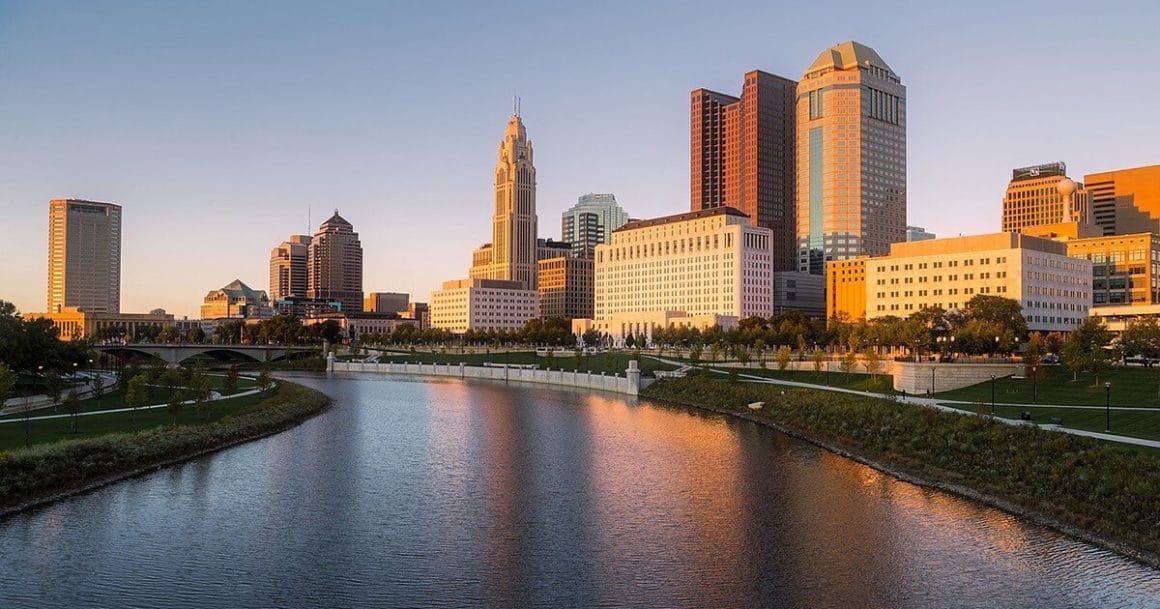
    Safest City in Ohio - Columbus

    Parma

    Parma is part of Cuyahoga Count located just southwest of Cleveland. It gained its name in honor of the other Parma, located in New York, which heralded its name from the famous Italian city. This city was primarily agricultural until the end of World War II when younger families began relocating from Cleveland to more suburban areas. During the sixties, Parma was the fastest-growing city in the United States.

    Parma is among the larger cities in Ohio, with a population of 78,103. Its crime rate isn’t low, however, compared to the biggest cities in Ohio. Its crime rate is 1,112 per 100,000 residents, with 759 property and 112 violent crimes reported by police in 2019.

    The per capita income of Parma residents is $29,113, and the median household income sits at $57,120. Despite the lower earnings, the percentage of people living in poverty is lower than the state average at 9.1%. A typical house in Parma costs $160,647, and the median gross rent is $865.

    Newark

    Those wondering if Newark, Ohio is a good place to live should consider the city’s complex history. Home of the Ohio State University at Newark, Newark is the county seat of Licking County.

    Historically, Newark was a popular industrial town. It was rich in resources such as oil, iron, silica, and glass, which led to many companies choosing this city as their home.

    It maintains a rural and historical appeal, which is something Newark officials are proud of. Its most interesting site is Newark Earthworks, an ancient complex built by the Hopewell culture.

    Newark has a population of 49, 470 and its crime rate is 36 per 1000 residents. With good Ohio home security equipment, however, living in Newark might be just fine. Residents reported 1,676 property offenses and 379 violent crimes in 2019.

    The median household income in Newark is $45,039, and the per capita earnings amount to $25,259. Their poverty rate is 18.3%, although the median gross rent is lower than the Ohio average at $776, while an average home costs only $169,681.

    Columbus

    Columbus is the most populous city in the state with 898,553 residents and is the center of the Columbus metropolitan area, the largest one in the state. 

    Founded in 1812, this city was set to become the Ohio state capital from its inception. It gained its name to honor the explorer Christopher Columbus, and in addition to being the state capital, it was also named the county seat in 1824. The city had constant growth and industrialization, and by the early 1990s, Columbus became the biggest city in the state by both its size and population.

    Columbus is the home of the biggest clearinghouse of chemical information in the world: Chemical Abstracts Service, and Ohio State University is also part of the Metropolitan Area of the Ohio capital.

    Around 19.5% of Columbus residents live in poverty, which is above the state average. Residents make less than other Ohioans, with per capita earnings of $29,322, while the median household income is $53,745. Rents are also higher. The median gross rent is $961, and the average value of a house there is $205,329.

    The crime rate in Columbus is high, with 3,811 crimes per 100,000 residents, and law enforcement reported 29,974 property offenses and 4,561 violent crimes in 2019. Columbus may not be the safest place to live, but safer options exist in the suburbs of this city. The safest cities in Columbus, Ohio, are the suburbs of Granville, Dublin, and Upper Arlington.

    Hamilton

    Hamilton is the county seat of Butler County, and it lies on both banks of the Great Miami River. During the 19th century, the railroad lines near the town attracted new residents from European countries, which is how it grew its population and became an actual city.

    The town’s population of 62,082 earns below the state average. The median household income is $47,064, and per capita earnings are $24,230. An alarming 17.1% of people live in poverty, and safety is a serious concern.

    If you’ve been asking, “is Hamilton, Ohio safe? The crime rate per 100,000 residents is 4,011, and in 2019, the police reported 2,228 property and 265 violent crimes.

    A typical home will cost you around $210,665, and the median gross rent is almost the same as the state average at $809.

    While it’s not the safest city, Hamilton is an exciting place to be. Visitors of Hamilton can enjoy plenty of beautiful, historical sights, and the town has three National Historic Districts. 

    Akron

    Akron is the county seat of Summit County. It is among the major cities in Ohio, with a population of 197,597. The city was founded in 1825 by Paul Williams and Simon Perkins. Akron was also known as the “Rubber Capital of the World.” It gained this nickname due to its long history of tire and rubber manufacturing.

    The crime rate in Akron is very high at 4,220 per 100,000 people, which is way above the state average. In 2019, residents reported 6,568 property offenses and 1,782 violent crimes.

    Akron is one of the cities that give Ohio a bad name every time somebody wants to know is Ohio a good place to raise a family. Its crime rates are high, and the standard of living is dangerously low, with 23.5% of people live in poverty, which is 10% higher than the Ohio average. The median household income is low at $38,739, and the per capita income is only $23,688.

    Buying and renting a property in Akron is cheaper than other Ohio places, with the median gross rent sitting at $759 and an average house costing only $90,238.

    Toledo

    Toledo is the county seat of Lucas County and is the principal town of the Toledo Metropolitan Area. This town isn’t the largest city in Ohio, but it’s close. The population of 272,779 makes it the fourth most populated town in the state. Toledo is an important port city for the U.S.and is amongst the busiest in the Great Lakes. 

    This town was founded in 1833 on the bank of the Maumee River, and after the Miami and Erie Canal was completed, Toledo’s population started growing quickly. The fast growth was supported by the nearby railway line between Chicago and New York City. In the 1880s, Toledo became the home of many glass manufacturers, granting it the nickname, The Glass City of Ohio, USA. 

    Toledo’s residents have low incomes, with median household earnings of $37,752 and a per capita income of $22,438. A considerable percentage of people live in poverty at 25.5%, and as such, properties in Toledo won’t cost you as much. The median gross rent is $725, and a typical house costs $92,674.

    The crime rate per 100,000 residents in Toledo is high at 4,415 per 100,00 residents, and in 2019, law enforcement reported 2,694 violent and 9,470 property crimes.

    Dayton

    Dayton is the county seat of Montgomery County, and with a population of 140,407, it’s one of the largest cities in Ohio. The city is known as the home of the Wright brothers, who flew the first successful flight in a powered aircraft.

    Its founder, Israel Ludlow, marked the territory of Dayton along the Great Miami River. The city was named after the politician and war veteran Jonathan Dayton, and the (then) town started growing during the War of 1812 when it served as a mobilization point. Dayton went down in history when it became a host of the Dayton Peace Accords between Serbia and Bosnia in 1995.

    Dayton’s residents have lower incomes and higher poverty rates than other towns in the state of Ohio. The median household income is $32,540, and per capita, earnings amount to $19,872, with more than 30% of people living in poverty.

    Dayton has a crime rate of 5,002 per 100,000 residents, and in 2019, the police reported 1,351 violent and 5,673 property crimes. The median gross rent for the city is only $706, and a typical house costs around $85,356.

    Cincinnati

    Cincinnati is the seat of Hamilton County and the economic and cultural center of Metro Cincinnati. The first settlers populated the city in 1788, and because of its rich history, and stunning architecture, this city is among the cool places in Ohio to visit.

    Cincinnati hosts three major sports teams: Cincinnati Bengals, Cincinnati Reds, and FC Cincinnati. It used to be called the “Paris of America” due to its fascinating architecture. Some of the architectural wonders sightseers love are the Cincinnatian Hotel, Shillito Department Store, and Music Hall. Cincinnati is famous for being the birthplace of William Howard Taft, the 27th President of the United States.

    Cincinnati has a population of 303,940, which makes it one of the largest in the state, and its per capita income in the city is $30,531, while median household earnings amount to $40,640. Around 26% of Cincinnati, Ohio residents live in poverty, which is above the Ohio average, and the median gross rent sits at $738, and a typical house costs $202,318.

    The crime rate per 100,000 residents in Cincinnati is 5,147, and in 2019, residents reported 2,562 violent crimes and 13,051 property offenses.

    Cleveland

    Cleveland is the biggest city on Lake Erie and the county seat of Cuyahoga County. It’s the center of the Greater Cleveland Metropolitan Area and part of the Cleveland–Akron–Canton Combined Statistical Area.

    The city was founded in 1796 by General Moses Cleaveland. The growth of one of the most populated cities in Ohio was quick and steady, primarily due to its connection to canals and railroad lines and its location near the lake and river shores.

    Cleveland is one of the most populated towns in the state, with 381,009 people. Residents earn way below the state average with a per capita income in Cleveland is $21,223, and the median household income is $30,907. Many people living in poverty, with a rate of 32.7%. The median gross rent in the city is $719, which is below the state average, and a typical house costs $88,987.

    Those wanting to move to this city and wonder, “is Cleveland, Ohio safe?” will be disappointed. The crime rate per 100,000 residents is 5,984, which is way more than in most other cities in the state. In 2019, there were 17,057 property and 5,791 violent crimes.

    On the bright side, Cleveland is also a global city, also known as “Gamma.” It’s full of interesting buildings of historical significance, and some of the sights attractive to visitors are the Cleveland Museum of Natural History, the Cleveland Museum of Art, and Playhouse Square. They are home to the Rock and Roll Hall of Fame and the Cleveland Orchestra.

    Canton

    We’re finishing off our list of cities in Ohio with Canton. Canton is the county seat of Stark County, and It has a population of 70,447, which makes it one of the largest in the state.

    Canton is famous for being part of the successful front porch campaign of President William McKinley. In his honor, the McKinley National Memorial and the William McKinley Presidential Library and Museum were built. To commemorate his wife’s life, the First Ladies National Historic Site was created, and Canton is the birthplace of the National Football league and the home of the Pro Football Hall of Fame.

    Canton is also one of the most dangerous cities in Ohio. Its crime rate per 100,000 residents is 6,691. The law enforcement reported 981 violent crimes and 3,712 property offenses in 2019 alone.

    Residents’ earnings are much lower than the state average, as the median household income isCounty and $32,287, while per capita incomes amount to only $19,967. To make matters worse, over 30% of people live in poverty.

    Canton also has one of the lowest median rent amounts in the state at $671. A typical house in this city costs $128,996.

    Conclusion

    Our list of the safest cities in Ohio outlined some of the most interesting places to go in Cleveland based on history, affordability, and entertainment. If you’re extra concerned about crime, our rankings can help you decide, finding the best balance between livability and safety. 

    Ohio is a state with a great location, beautiful scenery, and exciting attractions. It’s also one of the more affordable states to live in in the US, making an interstate move that much easier.

  • Safest Cities in New Jersey

    Safest Cities in New Jersey

    Whether you’re looking for your next vacation spot or finding a new place to live, here are the top 10 safest cities in New Jersey. Whether you’re looking for a city with a bigger population and more entertainment or a smaller town with historic streets, New Jersey has the variety you are looking for. 

    With a list ranked by crime rates, you can ensure your safety while traveling or trying to find your next neighborhood. No matter where you choose, New Jersey is a state filled with history, attractions, and industry, just waiting to be explored. 

    Is New Jersey Safe? — About New Jersey

    New Jersey is one of the 13 original states of the United States. It borders Pennsylvania, Delaware, New York, and the Atlantic Ocean, and its capital is Trenton.

    New Jersey was named after the island of Jersey, and it’s considered to be the Crossroads of the East. It’s highly industrialized, and almost 17% of its land is covered in productive farmland. The most popular commodities you’ll find in New Jersey are garden vegetables, peaches, cranberries, blueberries, dairy products, and seafood.

    If you’re still wondering, “what is New Jersey famous for? Tourists that visit this state will love the number of diners in New Jersey. Some might even claim that NJ has the most diners in the world! The state is also the home of the tallest water tower – Union Watersphere, and New Jersey was where the motion picture projector, the light bulb, and the phonograph were invented.

    If you’re thinking about moving to this state and you’re wondering whether or not NJ is safe, this portion of our article is for you! New Jersey is actually one of the safest states. With a crime rate per 1000 residents of only 15.4, your chances of becoming a victim of a violent crime are just 1 in 483.

    New Jersey has a population of approximately 8,882,190 people. The median household income in the state is $82,545, and the per capita income sits at $42,745. According to the latest available data, about 9.2% of people live in poverty. 

    Top 10 Safest Cities in New Jersey 

    Safest Cities in New Jersey

    River Vale Township

    River Vale is a part of Bergen County and used to belong to Harrington Township. Back then, it was known as the “Over Kill Neighborhood” because it was located over the Hackensack River (commonly called “a kill”). River Vale officially became a township in 1906, and it has around 9,800 residents.

    This town is one of the safest towns in America. The official data shows that there weren’t any violent crimes in the area in 2019. Additionally, only 20 property crimes were reported, giving it an overall crime rate of 1.9, which is 98% lower than the national average.

    Residents of River Vale earn much more than most New Jerseyans. The median household income for the town is $153,161, and the per capita income is $68,619. River Vale is one of the towns in New Jersey with the lowest poverty rates. Only 2.4% of residents live in poverty, way below the New Jersey average. The average value of homes in River Vale is $679,73, and the median gross rent is slightly below $1,600.

    In case you ever find yourself in River Vale, you should visit its Farmers Market and the Public Library. If you get bored, you can always go to the River Vale Country Club, where you can join golf tournaments or a Toptracer range contest.

    Sparta

    Sparta is one of the safest cities in New Jersey. Although it’s officially a township that belongs to Sussex County, it gained its name after the community of Sparta, which was named after the well-known city-state in ancient Greece. According to the latest data available, it currently has around 18,500 residents, and over 51% of them are women.

    If Sparta sounds like a place you would like to move to, it’s useful to know that the typical home value in this town is $435,446, and the median gross rent from the period from 2015 to 2019 was $1,472. 

    Sparta has higher earnings than most other cities of New Jersey. The median household income is $138,061, while per capita income is $61,186. Unsurprisingly, only 2.3% of the residents live in poverty. 

    Sparta has a crime rate of only 2.3 per 1000 people. In 2019, residents reported just six property offenses and 43 violent crimes.

    This town has a lot of exciting places to offer visitors. For those who love parks, the Kittatinny Valley State Park or Sparta Glen Park are must-sees. History buffs will also benefit, with museums such as the Sparta Historical Society and the Friar Mountain Model Railroad Museum open year-round.

    Kinnelon

    If you’re wondering what parts of New Jersey are close to NYC and are safe enough to live in, you should consider Kinnelon. This town is actually a borough in Morris County, and it’s only 33 miles from New York City. 

    The city’s previous name was Charlottenburg, after Charlotte, the wife of King George III. In 1922, Kinnelon officially became a borough and gained its name in honor of the son of Francis Kinney, an industrialist who purchased a large portion of the town’s land in 1884 for his summer cottage. 

    This is one of the safest towns in NJ. In 2019, Kinnelon had a crime rate of only 2.3 per 1000 residents. During that year, people reported only one violent crime and 22 property offenses.

    Kinnelon has a population of almost 9,900 people. The per capita income in the town is $66,336, while the median household income sits at $158,000. Less than 3% of people live in poverty despite the relatively high cost of living.

    The typical home value in the town is $636,978, and house values rose by almost 11% in 2021. If you’re looking to rent, know that the median gross rent is $2,040.

    New Providence

    The population of the New Jersey town, New Providence is estimated to be around 13,600, and is officially titled a “borough” in Union County.

    This borough has a rich history and many interesting tales. In the 1700s, the area where New Providence is located used to be known as the “Turkey Town” due to a large wild turkey population. According to local tales, George Washington once spent the night in a local home that exists still to this day. Many years later, in 1809, New Providence became a township, but in 1900, the town was reincorporated as a borough.

    New Providence is close to the safest city in New Jersey. It has a crime rate of 2.7 per 1000 residents, and residents reported 36 property crimes and no violent crimes in the area in 2019. 

    The safety of the town comes with a price. If you want to buy a house there, you’ll likely have to spend around $672,000. The median gross rent is also high, at $1,733. On the upside, incomes are pretty high in this town. The median household income is $143,672, while the per capita income sits at $70,292.

    If you would like to visit one of the safest places in New Jersey, New Providence is a great choice. It has been a semi-dry area for 100 years, meaning that restaurants and bars were not allowed to sell alcohol. In 2015, however, the town changed the rules and granted liquor licenses to restaurants again, pledging to use the money from alcohol for town renovations.

    Bergenfield

    Bergenfield is a borough located in Bergen County. The name was given by the New Jersey and New York Railroad officials who, upon building a station and not agreeing on the name, simply put “Bergen Fields” on the tickets. When Bergenfield (one of the safest places in New Jersey) was officially incorporated in 1804, the leaders modified the name into Bergenfield.

    Bergenfield’s crime rate is 3.4 per 1000 people. In 2019, residents reported 15 property offenses and 78 violent crimes. It hosts around 27,300 residents, and over 52% of them are female.

    Those looking to rent in Bergenfield should know that the median gross rent for the town is only $100 higher than the NJ average, at $1,420, and the typical home value is also higher, at $453,901. 

    The per capita income of Bergenfield residents is lower than in most towns in North Jersey, and it amounts to $38,193, while the median household income is more than $10,000 higher than the state average, at $96,335. Around 6.7% of residents live in poverty, approximately 2.5% lower than the NJ average.

    Warren Township

    Warren Township is part of Somerset County in New Jersey, and is officially considered a bedroom suburb of the New York metropolitan area. It is one of the safest cities in the New York metro area, with a crime rate of only 2.8. In 2019, residents reported two violent crimes and 42 property crimes, and according to the latest estimates, Warren has around 15,600 residents.

    The township’s incorporation took place in 1806 from portions of Bridgewater Township and Bernards Township and is named as a tribute to the war hero General Joseph Warren. This area started gaining popularity in the 1900s when wealthy New Yorkers looking for a more relaxed place to live would choose Warren due to its proximity to the city. 

    Warren Township is one of the highest-earning places in New Jersey. The per capita income is $82,261, while median household income sits at $170,264. Only 2.7% of people live in poverty.

    Despite having residents with high earnings, median gross rent is not much higher than the NJ average: $1,651, and a typical house in Warren costs $790,805.

    Warren is constantly being ranked in the nation’s best places to live. What sets this township apart from others is the quality of education, wide, open spaces, and plenty of working farms. Those that want to visit the town should go there during their June carnival.

    Dumont

    Dumont is one of the safe places to live in New Jersey near NYC. With a crime rate of only 3.5 and its close proximity to the Big Apple, Dumont became a popular choice for everyone looking to stay out of the crowds without missing out on the action. Regarding the low crime rate, residents reported only six violent crimes and 56 property offenses in 2019.

    Dumont was first called the Borough of Schraalenburgh. It was formed in 1891 from parts of Palisades Township and Harrington Township. The town later changed the name to Dumont to honor the first mayor of the city, Dumont Clarke.

    As one of the safest towns in NJ in 2021, Dumont currently has a population of 17,500. The median household income of residents is $100,219, and per capita income is $47,885. About 4.8% of people live in poverty, which is more than 4% less than the state average.

    For renters in Dumont, the median gross rent is below the New Jersey average, at $1,306, and the typical house in Dumont costs around $457,570.

    Tenafly

    Tenafly is a borough that’s located in Bergen County. The town was officially incorporated in 1894, and it has a population of around 14,450 people.

    Tenafly is a beautiful city in New Jersey, but it comes with fairly high rents in comparison to the rest of the state. The median gross rent in the area is $2,271, and home values are also exceptionally high, with an average price of $866,532. 

    Residents of Tenafly do, however, have some of the highest earnings typically sitting around $72,800 annually. The median household income is $172,926, roughly $90,000 higher than the average New Jersey resident. Only 2.8% of people live in poverty, which is almost 6.5% lower than the state average.

    This town is on our list because it’s among the safest cities in NY for 2021. Officially, the crime rate in Tenafly is 6.3, but the latest numbers show that last year only one violent crime was reported, and just 90 property offenses.

    Medford

    Medford is a township that was incorporated in 1847 from parts of the Shamong Township, Medford Lakes, and Lumberton Township, but it’s now part of Burlington County of New Jersey. 

    Medford isn’t yet one of the cities in south New Jersey, as it tries to maintain its suburban charm and historic streets. The township’s officials are working hard to keep the area as close to its original state as possible while also creating the residential portions of the town with respect to the lakes, streams, and woodlands around the city.

    The average home value in the town is $429,369, and the median gross rent is $1,335. In case you relocate there, you will have around 23,400 neighbors.

    As one of the safest towns in South Jersey, Medford has a crime rate of 6.5 per 1000 residents, and in 2019, residents reported 19 violent and 134 property crimes.

    When it comes to the residents’ earnings, people in Medford have higher incomes than most New Jerseyans. The median household income in the township is $124,471, and the per capita income for the period from 2015 to 2019 was $58,825. With a poverty rate of just 2.5%, this township demonstrates a high quality of life for its residents.

    Chatham

    Chatham is one of the quaint and small towns in New Jersey. It has a crime rate of 7.3 per 1000 residents. In 2019, there were no violent crimes committed in this town, and only 63 property offenses were reported.

    Chatham is a township based in New Jersey’s Morris County. It was officially incorporated in February of 1806 and 10,100 people live in the area at the moment.

    Those that want to rent a property in this town won’t be glad to read that the median gross rent is almost $1,000 higher than the state average at $2,204, and the average home value in Chatham is higher than in most North Jersey towns at around $832,000. 

    Earnings are much higher, however, with the median household income is $189,297, and the per capita income sits at an amazing $104,953. With less than 3% of residents living in poverty, landing a job in Chatham could give you a great quality of life. 

    This town does not offer that many amenities, although one of the landmarks residents enjoy is the Colony Pool Club which contains 30,000 square feet of freshwater pool and 8,300 square feet of beach sand.

    What Is the Best Place to Live In NJ – Ranked by Crime Rate

    Safest Cities in New Jersey 1

    Toms River

    Toms River is a township in Ocean County. It used to be called Township of Dover, with Toms River being a small community in the area, but after the U.S. Postal Service adopted mailing addresses of Toms River for the whole township, residents started getting confused. The resolution was to officially change the name of the township in 2006. Today, it isn’t exactly one of the small towns in New Jersey, with around 94,100 residents, but it does keep its small-town charm.

    The streets of Toms River might look familiar, as popular TV shows such as Boardwalk Empire and MTV’s Jersey Shore were filmed there. 

    Residents of Toms River earn less than the state average, with a median household income of $79,607 and a per capita income of $39,409. About 7.6% of people live in poverty, and home values are lower than in most other towns. A typical house costs around $301,500, and the median gross rent is $1,414.

    If we only consider larger towns, Toms River is one of the safest towns in South Jersey. The crime rate per 1000 residents is 12.9, with 68 violent and 1075 property crimes reported in 2019.

    Spending any season in Toms River is a great idea, but for the perfect experience, consider going there during Halloween for the second-largest Halloween parade in the world.

    Princeton

    Princeton consists of the former Township of Princeton and Borough of Princeton. After sharing public services for a certain period of time, they decided to officially reunite in 2013. Princeton is one of the most popular towns in New Jersey because it’s the home of Princeton University, one of the prestigious Ivy League schools in the United States. 

    Besides the university, you can also find other essential institutions in Princeton, such as the Institute for Advanced Study, Princeton Plasma Physics Laboratory, Westminster Choir College, and the Opinion Research Corporation. At the moment, the city has around 31,100 residents, 8,419 of which are students.

    The crime rate in Princeton, New Jersey, is 15.4 per 1000 residents. In 2019, the town reported 465 property offenses and 16 violent crimes.

    The quality of life in Princeton is quite good, as residents earn more than the state average, and according to the newest estimation, the per capita income in this town is $77,436. The median household income is $137,672, but still, about 7.8% of people live in poverty. The median gross rent is $1,532, while the typical home value in this city is $702,477.

    Newark

    Newark is a city of New Jersey with the largest population and currently has 282,011 residents. For those wanting a New Jersey city that is bigger but still safe, Newark is a place to consider.

    Newark’s crime rate is still reflective of a larger population, with 24 crimes committed per 100 residents. In 2019, residents reported 1,812 violent and 4,947 property crimes.

    Newark is a lower-income city with a low cost of living. The median household income is only $35,199, and per capita income is $20,163. The number of people living in poverty is way above the state average at 27.4%. As a result, the rent is much lower than in most North Jersey cities, sitting at around $1,085. Home values are also lower, with a typical house costing around $358,307. 

    Newark is the seat of Essex County. It’s also the home of several major companies such as Panasonic Corporation of North America, Audible, PSEG, and Prudential. If you ever find yourself in this town, you must visit some of the beautiful mansions around the city. A lot of which were built by big beer brewers throughout history.

    Jersey City

    Jersey City is one of the biggest cities in New Jersey and the second-most populous one. The city currently has around 262,075 residents, and it’s one of the cities with the highest density in the United States. 

    One of the things that makes this city attractive is its proximity to New York City. In addition, Jersey’s connection to the Hackensack River, Newark Bay, Upper New York Bay, and Hudson River make it an important transportation terminus and manufacturing center. The newest redevelopment of the town’s waterfront led to it becoming one of the biggest centers of banking and finance in the entire country.

    Is Jersey City, NJ safe? The crime rate per 1000 residents is 24.7, and in 2019, 1,394 violent and 5,076 property crimes were reported.

    Reported at 17.2%, Jersey City has a high percentage of people living in poverty. The per capita income in the town is $42,022, and the median household income sits at $70.752. The median gross rent there is above the state average at $1,402, and the typical home value in this city is $559,055. 

    Paterson

    Paterson is the county seat of Passaic County of New Jersey, and it is the third-largest city in the state. The Paterson, New Jersey population is estimated to be around 145,200.

    This city used to be called “Silk City” due to its history of silk manufacturing for the country in the 19th century. At first, the city was part of the Essex Country, then after Passaic Country was created, Paterson officially became a city and the county seat in 1851.

    If you’re planning on moving to Paterson, it’s good to know that in 2019, residents reported 1,219 violent crimes and 3,313 property offenses. The crime rate is 30 per every 1000 residents, making it important to also research New Jersey home security.

    Residents of Paterson have lower incomes, with the median household income is $41,360 and per capita income is $18,949. According to the latest estimates, 26.6% of people live in poverty, which is way above the NJ average.

    In addition, both home values and rents are lower than in most New Jersey towns. The median gross rent is $1,193, and the typical value of a home in the city is around $355,487.

    Ocean City

    Ocean City belongs to Cape May County, and It is the principal city of the Ocean City Metropolitan New Jersey Area. This town was originally a borough, and it wasn’t officially a city until 1897.

    Part of that image includes the prohibition of alcohol, dating back to 1879, and despite various attempts to amend the law, the restriction remains to this day. Surprisingly, however, Ocean City is one of the most drunken cities in New Jersey with the highest number of alcohol drinkers in the state. 

    The rate of crime in New Jersey’s Ocean City is similar to other cities in NJ at 30 per 1000 residents. In 2019, 6 violent and 323 property crimes were committed, and the population of this small city is around 11,000 residents.

    The per capita income in Ocean City is $53,652, and the median household income sits at $81,076. Only 6.3% of people live in poverty. Those looking to rent in the city should know that the median gross rent is $1,264, and a typical home there has a value of around $730,924.

    Trenton

    With around 82,200 residents, Trenton is one of the most populated cities in New Jersey. It’s also the capital of the state and the county seat of Mercer County.

    Trenton has great historical significance. The Battle of Trenton was a crucial American Revolutionary War, that named the capital of the U.S. for a brief amount of time.

    If you’re planning on living in Trenton, you should prepare yourself for lower paychecks. The median household income amounts to $35,402, while per capita income is only $19,281. As a result, 28.7% of residents live in poverty, which is much more than in most NJ cities.

    Renting in one of the largest cities in New Jersey will cost you about $1,026, and a typical home value in the town is $221,734. It may sound low in comparison to other places, but housing values have actually increased by over 18% in recent years. 

    While the incomes and home values are lower than the state’s average, the crime rate in Trenton is extremely high, with a rate of 33.3 per 1000 residents. In 2019, residents committed 954 violent crimes and 1,818 property offenses.

    Elizabeth

    Elizabeth was the first capital of New Jersey. It was founded in 1665 and is now a county seat of one of the safest counties in NJ: Union County. The town has a pretty diverse population of 129, 200 representing over 50 countries and 37 language groups. Today, it’s a vital regional hub for the East Coast with connections to Manhattan, Newark Liberty International Airport, The Garden State Parkway, and the New Jersey Turnpike.

    This town is the home of the first assembly line auto producer in New Jersey, and it’s where the first submarine and the Singer sewing machine were produced. Not to mention, the first ice cream soda was made here. 

    Even though it’s located in a safe county, Elizabeth is far from the safest city in New Jersey. Its crime rate is 37.4 per 1000 residents, and according to the latest numbers, residents reported 932 violent and 3,906 property crimes during the last year.

    The median household income in the town is $48,407, and the per capita income sits at $21,380. In 2019, 17.6% of residents lived in poverty, and the median gross rent is $1,163. 

    Bridgeton

    Bridgeton is the county seat of Cumberland County, it became a city in 1865. It is located in the south of New Jersey, on the Cohansey River, with the Delaware Bay being nearby. 

    In comparison to how many people live in New Jersey, Bridgeton has about 24,160 people. Their incomes are lower than what most New Jerseyans make, with a median household income of $37,804. The per capita income is $16,160, and Bridgeton has a large percentage of people living in poverty—31.2%.

    The upside to living in Bridgeton is lower rents. The median gross rent is only $1,129, and home values are also lower than in many other cities of NJ, with a typical house costing around $163,006.

    If you’ve been Googling “what are the best neighborhoods in New Jersey,” you won’t find any of Bridgeton’s areas on the lists. The city is safer than only 6% of other towns in the entire United States. Its official crime rate per 1000 residents is 44.3, and in 2019, residents reported 848 property offenses and 223 violent crimes.

    Atlantic City

    Atlantic City officially became a city in 1854 as a combination of Galloway Township and Egg Harbor Township, and it’s located on Absecon Island. Atlantic City is a coastal resort town and a tourist attraction due to the many beaches and casinos around the city.

    For those that want to know what is the richest city in New Jersey when it comes to the experience it offers – Atlantic City might be the answer. Monopoly fans would certainly find the names of the streets of Atlantic City familiar as the town inspired the U.S. version of the board game. 

    Miss America pageant lovers, on the other hand, already know that Atlantic City has been the host of the contest since 1921. Another interesting fact about this town is that casino gambling has only been legal since 1976.

    Even though thousands of people pass through the town during a year, Atlantic City is not the largest city in New Jersey. Currently, around 37,700 people live there. The city’s crime rate is 54.6 per 1000 people, and residents reported 323 violent and 1,738 property crimes in 2019.

    The median household income is $29,232, while per capita income amounts to $20,380. Over 37% of people live in poverty, and the median gross rent for the town is only $904, while a typical home value amounts to $135,193.

    Final Thoughts

    Whether it’s the safest cities in New Jersey you’re looking for, or the wildest, NJ has an option for everyone. It might not be all that NYC has to offer, but that’s why many people choose New Jersey to visit or to live over the Big Apple. 

    In case you prefer bigger cities with more possibilities, NJ has several resort spots and entertainment districts that can suit any itch for a bigger city vibe. Of course, they come with higher crime rates, but by taking a look at our crime ratings, you can choose the place that’s best and safest for you.

  • Safest Colleges in America

    Safest Colleges in America

    The college years can be some of the most impactful, formative, and important in a person’s life. Many of the main considerations in picking a university are things like campus life, academic performance, mentorship, extracurricular opportunities, and student support.

    We began conducting research into the safest colleges in America because none of these positive college experiences are possible without the university providing a safe and nurturing environment for students to break out of their shell and grow into their adult selves.

    To parents, in particular, safety is often an even more important consideration than academic performance.

    Colleges know this and will often create PR designed to convince parents and students alike that they are the safest choice.

    To help you with such an important decision, we’ve compiled a list of the safest colleges in the US.

    We used a methodology that incorporates reported data and campus crime rates, while also considering local crime, law enforcement support, and campus transparency.

    With the data meticulously run through this method, our statistical analysis has resulted in a list we are quite confident in.

    However, please don’t confuse this list as ranking one college as better than another in areas unrelated to safety.

    Methodology

    The National Council for Home Safety and Security recently released a methodology for identifying the safest colleges. Their method utilizes FBI crime reports combined with campus crime rates.

    We found their calculations for crime rates less comprehensive than they should be, relying only on the total number of campus crimes to be divided by the campus police numbers.

    For the purpose of this list of the safest colleges in America, we expanded upon this original method while adding more significant metrics, such as the number of crimes per 1,000 students and local crime rates.

    Additionally, crime stats in states without marijuana prohibitions are lower, so we adjusted our rankings to compensate for this. This expanded methodology has resulted in what we see as a more viable ranking system.

    Without further ado, here is our list of the safest places to study in America.

    Safest Colleges in America – 1 to 10

    1. The University of Connecticut – Mansfield, Connecticut

    The University of Connecticut – Mansfield, Connecticut

    Coming in first on our list, UConn has a prominent but non-invasive police presence on campus, a system to ensure no one walks alone, and one of the lowest campus crime rates we have observed.

    Along with being one of the best college towns in the US, Mansfield is a safe city with a relatively low crime rate at .73 per thousand residents. The university’s safety webpage also has helpful resources for students and community members alike to take action against any past or present wrongdoings. The Avery Point location is also one of the safest college campuses in the US.

    2. Brigham Young University – Rexburg, Idaho

    Brigham Young University – Rexburg, Idaho

    Our magna cum laude of safety goes to Brigham Young University. The Idaho campus has some of the lowest crime rates of all the colleges we’ve seen, coming in at an impressive .0082 per thousand students. Rexburg as a whole has an impressive record, at just .39 per thousand residents.

    Perhaps a reason for its high placement in the college safety rankings is the comprehensive code of conduct that students adhere to at the LDS university. Students and faculty speak of the school, and of its safety, very highly and have repeatedly found it to be an inclusive and nurturing environment for young adults.

    3. New York University – New York, New York

    New York University – New York, New York

    With the New York City crime numbers dropping like a stone in recent years, it’s not shocking that we have a handful of schools from the Big Apple on our list of the top safest colleges.

    NYU had no arrests on campus grounds and just 12 alleged crimes to go along with 14 acts of violence against women.

    These are impressive numbers for an institution this large. Police visibility on campus is average relative to their New York contemporaries.

    Tuition may be a scary aspect of the university, but rest assured that NYU rests at the summit of our list. And if you want to live a bit further from the island, you can choose from the list of the safest cities in New York, such as Rye, Glen Cover, or Irvington.

    4. Washington State University – Pullman, Washington

    Washington State University – Pullman, Washington

    A healthy five-hour eastbound drive from busy Seattle finds us another one of the least dangerous colleges in America. The home of the Cougars recorded just seven arrests on campus. There’s light but consistent police visibility on campus to pair with well-lit walkways for every place you need to walk to on campus. You can definitely walk around without a stun gun, taser, or a pepper spray on you. However, it doesn’t hurt to have one of those, just in case. Pullman scores well for local crime too, with just 539 reported incidents last year.

    5. Clemson University – Clemson, South Carolina

    Clemson University – Clemson, South Carolina

    Clemson had a shockingly low crime rate, with just .002 reported crimes per thousand students. If it weren’t for a marginally higher city crime rate than its predecessors, the university would be even higher on this list.

    The campus crime rate makes them, statistically, the safest campus in the US. As a city, Clemson’s crime rate is 1.02 per thousand residents. The university has a strong police presence, great safety resources for students, and a great code of conduct that students adhere to.

    6. Pennsylvania State University – State College, Pennsylvania

    Pennsylvania State University – State College, Pennsylvania - safest colleges in America

    Penn State’s community puts a top priority on safety. The safety crew at Penn State has extensive training in crime prevention and works collaboratively with local police. Thanks to this, police visibility is lower on campus, while campus security numbers are higher.

    Going further than just crime prevention, all security members are trained in first aid and CPR. This results in very consistently low crime rates across campuses, making each location some of the safest colleges we’ve observed.

    7. The University of New Hampshire – Durham, New Hampshire

    The University of New Hampshire – Durham, New Hampshire - safest colleges in America

    According to reported crime data, UNH had just 7 reported crime incidents in the last calendar year. Impressively, none of these incidents involved violent crime. The Manchester and Concord campuses, however, are not included in this consideration, nor do we include them with Durham as one of the safest college towns in America.

    As a city, Durham holds a respectable 1.09 crimes per thousand residents. The University of New Hampshire has an unwavering commitment to personal responsibility and safety, while also providing resources to students and strong support to victims.

    8. Purdue University – West Lafayette, Indiana

    Purdue University – West Lafayette, Indiana - safest colleges in America

    The home of the Boilermakers begins to round out our top 10 safest schools in America. West Lafayette is a fantastic college town with a strong but non-invasive police presence with just 515 reported crimes over the last year.

    Purdue, along with providing a great education at a competitive price tag, has a very low crime rate at .08 per thousand students.

    Additionally, the school provides support and resources to students, and it has healthy security expenditures.

    9. The University of Maryland – College Park, Maryland

    The University of Maryland – College Park, Maryland - safest colleges in America

    Despite the surrounding area performing poorly in safety tests, UMD is one of the safest universities available, and the university’s crime stats are quite low. They had just 63 reported incidences of crime over the past year. Campus and local police are very visible and effective deterrents of crime on school grounds.

    10. Corban University – Salem, Oregon

    Corban University – Salem, Oregon - safest colleges in America

    What is the safest college in Oregon? From providing roadside assistance to safety escorts, the private Christian university is unwavering in its efforts to provide a safe college environment. They had under a dozen crime reports, the majority of which were related to alcohol.

    We initially had this school even higher on our ranking before realizing we needed to adjust the methodology for colleges in states with marijuana prohibition. Rest assured, Corban University is one of the true safe colleges out there.

    Safest Colleges in the United States – 11 to 20

    11. Michigan State University – East Lansing, Michigan

    Michigan State University – East Lansing, Michigan

    While the total crime numbers—coming in at just under 1,200 reported incidents—may be alarming, given the university’s size at over 50,000 students, the crime rate is a respectable 1.8%.

    Michigan State, being one of the safest states, has a helpful student program to ensure nobody walks alone if they don’t choose to. All pathways are well-lit, and the campus and local police presence is substantial. MSU is one of the safest colleges in Michigan, as well as the US.

    Some smaller universities and community colleges that didn’t qualify for this list have lower crime numbers, but Michigan State has set an example for big universities on crime attention and prevention.

    12. The University of California, Irvine – Irvine, California

    The University of California, Irvine – Irvine, California

    Unlike their University of California contemporaries in Los Angeles, Santa Barbara, and Berkeley, all of which are considered among the most dangerous college campuses, UC Irvine has incredible statistics for both total crime and crime prevention.

    Despite rising enrollment numbers, crime rates have not risen. There have only been two incidents in campus housing and about a dozen total incidents. Irvine as a city has over 250,000 residents and has maintained an impressive crime rate of 1.3 per thousand residents. UC Irvine has set an example that the rest of the University of California would do well to follow.

    13. The University of Michigan – Ann Arbor, Michigan

    The University of Michigan – Ann Arbor, Michigan

    Nestled within the safe community of Ann Arbor, which holds a crime rate of 1.9 per thousand residents, the home of the Wolverines has been one of the safest college campuses in America. Not far behind its athletic rival Michigan State, the school has plenty of safety resources for its students and a visible police presence. All members of the security team are trained in CPR and first aid.

    14. New York Institute of Technology – Old Westbury, New York

    New York Institute of Technology – Old Westbury, New York

    NYIT is one of the few members of this list with less than five total reported crimes in the past calendar year. Old Westbury is a small college town, with a population of less than 5,000.

    The town had less than 50 reported crimes in total for the same time span. Also, the school offers undergraduate and postgraduate programs and has locations all over the world.

    The Old Westbury location is one of the safest college campuses, so it’s a sound choice for any tech-minded student.

    15. California State University, San Marcos – San Marcos, California

    California State University, San Marcos – San Marcos, California

    San Marcos is one of the safest cities in California with an impressively low crime rate given the surrounding cities. At just 1.3 per thousand residents, San Marcos provides an ideal community for a safe college.

    The university itself has had less than two dozen incidents of crime over the past year. They have a fully staffed and trained security team that works in tandem with local police, creating a strong but hands-off police presence on and around campus.

    16. Stockton University – Galloway Township, New Jersey

    Stockton University – Galloway Township, New Jersey - safest colleges in America

    Though this is another relatively small university on our list, that doesn’t diminish the school’s accomplishments. Still, we aren’t trying to answer the question, What are the best small colleges? We just want to find the safest.

    Galloway Township is located in Pomona, New Jersey. Pomona has a relatively high crime rate relative to some of the other college towns on this list. Data specifically on Galloway’s crime rate wasn’t readily available, but reports have the township contributing to just 8% of Pomona’s total crime. From talking to New Jersey residents and state police officials, they’ve affirmed this figure to be accurate.

    17. Tennessee State University – Nashville, Tennessee

    Tennessee State University – Nashville, Tennessee - safest colleges in America

    Nashville has consistently been ranked as one of the best cities in America. Using crime data from these big cities is a bit problematic, but looking at the district TSU resides in paints a clearer picture.

    One of the safest colleges in America by the numbers, Tennessee State University has had just 26 campus crime incidents, placing the college’s crime rate at just .0037. TSU has an unwavering dedication to campus and student security, making it a great college choice for safety.

    18. Iowa State University – Ames, Iowa

    Iowa State University – Ames, Iowa - safest colleges in America

    We’re back to the big schools with Iowa State University, a relatively inexpensive university. However, we aren’t concerned with the question, What is the cheapest college in the US? We care whether it has performed well in key crime stats.

    The school has a strong police presence, and while they had over 500 incidents on campus, school safety statistics show that over 350 of those were alcohol and minor marijuana offenses. Ames itself has an impressive crime record, with just under 1,500 reports in the last calendar year even though it’s home to over 60,000 people—and this helps make Iowa State one of the safest colleges in the US.

    19. Rogers State University – Claremore, Oklahoma

    Rogers State University – Claremore, Oklahoma - safest colleges in America

    Found within the safe, cozy community of Claremore, Rogers State University has provided a secure environment since even before they began offering bachelor degree programs.

    Being a small but growing school, its careful attention to safety has paid off, with less than 10 total crime incidents on campus. This focus on safety will surely see the school grow into a bigger and more influential institution.

    20. Elon University – Elon, North Carolina

    Elon University – Elon, North Carolina - safest colleges in America

    A private liberal arts school found in Elon, North Carolina rounds out our top 20 safest colleges in America. Elon’s crime numbers are just as impressive as any other city on this list. They had only 58 total incidents in the last year.

    The school’s security team is so attentive, students only need to worry about their studies. Additionally, this university is located between Raleigh and Greensboro, two of the safest cities in North Carolina.

    Safest Colleges in the US – 21 to 30

    21. Albany State University – Albany, Georgia

    Albany State University – Albany, Georgia - safest colleges in America

    A historically black college, this small university is yet another to provide a phenomenal student experience with an emphasis on safety.

    The school has a strong code of conduct and acts swiftly to sort out the truth in any allegation, helping it become one of the safest universities.

    Police presence on campus is less than some of the others on this list, but that hasn’t proved to be an issue.

    22. Lehigh University – Bethlehem, Pennsylvania

    Lehigh University – Bethlehem, Pennsylvania - safest colleges in America

    On top of having phenomenal graduate and freshman retention rates, coming in at 87% and 96% respectively, Lehigh has created a positive atmosphere for learning and student safety.

    The city of Bethlehem performs well for safety as a whole, having just 19 incidents per thousand residents.

    And the university takes that security performance further with very few incidents recorded in the past few years, most of them being minor alcohol charges.

    23. Arkansas State University – Beebe & Jonesboro, Arkansas

    Arkansas State University – Beebe & Jonesboro, Arkansas - safest colleges in America

    ASU had just 35 total reports of crime on campus or in campus housing for the past calendar year. Clearly, Arkansas State has some of the best college safety practices of the schools we’ve studied.

    While Jonesboro city crime occurs at a much higher rate than that of Beebe, the external city’s crime seems to have little effect on the campus.

    Beebe has much better safety stats, having just 410 total reported crimes in the past year. Jonesboro is a much larger city, with a crime rate of 3.1 per thousand residents.

    24. Bridgewater College – Bridgewater, Virginia

    Bridgewater College – Bridgewater, Virginia - safest colleges in America

    Founded in 1880, Bridgewater was the first liberal arts college in Virginia to admit both men and women. The school has provided a safe and nurturing environment for learning and student growth ever since. The private school has very little on-campus crime coming from its 1,800 students and scored very high on our college safety ratings.

    The town of Bridgewater is a lovely little college town with incredible crime rates. The police department doesn’t have much on its plate, as there were only 13 reported crimes for the past calendar year. If you’re looking for a small, safe community, then Bridgewater College is a great choice.

    25. Emory & Henry College – Emory, Virginia

    Emory & Henry College – Emory, Virginia - safest colleges in America

    Back-to-back Virginia schools round out the top 25 safest colleges in the US. This school barely surpassed our 1,000-student threshold. They had no reported incidents of crime on campus, giving them a perfect crime rate.

    Perhaps even more impressive is the city of Emory’s crime rate of just .009. It’s one thing for a contained community like a university to have this sort of number, but as a city-wide total, that’s impressive. At zero reported crimes, it would be easy to place them as the best choice in a college crime rankings list.

    26. Ohio State University Newark – Newark, Ohio

    Ohio State University Newark – Newark, Ohio - safest colleges in America

    While the Columbus campus failed to make this list, the Newark location has a much more impressive record.

    With significantly less enrollment, perhaps the security team has the opportunity to work more efficiently.

    When a university grows to a certain size it becomes a much more difficult task to ensure the safety of every student. The Newark branch of OSU is one of the safest colleges in Ohio.

    27. De Anza College – Cupertino, California

    De Anza College – Cupertino, California - safest colleges in America

    In the heart of Silicon Valley, we find the first of two community colleges on the list. De Anza has been a high-ranking community college since opening in 1967. Their UC transfer program allows students to transfer to any of the top University of California locations.

    Cupertino scores out well for crime, having just over 1,000 incidents for a crime rate of .9 per thousand residents. De Anza serves over 23,000 community colleges, making it one of the highest enrolled colleges of its stature in California.

    28. Cabrillo College – Aptos, California

    Cabrillo College – Aptos, California - safest colleges in America

    Our two community college inclusions come back to back on our list of the safest colleges in the US. Just a short drive down highway 1 from Santa Cruz, Aptos is a small town with a great crime rate of .13 per thousand residents.

    The college has a unique relationship with its neighboring University of California Santa Cruz. They offer a transfer admission guarantee program (TAG) for many of the top UC’s. Thanks to a light but visible police presence on campus and a great campus security team, most of the 22 crimes committed on campus were related to alcohol. Like DeAnza, potential South Bay Area college students can find a safe alternative to a four-year school.

    29. Utah State University – Logan, Utah

    Utah State University – Logan, Utah - safest colleges in America

    Next on the list of the safest college campuses, the home of Big Blue and the Aggies performed incredibly well in our analysis. With just 18 incidents on campus, they are amongst the lowest of all colleges, not even mentioning the fact that they enroll over 20,000 students.

    The city of Logan’s crime rate of .14 per thousand residents shows an equal commitment to safety between the college and the town.

    30. George Washington University – Washington, DC

    George Washington University – Washington, DC - safest colleges in America

    Rounding out our top 30 safest colleges in America is George Washington University. Despite DC’s tremendously high crime rates, the university has an on-campus crime rate of .0044 per thousand students.

    This is a testament to the school’s commitment to safety. There’s a strong police presence on campus, a usual deterrent of crime, and a robust security system and team in place.

    The greatest safety concern a parent should have about sending their child to this school should lie in their confidence in DC, not their confidence in the school’s safety.

    Safest College Campuses – 31 to 50

    UNIVERSITYLOCATION
    31. St. Mary’s CollegeMoraga, California
    32. Whitworth UniversitySpokane, Washington
    33. Biola UniversityLa Mirada, California
    34. Liberty UniversityLynchburg, Virginia
    35. Wheaton CollegeWheaton, Illinois
    36. The University of WashingtonSeattle, Washington
    37. Summit UniversityClarks Summit, Pennsylvania
    38. George Fox UniversityNewberg, Oregon
    39. The University of PortlandPortland, Oregon
    40. Baptist College of FloridaGraceville, Florida
    41. Bellevue UniversityBellevue, Nebraska
    42. Regent UniversityVirginia Beach, Virginia
    43. Northwest UniversityKirkland, Washington
    44. Fashion Institute of TechnologyNew York, New York
    45. The King’s CollegeNew York, New York
    46. Fashion Institute of Design & MerchandisingLos Angeles, California
    47. Berklee College of MusicBoston, Massachusetts
    48. Azusa Pacific UniversityAzusa, California
    49. Concordia UniversityAnn Arbor, Michigan
    50. New England Institute of Technology UniversityEast Greenwich, Rhode Island
  • Safest Cities in Arizona

    Safest Cities in Arizona

    Arizona is known for its desert climate, with mild winters and hot summers, and one of the coolest flags ever. This is the place to be for those tired of shoveling snow and spending their summers in high humidity. As for the safest cities in Arizona, this information, and many others, will be laid out in this article.

    With this information, you can determine the level of home security you need in Arizona, depending on which city you want to move into. Every city listed has its crime rates per 100,000 inhabitants listed in parenthesis next to it. Further down, you’ll find information on population, median income and age, house prices, and more detailed crime data.

    Keep in mind that the national average for property crime is 2,110 per 100,000 people, while for violent crime, it’s 379. Regarding Arizona’s averages, property crime sits at 2,441, while violent crime is at 455 instances per 100,000 people.

    Top 15 Safest Cities in Arizona in 2021

    Florence

    (Property: 280; Violent: 167)

    • Population: 28,474
    • Median age: 39.1
    • Median household income: $49,534
    • Median house value: $216,200

    With more than 25 buildings listed on the National Register of Historic Places, Florence is not only one of the safest, but also one of the oldest towns in Arizona. That’s why it’s regarded as a National Historic District. Interestingly enough, being one of the safest places to live in Arizona, Florence is also home to multiple state, federal, county, and private prisons.

    Nowadays, 28,474 people make up the town’s population. Its median household income is $49,534, while the median age is 39.1 years. According to recent real estate data, a median home in Florence is valued at $216,200.

    Residents have a lot to enjoy in a town with more than 25 historic buildings — from the high schools to the bridges, everyone’s interests are covered. Those who decide to stay here permanently are drawn by the reasonable cost of living, which is 4.1% lower than the US average. 

    What city has the lowest crime rate in Arizona? Well, according to crime data from 2019, the answer is Florence. That year, 74 property crimes (58 thefts, 9 burglaries, 7 vehicle thefts) and 44 violent crimes (37 assaults, 1 robbery, 5 rapes, 1 murder) were reported.

    However, the number of violent crimes in this small town has more than doubled from 2018’s figures.

    Even the safest cities have some negative sides. For Florence, those negatives include the whopping unemployment rate of 10.8%, which is way higher than the US average of 5.9%, and its low public education investments (44.4% lower than the rest of America’s average spending per student).

    This means that it’s probably not the best place to live in Arizona for families.

    Florence, Arizona - safest cities in arizona

    Somerton

    (Property: 769; Violent: 215)

    • Population: 16,752
    • Median age: 27.5
    • Median household income: $38,315
    • Median house value: $144,100

    Located in Yuma County, Somerton is a remarkable little city with an economy that’s primarily based on agriculture, medical services, and tourism.

    Somerton has 16,752 residents and a median household income of $38,315. Also, it has one of the youngest populations in Arizona, as the median age sits at 27.5 years. A median house in this city will set you back only $144,100, making Somerton one of the cheapest places to live in Arizona. 

    Despite being a city, it still has a small-town feel, with a historic downtown and tons of special events throughout the year. These things bring visitors in from all over Yuma County. Casinos, a golf course, and many other amenities centered around the Cocopah heritage are available to tourists and residents. However, Somerton’s population has increased by 113.43% since 2000, mostly due to the low cost of living (10.8% below average) and the exemplary crime rates that this city shows year after year.

    According to the 2019 data, Somerton is the safest city in Arizona. That year, 129 property crimes (80 thefts, 25 burglaries, 24 vehicle thefts) and 36 violent crimes (25 assaults, 4 robberies, 1 rape, 6 murders) were reported in the city. 

    Unfortunately, Somerton shares its low unemployment rate with Yuma County. For this city, it sits at 8.7% and represents one of the biggest issues with living in Somerton.

    Somerton, Arizona - safest cities in arizona

    Paradise Valley

    (Property: 1,093; Violent: 68)

    • Population: 15,003
    • Median age: 53.6
    • Median household income: $211,393
    • Median house value: $1,858,900

    Paradise Valley is a dream destination for those looking to retire or move somewhere nice with their family. This is probably the most desirable town in the state and one of the best places to live in Arizona. According to data published in 2018, it is the wealthiest municipality in the state.

    Nowadays, 15,003 people are lucky enough to call Paradise Valley their home. Their median household income is $211,393, the median age is 53.6 years, and a median home in the city is valued at a whopping $1,858,900.

    Golf courses and luxury resorts surrounded by endless trails and nature are what bring visitors to this gorgeous town. The unemployment rate of 2.1% and low crime rates are what make people choose Paradise valley as their permanent residence. 

    Compared to the Arizona crime rate, Paradise Valley has a relatively low number. In 2019, 161 property crimes (119 thefts, 35 burglaries, 7 vehicle thefts) and just 10 violent ones (3 assaults, 2 robberies, 5 rapes) were reported in the city.

    As evident by the median home value, it costs a lot to move to Paradise Valley. Additionally, the cost of living in this town is 218.5% higher than the US average, which is probably why its population has only increased by 2.2% since 2000.

    Moreover, public schools are funded 17.2% lower than the US average. Luxury-wise, Paradise Valley is one of the best places to live in AZ, but not for those who can’t afford it.

    Paradise Valley, Arizona - safest cities in arizona

    Sahuarita

    (Property: 1,115; Violent: 139)

    • Population: 33,155
    • Median age: 38.5
    • Median household income: $80,525
    • Median house value: $207,200

    You’ll find this next town on our list 15 miles south of Tucson. The area in which it is located was inhabited as early as 200 AD. However, it took until 1994 for Sahuarita to become officially incorporated. 

    Today, it has a population of 33,155. Their median household income is $80,525, the median age is 38.5 years, and the median home price is estimated at around $207,200.

    Aside from being one of the safest places to live in Arizona, it’s also a perfect spot for tourists who come here to see the Titan Missile Museum, the remnants of a top-secret missile silo from the Cold War. Gamblers also gladly come to Sahuarita, as the town has one of the best casinos in the area. The unemployment rate of just 3.6%, the cost of living that’s 4% lower than the US average, and low crime rates are what bring new inhabitants to Sahuarita.

    In 2019, 345 property crimes (272 thefts, 44 burglaries, 29 vehicle thefts) and 43 violent crimes (25 assaults, 6 robberies, 11 rapes, 1 murder) were reported in the town. Also, violent crime in Sahuarita is 69.5% lower than in the state, making it one of the best small towns in Arizona for families. 

    Sahuarita shares the same public education funding issues as the rest of Arizona — the only thing those moving here will have to settle for.

    Sahaurita, Arizona - safest cities in Arizona

    Gilbert

    (Property: 1,203; Violent: 97)

    • Population: 262,514
    • Median age: 34.1
    • Median household income: $96,857
    • Median house value: $332,800

    Gilbert was once a farming town that made its way to becoming the “Hay Shipping Capital of the World” during the early 1900s. The town was incorporated in 1920, and today, it places sixth on the list of largest cities in Arizona. 

    It has a population of 262,514, a median household income of $96,857, and a median age of 34.1 years. Buying a house here costs around $332,800, median home prices show.

    Water parks, historic grain containers, and outdoor recreation areas are what bring people to Gilbert. The proximity to downtown Phoenix is its main upside and the main reason behind the 111.7% population spike in the last two decades. Gilbert also has an unemployment rate of just 4.1%, which appeals to those searching for work.

    The Gilbert, AZ crime rate is another major contributor to this town’s popularity. In 2019, 3,050 property crimes (2,493 thefts, 403 burglaries, 154 vehicle thefts) and 245 violent crimes (151 assaults, 45 robberies, 48 rapes, 1 murder) were reported. It may seem like a lot, but it is relatively low if you consider the town’s large population.

    The downside of living in Gilbert is its poorly funded public education (44.4% lower than the US average funding), as well as the cost of living, which is 16.3% higher than the national average. It’s definitely not the cheapest place to live in Arizona.

    Gilbert, Arizona - safest cities in arizona

    San Luis

    (Property: 1,228; Violent: 97)

    • Population: 37,488
    • Median age: 30
    • Median household income: $37,255
    • Median house value: $139,300

    San Luis was established in 1930, and it was the second fastest-growing city in the state from 1990 to 2000. The city owes its prominence to the border-crossing station that was established at the same time as the city itself. Can it be your answer to the question: what is the best city to live in Arizona?

    Today, the city has 37,488 inhabitants, a median household income of $37,255, and low median age of 30 years. A median home in San Luis can be acquired for $139,300.

    There’s not much to do in San Luis, and its border location is mostly responsible for the visitor traffic it gets. People move here because it is one of the cheapest cities to live in Arizona, with a cost of living that’s 9.6% below the US average and some of the lowest real estate prices in the country. It’s also among the cities in Arizona with the lowest crime rates.

    Reports show that San Luis had 420 property crimes (262 thefts, 53 burglaries, 105 vehicle thefts) and 33 violent crimes (31 assaults, 2 robberies) reported in 2019.

    Despite being one of the safest cities in Arizona, San Luis still has its negatives. Currently, the city has one of the highest unemployment rates in the US, with 14.2% of the work-ready population being unemployed.

    San Luis, Arizona - safest cities in arizona

    Oro Valley

    (Property: 1,279; Violent: 48)

    • Population: 47,502
    • Median age: 54
    • Median household income: $83,341
    • Median house value: $301,600

    Located just outside of Tucson, Oro Valley was incorporated in 1974. The town has been referred to as the state’s “Upscale Tech Mecca,” since it has more than 10 high-tech firms — not to mention a household income almost 50% higher than the US median. It’s also one of the main golfing centers in the country and one of the best places to retire in Arizona.

    The town has a population of 47,502, a median income of $83,341, and a median age of 54 years, driven up by the retirees moving here to enjoy their golden years. A median home in Oro Valley is priced at $301,600.

    Beautiful nature and 10 golf courses and resorts are Oro Valley’s main attractions. Even though most of the newcomers are already retired, Oro Valley is still one of the best places in Arizona for younger people, with its low unemployment rate of 5.7% and low crime rates. 

    The report in 2019 shows that 588 property crimes (515 thefts, 49 burglaries, 24 vehicle thefts) were reported in Oro Valley, along with 22 violent crimes (10 assaults, 3 robberies, 8 rapes, 1 murder). 

    On the other hand, Oro Valley has some negatives, including a high cost of living (9.1% above the US average) and a poorly funded education system (21.8% lower than the US average).

    Oro Valley, Arizona - safest cities in arizona

    Maricopa

    (Property: 1,187; Violent: 167)

    • Population: 56,325
    • Median age: 35.7
    • Median household income: $74,515
    • Median house value: $216,700

    The next item on our safest cities in AZ list is Maricopa, which is the 21st most populous city in the state. It consists of three cities that grew together to become one of the main relay stations on the regional train route during the late 1800s. 

    Nowadays, there are 56,325 people living in Maricopa. Their median household income is $74,515, and the median age is 35.7 years. A median home in the city costs around $216,700.

    Although it was deemed one of the best cities to live in in Arizona, Maricopa is not the most interesting city. However, it does have a few things to keep visitors occupied. The Dwarf Car Museum is one of them, and aside from the nature that surrounds it, it’s the most amusing destination in Maricopa. The city has had a population growth of 4,346.9% since 2000, mostly due to its affordability, low unemployment rate, and low crime rates. Additionally, the city’s cost of living matches that of the US average. 

    In 2019, the Maricopa, AZ crime rate looked like this: 604 property crimes (491 thefts, 58 burglaries, 55 vehicle thefts) and 85 violent crimes (69 assaults, 4 robberies, 11 rapes, 1 murder) were reported, which is pretty impressive for a city of this population.

    The only downside to moving to Maricopa is that the public schools receive 40% less funding than the national average.

    Maricopa

    Surprise

    (Property: 1,478; Violent: 98)

    • Population: 149,558
    • Median age: 41.4
    • Median household income: $69,076
    • Median house value: $260,500

    The city of Surprise was founded in 1938 by Flora Mae Statler, who gave the city its name because she “would be surprised if the town ever amounted to much.” She’d certainly be surprised today, as it has become one of the fastest-growing and biggest cities in Arizona, with a population increase of 320% since 2000.

    Today, Surprise has 149,558 residents, a median household income of $69,076, and a median age of 41.4 years. A median home is priced at $260,500.

    Its location right next to Phoenix makes Surprise one of the most interesting places to visit and live in. All of the amenities of a big city are at your disposal, while you’re just steps away from nature, where you can take long walks and clear your head. The city has become a bedroom community for those working in Phoenix, as it is much safer and cheaper to live in.

    In 2019, the Surprise, AZ crime rate looked like this: 2,083 property crimes (1,729 thefts, 217 burglaries, 137 vehicle thefts), and 138 violent crimes (60 assaults, 46 robberies, 28 rapes, 4 murders) were reported.

    Despite this, the city has two main flaws: its unemployment rate and its public schools. The city’s unemployment rate is 5.8%, which is below the state average but way above its neighboring cities. For families with children, it may not be the best city to live in Arizona, as public schools spend 45.2% less money per student than the US average.

    Surprise, Arizona - safest cities in arizona

    Buckeye

    (Property: 1,624; Violent: 137)

    • Population: 90,182
    • Median age: 34.3
    • Median household income: $71,707
    • Median house value: $225,200

    Buckeye is another Phoenix suburb and the second fastest-growing city in America, according to data in 2019. The city was first named Sidney but was renamed in 1910. Today, it’s one of the safest cities in Arizona.

    According to recent data, 90,182 people live in Buckeye. Their median household income is $71,707, the median age is 34.3 years, and a median home is valued at $225,200. 

    The city has a zoo and all other amenities for a comfortable life while surrounded by some of the prettiest sights on Earth, notably the White Tank Mountain Regional Park. Its proximity to Phoenix is Buckeye’s greatest advantage, together with its low crime rates.

    The Buckeye, AZ, crime rate report for 2019 shows that the city had 1,152 property crimes (940 thefts, 148 burglaries, 64 vehicle thefts) and 32 violent crimes (10 assaults, 15 robberies, 3 rapes, 4 murders).

    The downside of living in this city is the unemployment rate of 5.1% (the state average is 4.7%) and the slightly increased cost of living sitting at 13% above the national average. Lastly, public education in Buckeye is severely underfunded.

    Buckeye, Arizona - safest cities in arizona

    Prescott

    (Property: 1,562; Violent: 489)

    • Population: 46,331
    • Median age: 58.3
    • Median household income: $55,734
    • Median house value: $366,600

    Prescott is one of the safest places to live in Arizona when it comes to crime but one of the most dangerous when it comes to flood risk. The first flood in the area was recorded when the first gold mining camps were swept away in 1863, and the most recent one occurred this year, which devastated residents.

    Still, 46,331 people live in Prescott. Their median household income is $55,734, the median age is 58.3 years, and a median house costs $366,600. 

    Prescott is the best place to live in AZ for nature enthusiasts. Lynx, Goldwater, and Watson Lakes are located near the city, and they are all great for fishing, boating, hiking, and camping. Visitors are advised not to miss seeing Whiskey Row, a city block where all saloons were once located. Apart from the history and nature that Prescott is famous for, the city’s crime rates are what make it a great choice for anyone searching for a new home. 

    The Prescott, AZ crime rate data in 2019 shows that the city had 684 property crimes (518 thefts, 134 burglaries, 32 vehicle thefts) and 214 violent crimes (182 assaults, 11 robberies, 20 rapes, 1 murder).

    This city is a popular place for retirement, so the unemployment rate of 5.9% doesn’t mean much to most new residents, but it still represents a negative side to Prescott.

    Additionally, the cost of living is 15.7% higher than the national average, so it might not be one of the best places to retire in Arizona on a tight budget.

    Prescott, Arizona - safest cities in arizona

    Peoria

    (Property: 1,875; Violent: 233)

    • Population: 183,357
    • Median age: 39.8
    • Median household income: $75,323
    • Median house value: $285,000

    One of the major Phoenix suburbs and the ninth-largest city in Arizona by population, Peoria is a place where teams, such as the San Diego Padres and Seattle Mariners, hold their spring training.

    The city has a population of 183,357, a median household income of $75,323, and a median age of 39.8 years. Lastly, the market value of a median home is $285,000.

    What makes this one of the best cities in Arizona is that it is surrounded by nature, and it doesn’t feel like you’re just miles away from downtown Phoenix. This is what brings visitors and new residents to Peoria. Moreover, the nearby Lake Pleasant and the park that surrounds it provide a large recreation area for those who like to spend their time outdoors. 

    Despite being one of the largest cities in the state, Peoria is one of the top places to live in Arizona. It has pleasant weather during the winter, which is more than enough to bring people over. In addition, searching for a job won’t be as challenging, as the unemployment rate is only 5.1%.

    When it comes to crime, Peoria shows impressive numbers for a city of its size. It had 3,273 property crimes in 2019 (2,592 thefts, 438 burglaries, 243 vehicle thefts) and 407 violent ones (250 assaults, 83 robberies, 70 rapes, 4 murders). Although it’s not the safest place to live in Arizona, it’s pretty high up on the list. 

    However, one of the downsides is that the cost of living is 10.5% higher than the national average.

    Peoria, Arizona - safest cities in arizona

    Mesa

    (Property: 1,869; Violent: 377)

    • Population: 538,146
    • Median age: 35.9
    • Median household income: $58,181
    • Median house value: $251,200

    The next item on our list is the third-largest city in Arizona, after Phoenix and Tucson. Because of its population size, you might wonder, Is Mesa, AZ safe? Well, you’ll be happy to know that this massive city has managed to maintain low crime rates over the years, which is pretty impressive. 

    Mesa has 538,146 people living in it, a median household income of $58,181, and a median age of 35.9 years. The median home in the city costs $251,200.

    The Arizona Museum of Natural History, the Mesa Country Club, and the Fort McDowell Casino are just some of the interesting destinations you can visit in Mesa. Moreover, the Arizona State University’s Polytechnic campus is the reason more and more young people come to this city. Additionally, the unemployment rate of 4.9% and the city’s low crime rate also convince people to stay.

    In 2019, the Mesa, AZ crime rate looked like this: 9,683 property crimes (7,326 thefts, 1,518 burglaries, 839 vehicle thefts) and 1,953 violent ones (1,266 assaults, 390 robberies, 286 rapes, 11 murders) were reported. It’s also important to note that the city’s crime rates have continually dropped despite its increasing population.

    Mesa, Arizona - safest cities in arizona

    Chandler

    (Property: 2,071; Violent: 228)

    • Population: 269,123
    • Median age: 36.3
    • Median household income: $82,925
    • Median house value: $319,200

    Chandler is another Phoenix suburb that you can live in to avoid the Phoenix crime rate. It’s also the place where Intel built its first factory. These days, the company has four locations in the city and employs more than 11,000 of its residents.

    There are 269,123 Chandlerites. Their median household income is $82,925, the median age is 36.3 years, and a median home in the city is valued at $319,200.

    What makes Chandler one of the best areas to live in Arizona is the combination of peacefulness that the surrounding nature provides and the convenience of living just outside one of the largest cities in the US. Museums and restaurants are just minutes away from Veterans Oasis Park, one of the best outdoor recreation areas in the region. Those who decide to move to Chandler will find the unemployment rate of 3.7% a great advantage, and the city’s crime rate isn’t that bad either. 

    The Chandler, AZ crime rate report for 2019 tells us that 5,382 property crimes (4,458 thefts, 547 burglaries, 377 vehicle thefts) and 593 violent crimes (353 assaults, 102 robberies, 134 rapes, 4 murders) were reported. 

    Those new to the city will have to keep up with the cost of living. Chandler is 13% more costly to live in than an average city in the US.

    Chandler, Arizona - safest cities in arizona

    Nogales

    (Property: 3,023; Violent: 204)

    • Population: 20,031
    • Median age: 35.2
    • Median household income: $29,339
    • Median house value: $123,000

    What are safe areas to live in Arizona? This next item is not high up on the list, but it’s still considered safe. Nogales is the largest border community in Arizona. A city with the same name can be found on the Mexican side of the border, but it has nearly 10 times the population.

    Nowadays, the city has 20,031 residents. Their median household income is $29,339, the median age is 35.2 years, and a median home is valued at $123,000. 

    Nogales may not be the best area to live in Arizona for those who need a wide selection of amenities as there’s not much to do except visit the local museum. Additionally, most of the city’s traffic comes from people crossing the border. Luckily, it’s just an hour away from Tucson, which is this city’s biggest advantage. Another advantage is the cost of living, which is 22.8% lower than the US average.

    The Nogales, AZ crime rate is the third reason why people choose to move to this city. In 2019, 608 property crimes (409 thefts, 66 burglaries, 133 vehicle thefts) and 41 violent crimes, all of which were assaults, were reported. These numbers are impressive for a border town, as they are notorious for their high crime rates.

    Another issue that many border towns share is a high unemployment rate. Nogales is not an exception, with 9.6% of the work-ready residents unable to find a job.

    Nogales

    The 5 Most Popular Cities in Arizona Ranked by Safety

    Scottsdale

    (Property: 1,958; Violent: 159)

    • Population: 265,249
    • Median age: 47.7
    • Median household income: $88,213
    • Median house value: $469,400

    Once referred to as “a desert version of Miami’s South Beach” by The New York Times, Scottsdale is one of Arizona’s most attractive cities for young people. The city is famous for its nightlife and cultural events held throughout the year.

    Scottsdale has a population of 265,249, a median household income of $88,213, a median age of 47.7 years, and a median home value of $469,400. 

    Is Arizona a good place to live in for the younger crowds? Well, Scottsdale is. With numerous nightclubs and resorts in the city, you’ll always have somewhere entertaining to visit. However, aside from nightlife and parties, ballet and other cultural events are a source of entertainment too. Those who feel drawn to this city and decide to make it their home will find the unemployment rate of 3.3%, decent public schools, and low crime rates to be Scottsdale’s positives.

    The Scottsdale, AZ crime rate for 2019 included the following numbers: 5,099 property crimes (4,173 thefts, 662 burglaries, 264 vehicle thefts) and 415 violent crimes (166 assaults, 110 robberies, 136 rapes, 3 murders).

    Living in a city with this much to offer comes at a price. The cost of living in Scottsdale is 33.2% higher than the US average.

    Scottsdale, Arizona - safest cities in arizona

    Yuma

    (Property: 2,331; Violent: 381)

    • Population: 99,559
    • Median age: 31.8
    • Median household income: $47,998
    • Median house value: $156,300

    Yuma is a city located in the southwest corner of Arizona, and it’s only fair to say it’s a military city and one of the cheapest places to live in Arizona. The largest employers in the area are the Marine Air Station and the Yuma Proving Ground, one of the largest military installations in the world.

    It is a city of 99,559 people. Their median household income is $47,998, the median age sits at 31.8 years, and a median home is estimated to cost only around $156,300.

    The Yuma Territorial Prison is the place that visitors shouldn’t miss seeing when in Yuma. The local art center is also worth paying a visit. Besides these two spots, there’s not much to do in the city. However, this is the best place to live in Arizona because of its proximity to military institutions and its low cost of living (11.8% below average).

    The Yuma, AZ, crime rate is a common cause for dilemma among those considering the place. In 2019, 2,302 property crimes (1,586 thefts, 483 burglaries, 233 vehicle thefts) and 376 violent crimes (309 assaults, 29 robberies, 27 rapes, 11 murders) were reported in the city. Crimes in Yuma are lower compared to the crime rate in Arizona but higher than the national numbers. 

    The main negative to living in Yuma, aside from the high crime rates, is difficulty finding work outside the military; the unemployment rate in the city is 9.9%.

    Yuma

    Avondale

    (Property: 3,553; Violent: 288)

    • Population: 92,363
    • Median age: 30.8
    • Median household income: $61,825
    • Median house value: $232,900

    Avondale is the best place in Arizona to live in for those who thrive in warm summers. This city was once a farming center for cotton and alfalfa, but it turned into a bedroom community for Phoenix during the last few decades.

    Avondale has 92,363 residents, a median household income of $61,825, and a median age of 30.8 years. Those planning to buy a home in this city should spend a median cost of $232,900. 

    Avondale is not one of the best cities in Arizona to visit, as there simply aren’t many amenities in the area. This is because a majority of the city’s population spends most of their days in Phoenix. What gets them to live in Avondale is the slightly lower cost of living and the significantly lower crime rate.

    In 2019, 3,095 property crimes (2,467 thefts, 381 burglaries, 247 vehicle thefts) and 251 violent crimes (147 assaults, 82 robberies, 21 rapes, 1 murder) were reported. That year, the Avondale, AZ crime rate showed that violent crime is below the national and state statistics. 

    On the other hand, property crime is a downside to living in this city. Still, people tend to prefer Avondale to Phoenix, which has significantly higher violent crime numbers.

    Avondale, Arizona - safest cities in Arizona

    Tucson

    (Property: 3,272; Violent: 688)

    • Population: 554,503
    • Median age: 33.7
    • Median household income: $43,425
    • Median house value: $185,800

    Is Tucson safe? For this question, we’ll have to let the numbers do the talking. Tucson is home to the University of Arizona, one of the top 50 public schools in the country. The city has a population of 554,503, a median household income of $43,425, and a median age of 33.7 years. Lastly, houses in Tucson have a median value of $185,800.

    Saguaro National Park, the Desert Museum, and Mission San Xavier del Bac are must-see destinations in Tucson. Even though it is one of the most popular and largest cities in the state, Tucson is still one of the most affordable places to live in Arizona, with a cost of living that’s 8.4% lower than the US average.

    When it comes to the unemployment rate of 7.8%, it can either be good or bad. However, we’re leaning more towards it being good while considering the city’s size and population. Public schools in the city receive the same funding as most others in the US. All of these factors bring new residents to Tucson.

    On the other hand, what keeps them on their toes is the Tucson crime rate. In 2019, the city had 17,943 property crimes (13,196 thefts, 2,497 burglaries, 2,250 vehicle thefts), which was 55% over the national numbers. Violent crime in the city also exceeded the national figures by a high margin (81%), with 3,775 reported crimes (2,103 assaults, 1,105 robberies, 527 rapes, 40 murders) that same year.

    The city isn’t even close to being considered safe, but if you want to move here, look into Saguaro Miraflores, Tucson Park West, and Houghton — some of the safest neighborhoods in Tucson.

    Tucson, Arizona - safest cities in arizona

    Phoenix

    (Property: 3,315; Violent: 699)

    • Population: 1,733,630
    • Median age: 33.8
    • Median household income: $57,459
    • Median house value: $239,400

    Phoenix is the capital city of Arizona. It also has the largest population in the state and the fifth-largest in the US. The city started its journey in 1867 as a farming community, and today, it is the only state capital in the US with more than a million residents. With that, it’s highly unlikely to be among the safest cities in America.

    The city has a population of 1,733,630. The median household income is $57,459, the median age is 33.8 years, and a median home is valued at $239,400. 

    Those visiting Phoenix shouldn’t miss out on seeing the museums, such as the Heard Museum, the Phoenix Art Museum, and the Arizona Science Center. The Desert Botanical Garden and the Phoenix Zoo are also places that tourists and locals regularly visit. Phoenix has an unemployment rate of 7.8% and a reasonable cost of living for a city of its size (3.7% higher than average).

    So, is Phoenix safe? The answer would have to be a resounding no. In 2019, the city reported 55,974 property crimes (39,427 thefts, 9,471 burglaries, 7,076 vehicle thefts) and 11,803 violent crimes (7,336 assaults, 3,197 robberies, 1,139 rapes, 131 murders). 

    Choosing Phoenix as your home would be much easier if it were a bit safer. Property and violent crimes are the city’s main flaws, with both of these figures being higher than the national and state numbers.

    Phoenix, Arizona - safest cities in Arizona

    Is Arizona Safe — The Conclusion

    The beautiful state of Arizona draws you in with its low cost of living, warm winters, and lovely historical places. Before moving there, remember that those warm winters come with hot summers.

    For those who can handle Arizona’s heat, this state will make for a lovely new home. That being said, we hope that this list of the safest cities in Arizona makes the challenging task of choosing the right city a little bit easier.