Category: State Security

  • Safest Cities in Wisconsin Safest Cities in Wisconsin

    Safest Cities in Wisconsin Safest Cities in Wisconsin

    The Midwestern state of Wisconsin offers its residents and visitors the opportunity to enjoy fantastic scenery, beautiful lakes, and a simple and safe lifestyle. If you’re interested in exploring the vibe of Wisconsin, check out the safest cities in Wisconsin list. With a reputation for small and inviting communities, this state has something for students, retirees, and families alike. 

    For city slickers, take a look at the last half of the list ranked by crime rate, so you can choose a city that’s both exciting and safe. 

    About Wisconsin

    Wisconsin lies in the Great Lakes Region. It borders Minnesota, Michigan, Illinois, and Iowa. It’s connected to Lake Superior and Lake Michigan, and according to the latest estimates, Wisconsin has 5,893,718 residents. As one of America’s most astonishing states, there are many good places to live in Wisconsin.

    Wisconsin was named after the Wisconsin River. Many believe that name means “this stream meanders through something red.” Even though there are many badgers in the state, Wisconsin’s nickname actually came from miners. During the 19th century, miners looking for lead usually slept in the caves, just like badgers!

    Even though Minnesota is famous for its 10,000 lakes, Wisconsin actually has 5,000 more. The beautiful lakes and ponds that litter the area are a result of glacier movement thousands of years ago. 

    The main drivers of Wisconsin’s economy are healthcare, agriculture, and manufacturing, and this state is the leading producer of cheese in the whole country. 

    What is the safest place to live in Wisconsin?

    Wisconsin is one of the safest states in America. Its crime rate is 1,765 offenses per 100,000 residents, and the state has one of the lowest property crime rates in the country.

    What are the median earnings in Wisconsin?

    The median household income in Wisconsin is $61,747, and the per capita earnings amount to $33,375. Around 10.4% of residents live in poverty.

    What are the average property prices in Wisconsin?

    The median house cost in the state is $231,300, and the median gross rent is $856.

    Safest Places to Live in Wisconsin in 2021

    Safest Cities in Wisconsin - Madison

    1. Muskego

    Muskego belongs to Waukesha County of Wisconsin. It’s the fifth-largest community in the county, and it has attracted quite a large Norwegian population. According to the latest data available, the city has 25,032 residents.

    Muskego was the home of the Potawatomi, who named the community after sunfish, but the community became entirely European after 1833. 

    Muskego’s official incorporation came in 1964, when two unincorporated communities, Tess Corners and Durham Hill, merged with the town. With this rise in population, housing developments increased, creating what many now call a bedroom community of Milwaukee.

    Today, Muskego is among the best places to live in Wisconsin. The residents enjoy a high quality of living, with a median household income of $95,242, and per capita earnings of $42,702, just below the state average. Less than 3% of people live in poverty.

    The city is one of the safest in the state. The crime rate sits at 357 per 100,000 residents, and in 2019, law enforcement reported only 85 property and five violent crimes.

    High earnings and safety mean pricier properties. The median house price in Muskego is $391,600, and the median gross rent is $1,096.

    2. Lake Mills

    Lake Mills is part of Jefferson County, and a portion of the city belongs to the Town of Lake Mills. This little place is among the best small towns to live in Wisconsin, and it appears that many people realized that, as the city’s population increased by 4.6% in the last ten years. The latest available data shows that Lake Mills now has 6,211 residents.

    Captain Megan was the first settler of Lake Mills, naming the area after a grist and sawmill that operated nearby. Lake Mills lies on the east shore of Rock Lake. The city was officially founded in 1836 and incorporated in 1852, and at one point, the community was renamed “Tyranena,” which means “sparkling waters.” The name was quickly changed back to Lake Mills.

    Lake Mills is one of the safest cities in Wisconsin, with a crime rate of 420 per 100,000 people. There were ten violent and 15 property crimes in the city in 2019.

    Residents of Lake Mills have high earnings. The median household income is $70,239, and the per capita income sits at $31,182. Less than 8% of residents live in poverty, which is below the state average.

    On the other hand, properties are more expensive than in most other cities. The median house cost is $302,000, and the median gross rent is $978.

    3. Waupun

    Waupun is one of the safest towns in Wisconsin, and it belongs to two counties: Dodge and Fond du Lac. The city has 11,344 residents. Waupun has a crime rate of 575 per 100,000 people, and in 2019, residents reported 62 property and three violent crimes.

    The founder of Waupun is Seymour Wilcox, on recommendation from John Bannister who called the Rock River Valley the most beautiful and fertile land. Waupun received its name after the Native American words that mean “the morning,” “dawn of day,” “the east,” and “the twilight of the dawn.”

    Even though it’s a beautiful, safe city, Waupun is not among the best Wisconsin towns to live in. Earnings in the city are below the state average, and the median household income is $56,587. Per capita earnings sit at $26,898, and around 8% of residents live in poverty, which is below the average for Wisconsin. Rents are much cheaper than in most other cities, with a median gross rent of $701 and a median house price of $159,300.

    4. Kaukauna

    Kaukauna is a city that’s part of Outagamie and Calumet counties. It lies on the Fox River, 100 miles north of Milwaukee, and it currently has 17,089 residents.

    Those searching for the best towns to live in Wisconsin that are safer and don’t have too many people living there should look into Kaukauna. The city has a crime rate of only 759 offenses per 100,000 residents, and in 2019, the police reported 110 property crimes and 14 violent offenses.

    Earnings in Kaukauna are close to the state average. The median household income is $62,822, and the per capita earnings are $30,948. Less than 7% of people live in poverty, far below the Wisconsin average. The properties for one of the safest places in Wisconsin are moderately priced. The median gross rent is $855, and the median house cost is $202,900.

    Kaukauna was the home of French settlers, and its name means “place of pike” and “portage.” Its incorporation came in 1885 when the city decided to separate from the rural portions of the community.

    5. Mequon

    Mequon belongs to Ozaukee County, and it’s the biggest city in the area. It’s also the third-largest one in Wisconsin by land area, but the population is quite small. According to official stats, Mequon has a population of 25,142, and as an official suburb, Mequon is one of the safest neighborhoods in Milwaukee.

    Even though it’s an official city of Wisconsin, most of Mequon’s land is underdeveloped.

    The meaning of the city’s name is “the ladle,” which refers to the shape of the river in the surrounding area. Throughout history and today, Mequon has had a deep connection with the town of Thiensville, as it is surrounded by Mequon. That is why many residents call it “Mequon’s donut hole.”

    Residents of Mequon have very high earnings. The median household income in the city is $116,486, and the per capita income is $68,275. Only 5% of residents live in poverty.

    Mequon is one of the safest cities in Wisconsin, with a crime rate of 774 per 100,000 people, and in 2019, law enforcement reported 176 property and 14 violent crimes.

    Higher earnings and safer living come with pricier properties. The median gross rent in Mequon is $1,561, and the median house price is $477,200.

    6. Sheboygan Falls

    The city of Sheboygan Falls is part of Sheboygan County of Wisconsin. It lies on the east side of the state, and it belongs to the Sheboygan Metro Area. The data from the 2020 census shows that the city has 8,210 residents.

    Sheboygan Falls belongs to the list of the safest places to live in Wisconsin as its crime rate is only 780 offenses per 100,000 people, and there were a total of 59 property crimes and three violent offenses in 2019 in the city.

    The city was named after the nearby falls on the Sheboygan River. The river’s name means “hollow bone,” “river disappearing underground,” or “noise underground,” and at one point, Sheboygan Falls was called Rochester.

    Today, residents of this city earn slightly below the state average. The median household income is $57,552, and the per capita earnings in one of the safest places to live in WI are $31,529. There are approximately 7% of residents who live in poverty, which is below the state average.

    On the upside, rents are cheaper than in many other cities in the state. The median gross rent is $764, and the median home cost is $208,000.

    7. Cedarburg

    Cedarburg belongs to Ozaukee County of Wisconsin. The official data shows that the city has 12,121 residents, and it is located about 20 miles away from Milwaukee as part of the Milwaukee Metro Area. Cedarburg is considered one of the best suburbs of Milwaukee.

    This city used to be a small mill town. German settlers built various wooden mills and hydro gristmills along Cedar Creek during the 1840s. The mills attracted many new residents to the area. Still, the city was primarily German during the first half of the 20th century. After World War II, Cedarburg experienced suburbanization, the mills closed, which led to massive population growth. 

    Today, Cedarburg residents enjoy high earnings, with the median household income being $88,487. The per capita earnings amount to $46,720, and around 6% of residents live in poverty, below the state average.

    Cedarburg is among the safest cities to live in Wisconsin. Its crime rate is 788 per 100,000 people, and in 2019, residents committed 89 property and two violent crimes.

    If you like what you learned and you want to move to this little city, know that the median house price there is $387,600, and the median gross rent amounts to $860.

    8. Burlington

    Burlington is part of Walworth and Racine counties, but the majority of this city lies within Racine County. According to the official reports on Wisconsin cities, with small populations, Burlington has 11,047 residents.

    The city’s first settlers were Moses Smith and William Whiting. They marked the land using a jackknife via the popular “jackknife claim.” They carved the date and their names on nearby trees. After some time, they came back with two other men and started building a community on the east side of the Fox River. Most of the settlers that arrived later were from New England. They decided to name the place Foxville, and in 1839, residents decided to change the name after the city of Burlington in Vermont.

    Today, Burlington is in the top 10 safest cities in Wisconsin. Its crime rate is 841 per 100,000 residents, and in 2019, the police reported a total of six violent and 87 property crimes.

    Burlington residents have a median household income of $68,564, which is above the state average. The per capita earnings sit at $35,456, and around 10% of residents live in poverty. The median gross rent of $846, and the median home price in Burlington is $303,200.

    9. De Pere

    De Pere is a Wisconsin city that belongs to Brown County. It’s part of the Green Bay Metro Area, and De Pere has 25,410 residents. Those who keep searching, “what cities have the lowest crime rate?” trying to find safe cities with a high quality of life may need to look into De Pere. The city’s crime rate sits at 942 offenses per 100,000 residents, and in 2019, law enforcement reported 217 property and 20 violent crimes.

    De Pere became an attractive option for relocating, especially for fishermen, in the 1600s due to its proximity to Fox River. During the year 1671, French Explorer Père Claude-Jean Allouez created the St. Francis Xavier Mission on the rapids known as Rapides Des Pères, and that’s how the modern-day De Pere got its name.

    Many call De Pere the best place to live in Wisconsin. Besides the low crime rate, this city also has high earnings. The median household income is $72,286, while per capita earnings amount to $33,036. About 6.6% of residents live in poverty, and rents are close to the state average, with the median gross rent amounting to $895, and the median home price is $269,400.

    10. Port Washington

    Port Washington is a city that lies on Lake Michigan’s western shore. It’s considered a suburb of Milwaukee and is 27 miles away from the city. Port Washington is also the county seat of Ozaukee County, one of the safest counties in Wisconsin. It has a population of 12,353, according to the 2020 census.

    The U.S. federal government expelled the Native Americans from the area in the 1830s. In 1835, the first settlers arrived and decided to call the place “Wisconsin City.” It was later renamed “Port Washington” to honor President George Washington. 

    Most of Port Washington’s economy was transporting lumber, grains, and fish through the Great Lakes. The government constructed the Port Washington Harbor in 1871 which operated up until the early 2000s.

    Port Washington has a crime rate of 983 per 100,000 residents, making it one of the safest cities in WI. The police reported 29 violent crimes and 88 property offenses in the city in 2019.

    The median household income in Port Washington is $68,167, and the per capita income is $34,328. About 6% of residents live in poverty, and residents have a higher quality of life than most others in the state. The median gross rent sits at $890, while the median house cost is $252,400.

    Safest Cities in Wisconsin - Madison

    11. Waukesha

    Waukesha is the county seat of Waukesha county. The city belongs to the Milwaukee Metro Area, and was named after the leader of a local Native American tribe. Currently, the city has 71,158 residents.

    Most of the early residents of Waukesha were from New England, and they came to the area after the Black Hawk War. As the land was mostly dense forest and wild prairie, the residents used the free space to layout farms as well as construct roads. That attracted more people to Waukesha.

    Waukesha is among the safest cities in southeastern Wisconsin with a crime rate of 1,041 offenses per 100,000 people. In 2019, there were 690 property and 67 violent crimes.

    Residents of Waukesha earn slightly above the average for Wisconsin, with per capita earnings of $34,002. The median household income in the city is $65,260, and around 10% of people live in poverty, which is close to the state average.

    Properties are slightly higher than you might expect, with the median house price sitting at $283,100, and the median gross rent is $944. Still, Waukesha is a great place to relocate to, especially if you are thinking about where the best place is to retire in Wisconsin.

    12. Racine

    Racine is the county seat of Racine County in Wisconsin. It lies on the shore of Lake Michigan, around 20 miles south of Milwaukee. Racine represents the principal municipality of the Racine Metro Area and is the fifth-largest city in Wisconsin, with a population of 77,816. 

    Racine was the home to French Settlers who wanted to relocate to an area close to the Root River. That’s probably how the city got its name, as Racine is a derivation of the French word for root. The area became a popular place for relocation after the Blackhawk War.

    According to the Wisconsin crime map, Racine has a crime rate of 1,658 per 100,000 people, just slightly below the state average. There were 291 violent and 990 property crimes in Racine in 2019.

    The median household income in the city is on the lower side, and it sits at $44,056. The per capita earnings are $22,808, and over one-fifth of people live in poverty. Properties are some of the most affordable in the state, with a median home price of $139,400, and a median gross rent of $831.

    13. Appleton

    Appleton is part of Winnebago, Calumet, and Outagamie counties. It’s among the biggest cities in Wisconsin, with a population of 75,644. Appleton lies on the Fox River, 30 miles southwest of Green Bay, and it’s part of the Fox Cities Metro Area.

    The first settlers came to the land of today’s Appleton in 1847. That same year, Amos A. Lawrence financially backed the opening of Lawrence University, which was then called the Lawrence Institute. His father-in-law, Samuel Appleton, donated money for the university’s library. To show appreciation, residents decided to name the village Appleton, and it became a city of Wisconsin in 1857.

    Today, the Appleton, WI crime rate is slightly above the average for Wisconsin with 1,711 offenses per 100,000 people, and in 2019, law enforcement reported a total of 1,073 property and 206 violent crimes in Appleton.

    Property prices in Appleton are below the state average with median house prices of $202,900, and a median gross rent of $808.

    The residents of this city have salaries that are slightly below the average for Wisconsin. The median household income is $58,112, while per capita earnings sit at $31,313. Nearly 11% of residents live in poverty.

    14. Oshkosh

    Oshkosh is the county seat of Winnebago County. It’s one of the best cities in Wisconsin for everyone that wants to live in a bigger place with more opportunity. At the moment, Oshkosh has 66,816 residents.

    The city’s name was in honor of Chief Oshkos, and the fur trade was the staple of the town. The first significant population increase came after the Black Hawk War, and the city’s incorporation came in 1853. Even though the south was more economically significant, Oshkosh remains a relevant city in Wisconsin, especially in the wood industry.

    The crime rate in Oshkosh sits at 1882 offenses per 100,000 residents. According to the Wisconsin crime statistics, that’s slightly above the state average, and in 2019, residents reported 1,067 property and 190 violent crimes.

    Residents of Oshkosh have a lower quality of living and a high poverty rate of 17%. The median household income in the city is $50,892, and the per capita earnings are $24,949. On the upside, the median gross rent is below the state average at $752, and properties are inexpensive, with a median house cost of $159,400.

    15. Kenosha

    Kenosha is the county seat of Kenosha County, and it lies on Lake Michigan’s shore. Looking at the Wisconsin population by city, Kenosha is in fourth place with 99,986 residents. This city is part of the Chicago Metro Area despite being closer to Milwaukee.

    Kenosha’s original name was Kenozia, or “the place of pike.” The first settlers came in the 1830s and were part of the Western Emigration Company. In the 1850s, the town became a vital shipping port for the Great Lakes, and during that time, its name was changed to Kenosha. In the 1900s, Kenosha was crucial for the automotive industry, producing millions of cars and trucks.

    Today, the Kenosha, WI crime rate is above the average for Wisconsin with 1,888 offenses per 100,000 residents, and in 2019, law enforcement reported 311 violent and 1,582 property crimes.

    The median household income in Kenosha is $55,417, and the per capita earnings are $28,680. A big percentage of the population lives in poverty at 16%. Rents tend to be higher than the state average at $908, while the median house price is $197,200.

    16. Green Bay

    Green Bay is the county seat of Brown County and the third-biggest city on Lake Michigan. It’s also the principal city of the Green Bay Metro Area. Despite the high Green Bay crime rate, this city is one of the most popular ones in the state, and it’s vital for Wisconsin’s economy. The city currently has 107,395 residents, making it the third-largest city in Wisconsin.

    The potential for fur trade was what got the French to form an alliance with Native Americans in the area. Jean Nicolet was responsible for that alliance, and he formed a small trading post in Green Bay in 1634 and called it “the Bay of Stinking Waters.” His settlement was among the oldest European settlements in the U.S., but Green Bay wasn’t incorporated until 1754.

    The Green Bay crime report shows the city’s crime rate is 2,146 per 100,000 people, and in 2019, residents committed 1,724 property crimes and 529 violent offenses.

    The median household income is below the state average at $49,251, and the per capita earnings are $26,618. Nearly 15% of residents live in poverty, but properties tend toward the cheap side, with a median house price of $177,200 and a median gross rent of $730.

    17. Eau Claire

    Eau Claire belongs to the Chippewa and Eau Claire counties, with the majority of the city falling into Eau Claire County. As one of the Wisconsin biggest cities, it’s the principal city of the Eau Claire Metro Area, with a population of 69,421.

    Eau Claire got the name after Eau Claire County. The name means “clear water,” which is how the nearby river was called. The French explorers decided to give it such a name because of the contrast from the muddy Chippewa River. The first permanent settlement of the area happened in 1845, and logging was the main industry in the city, with many sawmills built at that time. Eau Claire’s incorporation came in 1872.

    The Eau Claire, Wisconsin crime rate sits at 2,638 offenses per 100,000 people, and there was a total of 1,634 property and 191 violent crimes in the city in 2019.

    Residents of Eau Claire earn below the state average, with per capita income sitting at $29,252 and the median household earnings of $55,477. A large number of residents live in poverty, with 16.6%, and properties are still relatively expensive. The median home price is $222,800, while the median gross rent sits at $835.

    18. Janesville

    Janesville is the principal municipality of the Janesville Metro Area and the county seat of Rock County. Janesville is one of the best places to live in Wisconsin for families, with tons of parks and excellent schools. Located in the south of the state, it has a population of 65,615.

    The first settlers of Janesville were Joshua Holmes, John Inman, William Holmes, Jr, and George Follmer. They came to the town in 1835 and built a log cabin. A few months later, Henry F. Janes, a Virginian native, also relocated to Janesville. He was one of the crucial figures in the city’s history. He laid out the plan for the city and started building houses. To honor his great work, residents decided to name the town after him. 

    For those who wonder, “is Janesville, Wisconsin safe?”, Janesville’s crime rate is 2,667 per 100,000 people, and in 2019, the police filed reports for 1,577 property and 148 violent crimes.

    The median household income in Janesville is lower than average at $56,293, and the per capita earnings sit at $29,532. Almost 12% of residents live in poverty, and properties are reasonable, with a median gross rent of $858 and a median home cost of $201,500.

    19. Madison

    Madison is Wisconsin’s capital, and it’s also the county seat of Dane County. Madison is the fastest-growing city in the state, which is why more and more people search for the best places to live in Madison, WI. It’s in the core of the Madison Metro Area and the second-most populated city with 269,840 residents. The first residents of the town named it after the state’s Founding Father and President James Madison.

    The city is surrounded by four lakes: Lake Kegonsa, Lake Waubesa, Lake Mendota, and Lake Monona. You’ll find the headquarters for American Family Insurance, Exact Sciences, Epic Systems, and Spectrum Brands in the city. It’s home of Google’s regional offices, and the University Research Park is also located there. Madison is the home of the University of Wisconsin and the Overture Center for the Arts.

    The Madison, WI crime rate is high with 2,834 offenses per 100,000 residents, and in 2019, law enforcement reported 940 violent and 6,464 property crimes.

    The median household income in the city is $65,332 and the per capita earnings are $38,285. Nearly 17% of people live in poverty. 

    Despite moderate salaries, properties in Madison are costly. The median home price is $328,700, and the median gross rent sits at $1,118.

    20. Milwaukee

    Milwaukee is by far the most populous city in Wisconsin, and it has 577,222 residents. Despite being among the most popular for relocation, the Milwaukee, Wisconsin crime rate is exceptionally high, even for U.S. standards.

    Milwaukee is the county seat of the county that carries the same name. The city lies on the southwestern shore of Lake Michigan, and it’s the fourth-largest one in the Great Lakes Area. Milwaukee is the principal city of the Milwaukee Metro Area.

    This city is an excellent option for students as it’s the home of many universities such as MSOE, Marquette University, and UW-Milwaukee. Furthermore, Fortune 500 companies Harley-Davidson, Rockwell Automation, and Northwestern Mutual are located there.

    While it’s a city of opportunities, you’re probably still wondering is Milwaukee one of the most dangerous cities? Its crime rate sits at 3,887 crimes per 100,000 people, which is way above the state average, and there were 15,097 property offenses and 7,874 violent crimes in the city in 2019.

    The earnings of the Milwaukee residents are below the state average. The median household income is $41,838, while per capita earnings amount to $23,462. An alarming number of residents live in poverty at 25.4%. It still is one of the top places to live in Wisconsin, though, with a median house cost is $162,600, and a median gross rent of $858.

    Conclusion

    Wisconsin is a beautiful Midwestern state that offers small and safe communities, as well as bigger cities with plenty of opportunity. This state has its own culture and rich history that is perfect for retirees, students, and families.

    With some of the lowest crime rates in the country, finding the safest cities in Wisconsin is easier than most other places. Still, knowing which cities are the best to live in, as well as those that come with higher rates of crime and poverty, are important considerations if you’re looking to relocate. Find a bedroom city close to Milwaukee, or settle in a small town with a quaint community, Wisconsin has something for everyone.

  • Safest Cities in Indiana

    Safest Cities in Indiana

    With 6,785,528 residents and an average of 186 sunny days per year, Indiana is one of the most pleasant states to live in. From smaller, safer towns full of rich history to larger cities with more options, Indiana has it all. 

    If you’re looking for the safest cities in Indiana to move to, keep reading. Find a safe town among our list of favorite cities perfect for families and retirees, or skip to the last half of the list to see which places have the highest crime rates.

    About Indiana

    Indiana was the 19th state admitted to the union, and it’s part of the American Midwest region. Indiana borders Illinois, Kentucky, Ohio, and Michigan, and the state capital has been Indianapolis since 1825. 

    This state is divided into three regions, the first of which is the Great Lakes Plains region located in the north of the state. As one of the best places to live in northern Indiana, the strip along Lake Michigan is full of star dunes that you can’t see anywhere else.

    Till plains cover the center of Indiana., and the state is full of valleys and lower hills. Residents call it the “Corn Belt,” for the vast fields of corn grown there. 

    The Southern Plains and Lowlands region is in the south. Limestone caves and steep hills are typical for this part of the state.

    Indiana’s crime rate is 2,342 per 100,000 people. The median household income sits at $56,303, and the per capita earnings amount to $29,777. Nearly 12% of people live in poverty.

    Safest Places to Live in Indiana for 2021

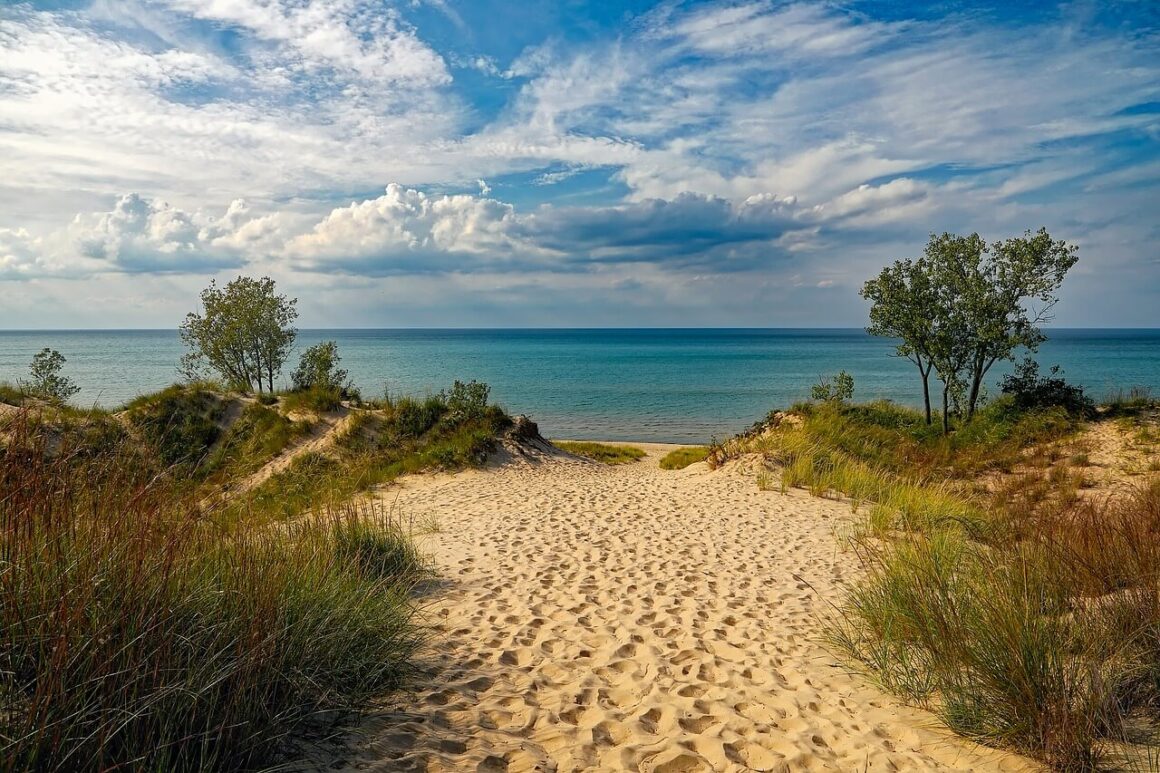
    Indian Dunes State Park

    1. West Lafayette

    West Lafayette is a city that belongs to Wabash Township in Tippecanoe County of Indiana. The Wabash River separates this town from its sister city Lafayette. According to the latest available data, West Lafayette has 44,595 residents. The city is among the most densely populated in the entire state, and it’s also the home of Purdue University. According to various sources, West Lafayette is the safest city in Indiana.

    Augustus Wylie was responsible for laying out the city plan in 1836, but due to floods from the Wabash River, he backed out, leaving the land empty. A new village was established in 1888 and operated under the name Chauncey until it was changed to Lafayette. In 2013, West Lafayette separated from the rest of the city.

    West Lafayette has low salaries and an extremely high poverty rate. The median household income is $34,650, and the per capita earnings amount to only $21,041. Approximately 38% of residents are living in poverty.

    Despite the impoverished population, the West Lafayette, Indiana crime rate is 791 per 100,000 residents, and in 2019, the police reported 357 property and 32 violent crimes.

    If you’re interested in relocating to West Lafayette, know that the median gross rent is higher than the state average at $912, and the median house price is $283,600.

    2. Westfield

    Westfield is part of Hamilton County of Indiana and belongs to the Indianapolis Metro Area. The latest official data shows that the city has 46,410 residents. With a crime rate of only 819 per 100,000 people, Westfield is among the safest cities in Indiana. In 2019, residents reported only 338 property and 16 violent crimes.

    North Carolina Quakers Ambrose Osborne, Asa Bales, and Simon Moon founded the city in 1834, with the primary purpose of creating an essential railway stop for the Underground Railroad. The town’s official incorporation came in 1849, and Westfield became a city of Indiana in 2008. Due to the city’s growing population, Westfield’s officials are planning a significant revitalization of the downtown, which will include a city hall and a new library.

    Aside from being one of the safest neighborhoods in Indianapolis, Westfield also offers high earnings. The median household income sits at $98,376, and the per capita earnings amount to $42,592, with only 6% of residents living in poverty. 

    As it’s among the best options for relocation, properties in Westfield are more expensive than in other cities. The median home price is $355,800, while the median gross rent sits at $1,207.

    3. Fishers

    Fishers is a city in Hamilton County, and it belongs to the Delaware and Fall Creek townships. With a population of 98,977, Fishers is among the most populated and best place to live in Indiana, as its residents enjoy a high quality of life.

    The city’s history dates back to 1802, when William Conner settled in the area and built a trading post and a cabin. 

    Settlers were attracted to the area after Indiana became an official state, and the second big population growth was in 1849 after the Peru & Indianapolis Railroad was built. The town was known as “Fisher’s Switch,” but only the Fishers part remained after the post office was built in 1908. In 2015, Fishers became an official city of Indiana.

    If we look at the Indiana crime rate by city, the Fishers crime rate is 822 per 100,000 people, and in 2019, residents committed a total of 51 violent and 734 property offenses.

    The median household income in Fishers is very high at $109,454, and the per capita income is above average, at $51,312. Less than 3% of residents live in poverty, and the median gross rent is $1,250, and the median house price is $344,600.

    4. Hartford City

    Hartford City is the center of Blackford County, and it lies in the northeast central part of Indiana. Hartford City has 6,086 residents, and it’s in the top safest and cheapest cities in Indiana.

    The city’s original name was “Hart’s ford,” which marked a place to cross Lick Creek. Hartford City used to be a small farming community that experienced a substantial economic boom in the late 1880s. The boom was a result of the discovery and exploitation of the natural gas that was present in the land around Hartford City.

    The earnings of the residents of Hartford City, however, are below the state average. The median household income in the town sits at $34,850, and the per capita earnings amount to $22,680, with nearly 16% of residents living in poverty. 

    On the upside, Indiana crime statistics show that Hartford City is among the safest ones in the state. The crime rate per 100,000 people sits at 840 offenses, and there were 33 property crimes and 15 violent offenses in the city in 2019.

    Properties are affordable, with a median house price of only $70,400 and a median gross rent of $633.

    5. Tipton

    Tipton is the county seat of Tipton County, and it belongs to the Kokomo Metropolitan Area. The 2020 census showed that the city has 5,275 residents, and Tipton is one of the safest towns in Indiana, with a moderate to low cost of living.

    Until 1845, the area that is now Tipton was mostly empty, but all that changed when the post office called Canton was supposed to be built. There was already another town of the same name in Indiana, so residents chose something else. The town of Tipton was finally named in honor of John Tipton, a war veteran, and a politician who served as the United States Senator for Indiana. Tipton became an incorporated city of Indiana in 1884.

    As one of the safest places to live in Indiana today, Tipton has a crime rate of 848 offenses per 100,000 people, and in 2019, law enforcement reported 34 property and only nine violent crimes.

    The median household income is close to the state average at $52,538, and the per capita income is $25,839. Around 11.1% of residents live in poverty, which is below the average for Indiana, and rents are cheaper than in most other cities. The median gross rent sits at $775, and the median house cost is $146,800.

    6. Carmel

    Carmel is a suburb of Indianapolis, and it belongs to Clay County. If we were to list cities in Indiana by population, Carmel would be in the top largest ten, with 99,757 residents. Many people know Carmel as the “Roundabout Capital of the United States” as there are over 130 roundabouts in this city. Interestingly enough, one of the first electronic automated traffic signals was constructed there.

    Carmel’s original name was Bethlehem. It was founded by Quakers Seth Green, Alexander Mills, Daniel Warren, and John Phelps. As Indiana already had a post office with that name, the town had to change the name to Carmel in 1874, and that same year, it officially became a town of Indiana. 

    Some ask the question, “is Carmel, Indiana safe?”. Especially for low incidences of violent crime, Carmel is very safe. Its crime rate is only 878 per 100,000 residents, and in 2019 the police reported 30 violent and 807 property crimes.

    People living in Carmel earn way above the state average. With per capita earnings of $60,895 and a median household income of $112,765. Only 3.5% of residents live in poverty, and the median house price in Carmel is $437,80, with a median gross rent of $1,207.

    7. Crown Point

    Crown Point is the center of Lake County. This city is among the best places to live in Indiana near Chicago, as it’s just 47 miles away, and according to the latest official estimates, Crown Point has 33,899 residents.

    Crown Point is commonly referred to as the “Hub of Lake County.” The first settlers of the area were the Robinson family, and in 1837, the family donated money for a wooden county house enabling Crown Point to become the county seat. 

    Crown Point officially became a city of Indiana in 1868. A new courthouse called “Grand Old Lady” was built in 1878, while the old one was placed on the National Register of Historic Places. Even though it’s one of the safest cities to live in Indiana today, Crown Point’s reputation was tarnished in the 1930s because of a famous prison break by John Dillinger.

    Residents of Crown Point earn above the state average, with a median household income of $76,927 and a per capita income of $35,670. Less than 6% of residents live in poverty, and rents are higher than average. The median gross rent is $1,046, and the median house price is $282,300.

    Crown Point is one of the safest cities in Indiana near Chicago, with a crime rate of 979 per 100,000 people, and in 2019, residents reported 290 property and seven violent crimes.

    8. Noblesville

    Noblesville is the county seat of Hamilton County. It’s a suburb of Indianapolis and belongs to the townships of Fall Creek, Delaware, Wayne, and Noblesville. Currently, the city has 69,604 residents.

    With a crime rate of only 1,007 offenses per 100,000 residents, Noblesville is among the safest cities in Indiana, and in 2019, the police reported a total of 32 violent and 618 property crimes.

    The first settler of the area was William Conner, the founder of Fishers. The second important settler of the town was Josiah Polk, and together they laid out the downtown and opened a trading post. 

    There are two stories of how the city got its name: The first claims that the city was named after James Noble, who was a U.S. senator, and the second says the city received the name after Lavina Noble, Josiah Polk’s fiancée. 

    As one of the best cities in Indiana to relocate to, Noblesville has a median household income of $82,218 and per capita earnings of $37,275. Around 6.5% of residents live in poverty, with the median house price settling a bit higher than in most other cities, at $284,600, and the median gross rent is $1,039.

    9. Portland

    Portland is the county seat of Jay County in Indiana. It’s part of Wayne Township, and the latest official data shows that the city has only 6,320. That makes it one of the best small towns to live in Indiana.

    The city’s history dates back to 1837 and it’s the only community in Jay County which didn’t change its original name after the county started developing. This town had only about 300 residents during the 1850s, but the population drastically increased by 1871 with the arrival of the first train.

    Residents of Portland earn below the Indiana average and have a high poverty level. The median household income in the city is $38,281, and the per capita earnings are $21,133, with more than 15% of Portland residents living in poverty.

    Still, Portland is among the top safest cities in Indiana. The city’s crime rate is 1,269 crimes per 100,000 people, and there were 65 property offenses and 12 violent crimes in Portland in 2019. Properties are inexpensive, with a median house price of $101,400 and a median gross rent of $660.

    10. Greenfield

    Greenfield is another city that’s also a county seat. It belongs to Hancock County and is part of the Indianapolis Metro Area. The city lies within the borders of Center Township and is one of the best cities to live in Indiana for all those looking for a medium-sized city with many fun activities. Around 23,488 reside in Greenfield.

    Greenfield used to be a vital stop along the Pittsburgh, Cincinnati, Chicago, and St. Louis Railroad. This railroad connected Pittsburgh to St. Louis and Chicago, and after forming Hancock County, residents decided to make Greenfield the county seat in 1828. In 1876, Greenfield officially became a city, and about ten years later, residents discovered natural gas, which led to a massive population boom.

    Greenfield’s economy is connected to the capital, and it’s one of the best areas to live in Indianapolis. Residents earn close to the state average, with per capita incomes of $27,590 and median household incomes of $53,270. Around 11% of people live in poverty. Rents are similar to the state average, with a median gross rent of $867 and a median house price of $191,200.

    Greenfield has a crime rate of 1,425 per 100,000 people, and in 2019, residents reported 304 property and 21 violent crimes.

    Safest Cities in Indiana

    11. Fort Wayne

    Fort Wayne is the center of Allen County, located in northeastern Indiana, and it currently has a population of 263,886 people.

    The United States Army built Fort Wayne in 1794 under the direction of General Anthony Wayne, after whom the city got its name. Throughout history, Fort Wayne was a famous manufacturing town on the Rust Belt. 

    Today’s economy is based on transportation, healthcare, services, distribution, hospitality, and financial services. It’s also a vital city for the defense industry, and due to its variety, Fort Wayne is among the best towns to live in Indiana for working people. The city has won an All-America City Award multiple times as well as an Outstanding Achievement City Livability Award.

    Salaries in Fort Wayne are below the average for Indiana, though, with per capita earnings of $26,970 and median household incomes of $49,411. Around 16% of residents live in poverty, and properties are cheaper than in most other cities. The median gross rent is $764, and the median house price is $172,600.

    The Fort Wayne, Indiana crime rate is above the state average at 3,123 per 100,000 people, and there were 7,437 property and 974 violent offenses in the city in 2019.

    12. Bloomington

    Bloomington is a city in central Indiana, and it’s the county seat of Monroe County. It currently has 79,168 residents, which places it on the list of top ten most populated cities in the state. As it’s the home of Indiana University Bloomington, the largest campus of Indiana University, a large number of residents are students. 

    Because of its youthful spirit, Bloomington is among the cities that first come to people’s minds when asked, “what is the best area to live in Indiana?”. 

    Bloomington was established in 1818 when a group of settlers from surrounding states discovered the “haven of blooms.” The first post office started working in 1825, attracting new residents, and two years later, Bloomington officially became a city of Indiana.

    Despite many awards praising its quality of living, salaries in Bloomington are below Indiana average. The median household income in the city is $37,077, and the per capita income is $23,816. More than 35% of residents live in poverty, which is almost three times higher than the state average.

    The Bloomington, Indiana crime rate sits at 3,194 offenses per 100,000 people, and residents reported 2,275 property and 463 violent crimes in 2019.

    If you still think moving to Bloomington is a good idea, the median gross rent is $917, and the median home cost sits at $256,600.

    13. Kokomo

    Kokomo is the county seat of Howard County. It’s also the principal municipality of the Kokomo Metro Area, which encompasses a total of six counties. Kokomo has 59,604 residents, and official numbers show a considerable increase in Kokomo’s population in recent years. The Indiana crime map may tell a different story, though.

    The city got its name after Chief Kokomo. He was a Native American of the Miami tribe who spent a part of his life in Indiana. The discovery of natural gas in the 1880s attracted many residents, which led to an economic boom. The automobile industry was also popular at that time, and it remains the staple of Kokomo’s economy.

    Residents of Kokomo earn below the state average, with the median household income being $45,797 and the per capita earnings of $26,398. Nearly 19% of residents live in poverty.

    The Kokomo, Indiana crime rate sits at 3,259 offenses per 100,000 people, which is above the state average, however, and in 2019, the police reported 392 violent and 1,493 property crimes.

    Properties are affordable, with a median house price of $124,800, and a median gross rent of $695.

    14. Muncie

    Muncie is the principal city of the Muncie Metro Area and the county seat of Delaware County. It’s located in East Central Indiana, around 50 miles away from Indianapolis, and according to the latest stats, the city has 65,194 residents. 

    This beautiful city is the home of Ball State University and is known as the best city to live in Indiana for researchers, as it’s one of the most studied places in the U.S. 

    When the Lenape people arrived in the area, they created a couple of small villages along the White River, and one of them was Muncie. The city’s original name was Muncietown, and it, at first, was a tiny trading post before becoming the county seat in 1827. Since then, it has become a manufacturing and industrial center. Muncie officially became a city of Indiana in 1865, and it experienced a rise in population after the Indiana gas boom.

    The Muncie, Indiana crime rate sits at 3,655 per 100,000 people, which is above the state average, and in 2018, residents reported 2,281 property and 219 violent crimes. The median household income is very low at $33,944, and the per capita earnings are $20,386, with over one-third of residents living in poverty.

    The city offers relatively low housing costs, with a median house price of $100,500 and a median gross rent of $722.

    15. Lafayette

    Lafayette is the county seat of Tippecanoe County, and it’s the principal city of the Lafayette Metro Area. It’s full of parks, museums, and things to do, but many wonder, “is Lafayette, Indiana safe?” due to the area’s growing reputation for crime.

    It was founded in 1825 when the first residents liked the area on the southeast bank of the Wabash River. The city gained its name after the French general Marquis de Lafayette, a hero in the Revolutionary War.

    The most recent data on the Lafayette population tells us that the city has 70,783 residents. Residents earn less than most other people living in Indiana, with per capita earnings of $26,197 and a median household income of $46,374. Nearly 17% of residents live in poverty.

    The Lafayette, Indiana crime rate is high and sits at 3,775 offenses per 100,000 residents, and there were a total of 352 violent crimes and 2,388 property offenses in Lafayette in 2019.

    Properties are not as cheap as the low income might make you think. The median house price in Lafayette is $176,300, and the median gross rent is $817.

    16. Gary

    Gary belongs to Lake County of Indiana and is only 25 miles away from Chicago, Illinois. The city is close to the Indiana Dunes National Park and Lake Michigan, making it an excellent choice for nature lovers.

    It was once one of the best places to live in southern Indiana, but now, Gary is practically a ghost town. Many residents claim that almost a third of the houses in the city are empty. Just like many cities in the Rust Belt, Gary experiences a decaying infrastructure and low employment rates. Today, Gary has only 69,093 residents.

    Gary was established in 1906 and gained its name in honor of the lawyer Elbert Henry Gary, the founding chairman of the United States Steel Corporation. In the first 30 years, Gary was among the most prosperous towns in the area, with over 100,000 residents.

    Today, the Gary, Indiana crime rate is 4,111 per 100,000 residents, which comes as no surprise considering the state of the economy. In 2019, residents committed 2,656 property and 414 violent crimes.

    The median household income in Gary is below average at $31,936, and the per capita earnings are just $19,448. More than 30% of residents live in poverty, and the median home cost is $57,100, and the median gross rent sits at $785.

    17. Evansville

    Evansville is the county seat of Vanderburgh County, and it’s the principal city of the Evansville Metro Area. It has 117,298 residents and ranks third on our list of Indiana towns by population. 

    This city is the hub of cultural, medical, and commercial activities in the south of the state. There are three NYSE companies with headquarters in Evansville: Berry Global, OneMain Financial, and Accuride. 

    The city’s nicknames are the “River City” and “Crescent Valley.” Evansville is the home of the University of Southern Indiana and the University of Evansville.

    Evansville became a town in Indiana in 1812, but its official incorporation came in 1817. The city got its name after General Robert Morgan Evans, an influential figure and the ninth Speaker of the Indiana House of Representatives.

    The Evansville, Indiana crime rate is 4,790 per 100,000 people. That’s over two times higher than the state average, and in 2019, the police reported 721 violent and 4,917 property offenses.

    The median household income in Evansville falls below the state average at $40,178, and the per capita earnings are $24,675. Almost 22% of residents live in poverty, but properties are inexpensive, with the median gross rent sitting at $774 and the median house price at $159,400.

    18. Anderson

    Anderson is the county seat of Madison County in Indiana, and the principal municipality of the Anderson Metropolitan Area. It’s not one of the safest counties in Indiana, but it is the headquarters of the Church of God and the home of Anderson University.

    Anderson was founded in 1823, where a Delaware Indian village once existed. It gained its name after Koktowhanund, also known as Chief William Anderson. The city’s population and economic growth started in 1886 when residents discovered an abundance of natural gas in the area. Currently, Anderson has 54,788 residents.

    Anderson residents have a lower quality of life. The median household income is $31,936, and the per capita earnings are $19,448. Over 30% of residents live in poverty, and the Anderson, Indiana crime rate is very high at 4,259 per 100,000 people. In 2019, law enforcement reported 2,096 property and 242 violent crimes.

    Property values remain low, with a median home value of only $73,000 and a median gross rent of $757, which is below the state average.

    19. Indianapolis

    Indianapolis is the state capital and the largest city in Indiana, and it’s the county seat of Marion County. According to the 2020 census data, “Indy” as many call it, has 887,642 residents.

    As it offers the largest number of options, Indianapolis is the first choice for many potential residents, which raises the question: “is Indianapolis safe to live?”. The city has a crime rate of 5,402 offenses per 100,000 people, and it’s among the most dangerous cities in the country. In 2019, residents reported 36,237 property and 11,170 violent crimes.

    Still, the population of Indianapolis has been on the rise for decades. It first became famous upon the completion of the National and Michigan roads and the arrival of the railway, giving it the nicknames “Crossroads of America” and the “Railroad City.”

    While it’s not the safest option to move to, Indianapolis offers so many possibilities. Some areas are better than others, so looking at the Indianapolis crime rate by neighborhood can help find a safe haven in this bustling metropolis. A typical home costs $183,000, and the median gross rent is $892.

    Residents of Indianapolis earn below the state average, with a median household income of $47,873 and per capita earnings of $28,363. About 18% of people live in poverty.

    20. South Bend

    As the county seat of St. Joseph County and one of the largest cities in Indiana, South Bend is a crucial region in the state. It’s the principal city of the South Bend Metro Area, and according to the latest estimates, it has 103,453 residents.

    The South Bend, Indiana crime rate is exceptionally high, with 5,545 offenses per 100,000 people. There were 1,357 violent and 4,296 property crimes in the city in 2019. 

    South Bend does offer many possibilities, however. The biggest industries in the city are education, tourism, health care, and small business. The city is currently developing a technology center, and officials believe it will attract new residents. They might be right because, despite being among the most dangerous cities in Indiana in 2021, the city is experiencing its first population growth in 50 years.

    The per capita income in South Bend is $22,863, and the median household earnings are $40,265. Nearly 24% of residents live in poverty, which is above the state average. The median gross rent is below average, at $789, and the median house cost is only $138,500.

    Safest Cities in Indiana – Conclusion

    If you’re looking for your next home in America’s midwest, Indiana is a popular choice. While its crime rate may not be ideal, when compared to its neighbors it’s a friendly and secure place with a rich heritage.

    Like with most places, the safest cities in Indiana are often the smallest ones, offering lower costs of living in exchange for lower levels of opportunity. That being said, it’s a great place for retirees looking for a quieter life or students who want to find themselves in a bustling University town.

  • Safest Cities in Missouri

    Safest Cities in Missouri

    With beautiful mountains and the perfect balance between urban and rural landscapes, Missouri offers something for everyone. If you’re considering moving to this state, knowing a list of the safest cities in Missouri will help you choose a perfect place that’s both safe and what you want out of life. Find our rankings of the most popular cities in the state and the places with the highest crime rates. 
    About Missouri

    Missouri lies in the Midwestern region of the United States and has 6,154,913 residents. It borders eight states: Nebraska, Kansas, Oklahoma, Arkansas, Tennessee, Kentucky, Illinois, and Iowa. Along with some of the best cities in Missouri, the south portion of the state is enriched with the Ozark Mountains, which bring minerals, timber, and many fun activities. 

    Missouri gained its name after the Missouri river. When French settlers came to the area, they decided to name the river by a group of indigenous people who populated that portion of the land. Economically, Missouri has a unique blend of urban and rural landscapes, creating a balance between high levels of industrial activity, and agricultural and farming. 

    Is Missouri a Dangerous Place to Live?

    The average crime rate in Missouri is 3,134 per 100,000 people, ranking above the national average. Notably, Missouri is more dangerous than most other states, ranking eighth for violent crime.

    The explanation for this crime rate isn’t all just interpretations about economic status, as the median household income in Missouri sits at $55,461, and the per capita earnings amount to $30,810. Almost 13% of residents live in poverty.

    Safest Cities in Missouri for 2022

    Francis Quadrangle - Missouri

    1. Cottleville

    Cottleville is a city in Missouri that is part of St. Charles County, and it has a population of 5,611 residents. 

    Cottleville was founded in 1798, but the actual site wasn’t laid out until 1839. It was named in honor of Captain Lorenzo Cottle, an early settler and a veteran of the Seminole Wars and the Black Hawk War. In 1843, residents built a post office, which attracted more people to the area.

    Even though it’s pretty small, Cottleville is among the best cities in Missouri for families. The town boasts excellent schools, such as the Francis Howell Central High School, Louis C. Saeger Middle School, and Warren Elementary School, and the children of Cottleville also attend St. Joseph Catholic School.

    Residents of Cottleville enjoy a high quality of living. The median household income in the city is above the Missouri average, sitting at $108,036, and the per capita earnings amount to $51,118. Only 4.2% of residents live in poverty.

    The official data shows that Cottleville is the safest city in Missouri. Its crime rate is only 701 per 100,000 residents, and law enforcement reported five violent and 36 property crimes in 2019.

    If you’re interested in moving to this city, you should know that the median gross rent is $1,241, and the median house price sits at $354,200.

    2. Savannah

    Savannah is the county seat of Andrew County and is among the smaller cities in Missouri, with a population of only 5,069 residents.

    Those wondering what city in Missouri has the lowest crime rate should look into Savannah as its crime rate is only 844 offenses per 100,000 residents. In 2019, law enforcement filed reports for 43 property crimes and one violent offense.

    Savannah was founded in 1841, and it gained its name in honor of the child of the first settler, Savannah Woods. The city came to life after the residents opened a post office in the area. About 50 years later, in 1898, Andrew County Courthouse was built in Savannah, and the courthouse became a part of the National Register of Historic Places in 1980.

    While it’s one of the safest towns, Savannah is not among the best cities to live in Missouri if you’re looking for a high salary. The median household income is $49,042, and the per capita earnings sit at $24,949. Still, the percentage of residents living in poverty is below the state average at 9.2%, indicating a balance in the potential earnings and cost of living. 

    The median house price in Savannah is $165,900, and the median gross rent is below the average for Missouri, at $753.

    3. Glendale

    Glendale belongs to St. Louis County of Missouri. The latest official data shows that the city has 6,176 residents, and it is a perfect place of residence for everyone Googling “what is the safest small town in Missouri” trying to find a secure and small community to relocate to.

    The city gained its name after a small station on the Missouri Pacific Railroad. First, residents came to the town during the Civil War, then after a few failed attempts, Glendale officially became a city of Missouri in 1916. Today, Glendale is a planned community mostly restricted to one-family units. That’s why various publications named the city the best place to live in Missouri.

    Another reason to move to Glendale is high income. The median household earnings in the city are $140,184, and the per capita income is above the state average, at $61,806. Less than 4% of residents live in poverty, but higher earnings seemingly come with more expensive properties. The median house cost in Glendale is $446,200, and the median rent is also high, at $1,407.

    It’s safe to say that properties are well worth the price as Glendale is one of the safest cities in Missouri. Its crime rate is 988 per 100,000 people, and in 2019, residents reported 57 property offenses and only one violent crime.

    4. Odessa

    Odessa belongs to the Lafayette County of Missouri. It’s a city near Kansas, which makes it part of the Kansas City Metro Area, and it currently has 5,593 residents.

    The city was founded in 1878, and the name was inspired by one of the most populated cities in Ukraine. After the post office opened, Odessa became home to many new residents. Still, the population increase wasn’t significant and it remains one of the smallest but safest places to live in Missouri.

    Among the prominent buildings in this city is the Odessa Ice Cream Company Building. It’s a commercial real estate and an ice cream factory built in 1929. It’s a historical clay block and brick building, and in 1996, it was listed on the National Register of Historic Places.

    The residents of Odessa earn below the Missouri average, with a median household income of $52,684 and a per capita income of $24,988. A large number of people live in poverty at 13.2%, but it is one of the best towns to live in Missouri for affordable housing. The median house price is $159,800, and the median gross rent is $721.

    Odessa is among the safest towns in the state, with a crime rate of 1,002 per 100,000 residents, and there were 43 property and nine violent crimes in the city in 2019.

    5. Nixa

    Nixa is the principal city of the Springfield, Missouri Metro Area. It’s the second-largest city in the area, with a population of 23,257, and is part of Christian County.

    The Nixa, Missouri, crime rate is 1,070 per 100,000 residents, and in 2019, the police reported a total of 209 property and 29 violent crimes.

    The original population of Nixa consisted of farmers who utilized the wooded streams in the area, and this space was a major crossroad between Springfield and Arkansas. After opening the first post office, the residents named the city Nixa. The first part of the name, “nix,” was chosen because the space was “nothing but a crossroads,” and the residents added the letter “a” after a prominent resident Nicholas A. Inman. 

    Besides being a city with a low crime rate in Missouri, Nixa is also a place with a moderate quality of life. The median household income is $58,402, and per capita earnings sit at $26,825. Approximately 9% of residents live in poverty, and the median home price is $234,700, while the median gross rent amounts to $834.

    6. Kearney

    Kearney belongs to Clay County of Missouri and is part of the Kansas City Metro Area. The latest official data shows that the city has 10,404 residents. The combination of a lower crime rate and higher income potential make Kearney possibly the best place to retire in Missouri.

    Kearney is famous as the birthplace of Jesse James, a famous American outlaw, and every year, the residents hold a festival on the third weekend of September in his name.

    David T. Duncan and W.R. Cave founded Kerney in 1856. Back then, it was a town called Centerville, which encompassed the southeastern part of today’s Kearney. About ten years later, John Lawrence laid out the plan for a new community near Centerville. The community received its name after the president of the Hannibal and Saint Joseph Railroad, Charles E. Kearney. The two towns came together, making the town Kearny which was incorporated in 1869.

    Missouri crime statistics tell us that the crime rate in Kearny sits at only 1,081 offenses per 100,000 people. In 2019, residents reported seven violent crimes and 109 property offenses.

    The median household income in Kearny amounts to $85,561, which is above the average for Missouri, and the per capita earnings are $31,391. Only 2.6% of people live in poverty, although properties are some of the most expensive in the state, with a median gross rent of $1,063, and a median house cost of $311,400.

    7. Battlefield

    If you’ve spent some time Googling “what’s the safest city in Missouri to live in,” then you’ve probably already heard of Battlefield. This city belongs to Greene County of Missouri and is part of the Springfield Metro Area. According to the 2020 census, Battlefield has 5,990 residents.

    Battlefield gained its name because of its proximity to the Battle of Wilson’s Creek. This battle happened in 1861, and it was one of the first larger battles in the American Civil War. When residents opened a post office called Battlefield, many people relocated to the area, and it was incorporated in 1971.

    This city may not be the safest place to live in Missouri, but it’s pretty high on the list. Its crime rate is 1,134 per 100,000 people, and in 2019, the police filed reports for 72 property crimes and zero violent crimes.

    The median household income in Battlefield is below the Missouri average, at $61,373, and the per capita earnings fall slightly below the state average at $27,718. Nearly 8% of residents live in poverty, and the median gross rent is lower than in most other cities in Missouri, at around $773, and the median house price is $212,400.

    8. Smithville

    Smithville is another smaller city and one of the safest places to live in Missouri. It’s part of Platte and Clay counties and belongs to the Kansas City Metro Area. Currently, the city’s population is 10,406 residents.

    Smithville was named after Humphrey “Yankee” Smith, one of the first settlers in the area. In the beginning, the city’s name was “Smith’s Mill,” but over time, the residents changed the name to “Smithville” so it was easier to pronounce. The city is famous for being the birthplace of famous actors Wallace and Noah Beery, Sr. Interesting places to see in Smithville are the Downtown Smithville Historic District and Aker Cemetery.

    According to the Missouri crime map, Smithville is among the safest towns in the state. Its crime rate is 1,181 per 100,000 residents, and in 2019, there were a total of 109 property offenses and 15 violent crimes.

    Residents of this city earn more than most other Missourians. The median household income is $82,398, and the per capita income totals $33,509. Around 6% of residents live in poverty, and rents are below average, with a median gross rent of $799 and a median house price of $297,700.

    9. Maryville

    Maryville is at the top of many lists of the 10 best places to live in Missouri. It is the county seat of Nodaway County and has 10,633 residents. This city is home to Northwest Technical School and Northwest Missouri State University. 

    Maryville was established in 1845 and was named in honor of Amos Graham’s wife. Graham was the town’s first postmaster, and throughout the years, the city was incorporated and annulled several times. The last incorporation came in 1869 after the arrival of the Kansas City, St. Joseph, and Council Bluffs Railroad to the area. Ten years later, Wabash Railroad came to the town, attracting many residents.

    Marville may be one of the safest cities in Missouri in 2020, but if you’re looking for a high-earning position, it may not be the best choice. Residents of this city earn way below the state average, with per capita earnings being $19,215, and the median household income is $34,258. Over 30% of residents live in poverty, which is more than double the state average.

    Still, Maryville is one of the safest places in Missouri. The crime rate in the city is 1,185 offenses per 100,000 residents, and in 2019, law enforcement reported 130 property crimes and eight violent crimes.

    Housing is relatively affordable in Maryville, with a median home price of $162,900 and a median gross rent of $665.

    10. Wentzville

    Wentzville belongs to St. Charles County and is officially a suburb of St. Louis. According to the latest official estimate, the city has 44,372 residents. It’s one of the safest places to live in St. Louis and the fastest growing city in the state. If you want to visit this city, you should do it during two major events: the St. Charles County Fair and the St. Louis Renaissance Festival.

    Wentzville was founded in 1855 and was named after Erasmus Livingston Wentz. He was the chief engineer of the Northern Missouri Railroad. Four years later, the first post office in Wentzville started working, which led to its first population increase. The Wentzville Tobacco Company Factory is a historic site in town and has been on the National Register of Historic Places since 1990. 

    As one of the safest cities in southern Missouri, Wentzville has a crime rate of 1,254 per 100,000 people, and in 2019, residents reported 88 violent and 450 property crimes.

    The residents of Wentzville earn above the state average. The median household income is $90,403, and per capita earnings amount to $34,133. Only 5.6% of people live in poverty, but the cost of living is more expensive than in most other cities, with a median gross rent of $1,009, and a median house price of $304,400.

    Kansas City - Missouri

    11. Clayton

    Clayton is the county seat of St. Louis County of Missouri. It borders St. Louis, contributing to a thriving commuter relationship between cities, and currently, the population of Clayton consists of 17,355 people. 

    The city received its name after Ralph Clayton, a farmer who settled in the area during the 1830s. He donated the land for the town’s courthouse at the center of town, and all of the economic activity was focused on that part of the area. A few years later, a trolley service, newspaper, and school were established.

    Clayton, MO population, enjoys a high quality of living. The median household income is exceptionally high at $107,596, the per capita income is $67,726. Around 8% of residents live in poverty, and the cost of living is equally high, with a median gross rent of $1,249 and a median home price of $766,900.

    Clayton is a pretty safe city. Its crime rate is 1,453 offenses per 100,000 residents and is one of the lowest in the state. In 2019, the police filed reports for 234 property crimes and 12 violent offenses.

    12. Florissant

    Named the best city to live in Missouri by many, Florissant is a smaller city with a lot to offer. It’s part of St. Louis County, and it belongs to the Greater St. Louis Area, and the city currently has 52,533 residents.

    Initially, the Florissant was a village called “Fleurissant,” which is a French word that means “blooming,” and was home to many French and Spanish settlers. The first significant population boom came after World War II, when many big developers such as Alfred H. Mayer Co. started investing in the city, and at one point, Florissant was the largest city in St. Louis County.

    The Florissant, MO crime rate is below the state average, and it sits at 2,326 per 100,000 people. The latest available data shows that there were 1,079 property and 115 violent crimes reported during a year.

    The median household income in Florissant is $54,978, which is close to the state average. The per capita earnings amount to $25,647, and over 11% of residents live in poverty. The median gross rent is above the average for Missouri at $1,034, and the median house cost is $144,700.

    13. Jefferson City

    Among the most populous cities in Missouri, Jefferson City is the capital of Missouri and also the principal municipality of the Jefferson City Metro Area. Its population is 43,228, and it is home to Lincoln University, which was founded in 1866.

    Jefferson City was a pretty insignificant village called “Lohman’s Landing” in Missouri until it became the state’s capital. Most experts believe that the city was chosen as the capital because it’s halfway between St. Louis and Kansas City. 

    Despite its size, Jefferson City doesn’t have a high crime rate. The city’s official crime rate is 2,851 offenses per 100,000 people, which is below the average for Missouri. Missouri crime stats from 2019 show that there were 1,101 property and 119 violent crimes committed in Jefferson City.

    The median household income in Jefferson City is $52,253, which is slightly above the state average, and the per capita earnings amount to $28,073. Nearly 13% of residents live in poverty, and the median house price there is $183,600, and the median gross rent is $634.

    14. Columbia

    Columbia is the county seat of Boone County and the principal municipality of the Columbia Metro Area. It’s among the largest cities in the state, with 126,254 residents, and is home of the University of Missouri.

    The Columbia, MO, crime rate is 2,915 per 100,000 residents which is below the state average, and in 2019, law enforcement reported a total of 401 violent and 3,243 property crimes.

    Earnings of Columbia residents are close to the state average. The per capita income is $30,244, and the median household earnings are $51,276. Almost 22% of people live in poverty, which is almost 10% above the average for Missouri. The median gross rent is similar to the state average at $887, and the median house cost is $229,500.

    Columbia is technically a Midwestern college town. The safest neighborhoods in Columbia, MO that are a popular choice for new residents are McBaine & Pierpont, Huntsdale, and Harg & Shaw. Besides the University of Missouri, the “Athens of Missouri” is also the home of Stephens College and Columbia College.

    15. Hazelwood

    Hazelwood belongs to St. Louis County and is part of the Greater St. Louis Area. According to the latest official estimates, this city has 25,458 residents. Hazelwood is close to the St. Louis-Lambert International Airport and connected to the rest of the country via the interstate. While it doesn’t have the lowest crime rates, it hosts some of the safe neighborhoods in St. Louis.

    The first explorers in the area were French, and they came to Hazelwood in the late 1600s. At first, the city’s name was Louisiana after King Louis XIV. The French later sold the land to Spain in the 1700s, and after that, settlers from Charlottesville and Virginia populated the area. 

    Hazelwood residents earn slightly above the state average, with a median household income of $54,573 and per capita earnings of $31,689. Around 11% of residents live in poverty. Rents are similar to the average for Missouri, with a median gross rent of $884and a median house price of $136,900.

    The Hazelwood, MO, crime rate sits at 3,213 per 100,000 residents, and in 2019, the police reported 113 violent and 695 property crimes.

    16. Raytown

    Raytown is part of Jackson County of Missouri, and it’s a suburb of Kansas City. The latest official data shows that the city has 30,012 residents.

    Residents of Raytown earn close to the state average, and the median household income sits at $52,662, with per capita earnings of $27,576. Around 12% of residents live in poverty, which is below the Missouri average, and the median gross rent is $916, while the median house price sits at $168,200. As one of the good places to live in Missouri, Raytown has a moderate standard of living. 

    The area around Raytown wasn’t developed until the late 19th century when pioneers on the Three Trails found a bit of fertile land and water in the area. The travelers who found it claimed that nature reminded them of the Blue Ridge Mountains, which is why Raytown’s original name was Blue Ridge. In the 1840s, William Ray opened a blacksmith shop that attracted new residents, and the area around the shop was known as “Ray Town,” which is how the town’s name came to be.

    Today, the Raytown, MO, crime rate is higher than in most other cities in Missouri. It amounts to 5,164 per 100,000 people, and in 2019, residents reported a total of 200 violent and 1,294 property crimes.

    17. Kansas City

    Kansas City is the largest city in Missouri and the principal municipality of the Kansas City Metro Area. It mostly lies within Jackson County, but parts of it belong to Clay, Cass, and Platte counties. The city is also the most populated one in the state, and it has 508,090 residents. 

    The Kansas City, Missouri crime rate is 5,287 per 100,000 people, which is way above the state average. In 2019, the residents of Kansas City committed 19,124 property offenses and 7,099 violent crimes.

    In 1830, Kansas City was a vital port on the Missouri River, was incorporated in 1850, and officially became a city of Missouri in 1853. The town quickly attracted residents due to its location in between Missouri and Kansas, and the proximity of the Missouri and Kansas River made it a great place for settlements.

    Today you can hear Kansas City as the answer to, “where should you not live in Missouri?” Besides the high crime rate, the quality of living is relatively low, with over 16% of residents living in poverty. The median household income is $54,194, and the per capita earnings are $32,348. While residents of the city don’t earn above the state average, the median gross rent is higher than in most other cities at $941, and the median house price is $195,300.

    18. St. Louis

    St. Louis is among the largest cities in Missouri, with 301,578 residents. It’s the principal city of the Greater St. Louis Metro Area, which extends over two states: Missouri and Illinois.

    The St. Louis, MO crime rate is extremely high, which makes it one of the worst cities to live in. Still, its diverse economy offers many options, with Nine Fortune 500 companies housed there. The Federal Reserve Bank of St. Louis and the U.S. Department of Agriculture are also located in this city.

    St. Louis used to be a vital port on the Mississippi River, and in 1877, it separated from St. Louis County and became an independent city. During the 20th century, it was a world-class city and the host of the Summer Olympics.

    Besides safety, this city isn’t among the best places in Missouri to live because of its low-income potential. The median household income in St. Louis is $43,896, and the per capita earnings are $30,542. More than 21% of people live in poverty, which is way above average. The average rent in St. Louis is $828, and the median house price is $155,200.

    The crime rate is 8,111 per 100,000 residents, and in 2019, the police reported 5,792 violent and 18,582 property crimes. As with any city with a high crime rate, researching the safest neighborhoods in St. Louis will help find a location that’s secure and what you’re looking for. 

    19. Springfield

    Springfield is the county seat of Greene County and the third-largest city in Missouri. The city has 169,176 residents, and it is the principal city of the Springfield Metro Area which encompasses five counties. It’s the home to three major universities: Drury University, Evangel University, and Missouri State University, but you won’t find it on the safest places to live in Springfield, MO list anytime soon.

    While it’s not certain where its name comes from, many believe that Springfield got its name after the city in Massachusetts. There is a famous story about James Wilson, who offered free whiskey to other residents if they voted for the name Springfield. Wilson, who was one of the town’s first residents, was born in Springfield, Massachusetts.

    Springfield is in the top 10 ghetto cities in Missouri. Its crime rate is 9,312 per 100,000 residents, which is three times higher than the state average. In 2019, law enforcement reported a total of 13,188 property crimes and 2,571 violent offenses.

    Residents of Springfield earn less than most other Missourians, with per capita earnings of $23,428, and the median household income is $36,856. Nearly 23% of people live in poverty.

    The Springfield, MO, crime rate, and low earnings make the city unattractive to new residents, especially families. Still, in case you’re interested in moving there, you should know that the median house price is $171,600, and the median gross rent in Springfield is $744.

    20. Branson

    Branson is a smaller but well-known city in Missouri. Most of it belongs to Taney County, and a portion extends into Stone County. It’s a beautiful city in the Ozark Mountains with 12,638 residents. Branson comes with a darkside, though, as it’s also first thought when asked,
    “what is the most dangerous city in Missouri?”

    Even though it’s small, Branson is a popular tourist destination. The city’s main attraction is the collection of entertainment theaters in 76 Country Boulevard. The first famous theatre was opened in 1893, and it was called the Roy Clark Celebrity Theatre, which attracted many country music stars to the city.

    Branson was named after Reuben Branson. He was one of the first residents of the area, and he opened a general store and post office, which brought new residents to the town. Branson’s incorporation came in 1912.

    The Branson, MO, crime rate is the highest in the state at 10,661 offenses per 100,000 residents, and in 2019, the police reported 1,173 property and 73 violent crimes.

    Residents of Branson have lower earnings, with the median household income being $46,319 and a per capita income of $24,285. Around 16% of people live in poverty, and the median gross rent is close to the Missouri average, at $857. The median house cost in Branson is $173,100.

    Conclusion

    Despite its reputation for high crime rates, Missouri has beautiful, safe towns that could be an excellent choice for relocation. The safest cities in Missouri may not be the most exciting, but there are many smaller jurisdictions that provide the perfect balance between country living and city life. 

    Missouri is full of rich American history, beautiful scenes, and live entertainment that makes living there fun and sustainable. Some areas are definitely better than others for crime, though, so consider it all when looking for your new place to settle down.

  • Safest Cities in Tennessee

    Safest Cities in Tennessee

    The State of Tennessee lies in the Southeastern region of the United States. It’s a peaceful country that’s perfect for all those that like music and mountain activities. If you want to be one of the 6.9 million residents there, check out our rankings of the safest cities in Tennessee to get informed about where and where not to go. 

    About Tennessee

    With a total population of 6.9 million, Tennessee is the 15th most populated state in the United States. It got its name from the Native American word “Tana-see,” which means “the meeting place,” and is full of rich history and cultural charm. Tennessee borders eight states: Kentucky, Virginia, North Carolina, Georgia, Alabama, Mississippi, Arkansas, and Missouri.

    What is Tennessee Known For?

    The state’s nickname is “The Volunteer State,” due to a large number of volunteer soldiers during the War of 1812. At that time the state sent out more people to the Confederate Army than any other state.

    Tennessee is home to Nashville, the most famous country music location in the world. People from all over travel to witness stars in action or try their hand at becoming the next Dolly Parton, Garth Brooks, or Taylor Swift. 

    Tennesseans use around 80% of the state land for agricultural purposes. This state has more tree species than any other state in America.

    Is Tennessee Safe?

    Tennessee has one of the highest crime rates. Its crime rate is 3,248 per 100,000 residents, and the occurrence of violent crime ranks third in the entire country.

    Notably, Tennesseans report that they feel safe in Tennessee. This is likely due to the concentration of crime in certain big city areas that drive the rate up. 

    Earnings in Tennessee

    The median household income in Tennessee is $53,320, and the per capita earnings amount to $29,859. Nearly 14% of Tennesseans live in poverty.

    Safest Cities in Tennessee for 2021

    Waterfall in Tennessee

    1. Church Hill

    Church Hill belongs to Hawkins County of Tennessee. It’s part of the Kingsport-Bristol Metro Area and the “Tri-Cities” region, and it currently has 6,664 residents.

    Church Hill was first established as a trading post. It encompassed two stagecoach stops called Patterson Mill and Spencer Mil, and after a Methodist church opened in the area, the town received the name Church Hill. It was officially incorporated as a city in 1958.

    As one of the most attractive small towns in Tennessee, it has other popular sites, such as the Carter’s Store and Smith Place.

    Church Hill is also one of the safest towns in the state. Its crime rate is 150 per 100,000 residents, and in 2019, the police reported ten property and zero violent crimes.

    Residents of Church Hill earn below the state average, with a median household income of $46,024 and per capita earnings of $25,398. Over 15% of people live in poverty, properties are relatively cheap, with the median gross rent at only $593, and the median house price sits at $160,400.

    2. Mount Carmel

    In the top 10 best places to live in Tennessee by crime rate is Mount Camel. Mount Carmel is part of the “Tri-Cities region” that includes Bristol, Kingsport, and Johnson City. Its population consists of 5,294 people.

    Even though it’s famous for its level of safety, Mount Carmel has been facing economic hardship since the 1980s. The poor leadership and the outsourcing of municipal and retail services to Kingsport and Church Hill, neighboring communities, made it hard for Mount Carmel to surpass its problems. 

    Despite these issues, the residents of Mount Carmel have earnings that are pretty similar to the ones in other Tennessee cities, with a per capita income of $29,769 and a median household income of $53,253. Almost 13% of people live in poverty, and rent is cheaper than in most other towns in Tennessee, with the median gross rent of $682 and the median home price is $163,800.

    Mount Camel has an extremely low crime rate of 586 per 100,000 residents, and in 2019, law enforcement reported 29 property and only two violent crimes.

    3. Brentwood

    Brentwood is part of Williamson County in Tennessee. It’s among the best suburbs of Nashville for families and currently has 42,783 residents.

    When settlers first came to the state, they were drawn to Brentwood for its rich land. In 1810, John Frost came to the area and purchased the Mayfield Station. His home became the center for all business activities in that part of the state. Not long after, residents built a post office, general store, and grist mill. More and more residents came to Brentwood, establishing small farms and bigger plantations.

    Today, Brentwood is one of the best places to live in Tennessee. It is a city with a low crime rate and high salaries. The median household income in Brentwood sits at $168,688, which is way above the state average, and the per capita earnings amount to $72,854. Only 2.5% of residents live in poverty.

    In case you’re interested in living in this city, you should be prepared to pay more than what you would in other similar towns. The median gross rent in Brentwood is $2,085, while the median house cost sits at $894,600.

    Brentwood is among the safest places in Tennessee, with a crime rate of 953 offenses per 100,000 people, and in 2019, residents reported 374 property and 38 violent crimes.

    4. Loudon

    Loudon is the county seat of Loudoun County, and it’s part of the Knoxville Metro Area, which lies on the Tennessee River. According to the latest official data, Loudon has 5,890 residents.

    The residents of Loudon have moderate salaries that are close to the state average, and the per capita earnings amount to $24,125, with a median household income of $41,860. Around 13% of people from the area live in poverty.

    Loudon is one of the safest cities in Tennessee, with a crime rate of only 971 per 100,000 residents. In 2019, the police filed reports for a total of five violent crimes and 52 property offenses.

    Those interested in renting in Loudon will pay below the state average, as the median gross rent sits at $743, and the median house price in the city is $323,500.

    Even though it’s among the smaller towns in Tennessee, Loudon is a pretty exciting place to visit. Downtown Loudon, for instance, is a great place to start your tour. It’s full of interesting shops and great restaurants you can explore. Those who want to learn more about the town’s history should go to the Sequoyah Birthplace Museum. There, you will learn more about the life of Sequoyah, who was a statesman, silversmith, and the creator of the Cherokee writing system.

    5. Spring Hill

    Spring Hill belongs to Williamson and Maury Counties. It’s around 30 miles away from Nashville, making it part of the Nashville Metro Area. Those wondering where is the best place to live in Tennessee should look into Spring Hill as it’s one of the fastest-growing cities in the state. Its population is constantly changing, but, according to the latest estimates, the town has 43,769 residents.

    Spring Hill was established as a city in 1809. History fans will recognize the name of this town as one of the battles during the Civil War. The Battle of Spring Hill happened in November of 1864. After the war, Branham and Hughes Military Academy was built in the area, which attracted more residents. 

    Spring Hill is among the most popular cities in Tennessee, so much so that its Board of Mayor and Aldermen came up with the “Spring Hill Rising: 2040” plan. This plan’s purpose is to reorganize the city to accommodate its growing population.

    The median household income in Spring Hill is $90,778, which is way above the state average, and per capita earnings sit at $32,770. Only 2.8% of residents live in poverty. Spring Hill may be one of the best places to visit and live in Tennessee. Higher wages come with pricier properties, though, and the median house price is $383,100, and the median gross rent sits at $1,401.

    Another reason why this town is so appealing is its low crime rate of 1,002 per 100,000 people. In 2019, residents reported 381 property and 53 violent offenses.

    6. Nolensville

    Nolensville belongs to Williamson County, and it’s located in Middle Tennessee. If you’re researching what is the best small town to live in, Tennessee, you should look into Nolensville. It’s a beautiful, small community with only 10,062 residents.

    Nolensville became a popular place of relocation after the American Revolutionary War. William Nolen, its first known resident, accidentally reached the town when his wagon wheel broke. After noticing the rich soil and lots of natural resources, he decided to build a home there. 

    One of the main reasons to move to Nolensville is the median household income, which sits at $134,740. The per capita earnings are above the state average, at $43,070, and only 1.4% of people live in poverty.

    Nolensville is among the safest places in Tennessee. Its crime rate is 1,159 per 100,000 residents, and in 2019, the police filed reports for 94 property crimes and 16 violent offenses.

    If you liked what you read and you want to move to Nolensville, you should know that the median house price there is $562,300, and the median gross rent sits at $2,263.

    7. Franklin

    Franklin is the county seat of Williamson County. It’s among the principal cities of the Nashville Metro Area. According to the latest data available, the city has 83,097 residents.

    If you’ve been typing “Where is the best place to retire in Tennessee?” trying to find a lovely, safe town to grow old in, you might have found it. Franklin is full of beautiful parks that will be great for walking, biking, and playing. Furthermore, it offers lots of fun activities, and it has a historic feel. The city’s government is working hard to protect the town’s older buildings, and there are five historic districts to enjoy.

    Franklin harbours a low crime rate of 1,274 per 100,000 people, making it one of the safest cities near Nashville, TN. In 2019, residents reported 926 property and 138 violent offenses.

    Franklin is also a city with high earnings. The median household income amounts to $98,231, while per capita earnings sit at $48,318. Approximately 6.6% of residents live in poverty, which is way below the state average, but this security comes at a cost as the median house cost is $625,400, and the median gross rent amounts to $1,481.

    8. Hendersonville

    With a population of 58,113, Hendersonville is the most populous city in Sumner County, and it’s also the fourth-largest city in the Nashville Metro Area. Those interested in living in Tennessee should not forget to do some research on Hendersonville, as it offers high salaries, safe living, and exciting activities.

    The city is named after one of the first known settlers of Hendersonville, William Henderson. His house was later used as a field hospital during the Civil War and can be visited to this day, as it’s listed on the National Register of Historic Places. After the Old Hickory Dam was completed in 1954, more and more residents came to the area, making it the fastest-growing city in Tennessee.

    The crime rate in Hendersonville is 1,288 per 100,000 residents, making it one of the safest cities in Tennessee. Data from 2019 shows that there were 652 property and 100 violent crimes in the city.

    Residents of Hendersonville earn above the state average, with a per capita income of $38,779, and a median household income in the city is $72,539. Only 6% of residents live in poverty, and the median house price is $367,200, with a median gross rent of $1,173.

    9. Germantown

    Germantown belongs to Shelby County, and it borders Memphis. The city’s beautiful greenery granted it the “Tree City USA” title for 23 years in a row, and currently, the Germantown, Tennessee population sits at 39,225.

    The first settlers arrived in this area in 1825, and a few years later, the land was named Pea Ridge. After surveyor N.T. German took the initiative to lay out the lots and organize the town, the name was switched to Germantown in 1836. Coincidentally, many German families chose this area as their next place of residence, and the community built churches, founded garden clubs and civic organizations. 

    This city is one of the best places to live in Tennessee when it comes to earnings. The median household income is over two times higher than the state average at $118,163, and per capita, earnings sit at $60,956. Only 2.5% of residents live in poverty, and the median house price is $418,200, while the median gross rent amounts to $1,387.

    Germantown’s crime rate is 1,350 per 100,000 people, and in 2019, the police reported 36 violent and 492 property crimes.

    10. Kingston

    Kingston is a city in Tennessee that’s also the county seat of Roane County. It’s part of the Harriman Micro Area and is one of the best small towns in Tennessee for crime rates, and it only has 5,994 residents.

    Kingston is the second oldest city in Tennessee, and in 1807, it was actually the state capital for one day. Those interested in getting to know the history of this town and Tennessee, in general, can visit the Roane County Museum of History and Art. 

    The crime rate in Kingston is only 1,360 per 100,000 residents, which means this city is among the safer places in Tennessee. In 2019, law enforcement reported a total of 72 property offenses and seven violent crimes.

    Earnings of Kingston residents are pretty close to the state average. The per capita income in the city is $28,856, and median household earnings sit at $57,390. Nearly 9% of residents live in poverty, which is below the Tennessee average. If you’re a fan of smaller towns with a rich history, you should definitely consider moving to Kingston. A house there will cost you around $217,400, while the median gross rent is $728.

    The Best Cities to Live in Tennessee: Most Popular Cities Ranked by Crime Rate

    Safest Cities in Tennessee - Nashvile

    11. Collierville

    Collierville belongs to Shelby County and is part of the Memphis Metro Area. It’s among the larger towns in the state, with a population of 51,040. The town got its name in honor of Jesse R. Collier, an entrepreneur who first purchased the land. The town was burned to the ground in the Civil War, and was restored in 1870.

    Collierville’s historic town was named “The Best Main Street” in the United States in 2014, and the town was put on several publication lists of the best places to retire in Tennessee. 

    The quality of life in Collierville is high. The median household income is $113,996, and the per capita earnings amount to $49,951. Nearly 4% of residents live in poverty, which is over three times lower than the state average. Living in this town is expensive, however, as the median house cost in Collierville is $423,500, and the median gross rent sits at $1,331.

    Collierville has a crime rate of 1,574 per 100,000 residents, and in 2019, the police reported 688 property and 119 violent offenses.

    12. Bartlett

    Bartlett is part of Shelby County and is one of the biggest cities in Tennessee, with a population of 59,440 people.

    Bartlett used to be known under the name of Union Depot because it was the last major depot in the state. Later, when the Memphis and Ohio Railroad came to the area, the depot served as a railway station. At its foundation, Bartlett had about a hundred residents, but the community steadily grew after the Civil War, which led to the birth of various economic activities.

    This city is pretty safe and its crime rate is only 2,070 per 100,000 residents. That means you won’t be needing expensive Tennessee home security systems in order to keep your belongings safe. In 2019, residents reported 1,046 property and 188 violent crimes.

    Residents of Bartlett enjoy a moderate quality of life. The median household income sits at $84,688, and the per capita earnings are $35,631, which is below the state average. The percentage of residents that live in poverty is low at 6%, and the property values are high. The median house price is $276,600, and the median gross rent is $1,383.

    13. Murfreesboro

    Murfreesboro is the county seat of Rutherford County. It’s located in Middle Tennessee and is part of the Nashville Metro Area. Currently, Murfreesboro, TN population is 146,900, and students make up a large proportion of the population as it’s the home of Middle Tennessee State University.

    Murfreesboro received its name to honor the Revolutionary War hero Hardy Murfree. The original name was “Murfreesborough.” This city served as the capital of Tennessee from 1818 to 1826, but after eight years, the government decided to make Nashville the capital of the state.

    The median household income is $62,003, and the per capita earnings sit at $30,629. Almost 15% of residents live in poverty, which is higher than the number of people in poverty in the whole state. The population of Murfreesboro, TN, pays higher rent than most other Tennesseans, with a median gross rent of $1,052 and a median house price of $311,400.

    The crime rate in Murfreesboro is slightly above the Tennessee average, at 3,316 offenses per 100,000 residents. In 2019, law enforcement reported a total of 611 violent offenses and 4,228 property crimes.

    14. Clarksville

    Clarksville is the fifth-largest city in Tennessee, and it’s the county seat of Montgomery County. It’s the principal municipality of the Clarksville Metro Area and is also the home of Austin Peay State University. According to the latest estimates, the Clarksville, TN population consists of 158,146 people.

    Clarksville was founded in 1785. It gained its name after General George Rogers Clark, who was a Revolutionary War Hero. The city’s official incorporation came in 1807, and in the 1980s, Clarksville experienced a significant increase in population. 

    The crime rate in Clarksville is pretty close to the state average, sitting at 3,371 per 100,000 residents, and in 2019, the police reported 926 violent and 4,467 property offenses.

    Clarksville is among the cheapest places to retire in Tennessee. The median gross rent is $961, and the median home price in the town is $231,200. The earnings of Clarksville residents are pretty close to the state average, with a median household income of $53,604 and a per capita earnings of $25,239. Around 14% of residents live in poverty.

    15. Johnson City

    Johnson City is spread over three counties: Washington County, Carter County, and Sullivan County. The majority of the city belongs to Washington County and constitutes the Johnson City Metropolitan Area. The Johnson City, TN population, is currently 66,906 residents.

    The historical data tells us that Henry Johnson founded the city in 1856, at first naming it “Johnson’s Depot.” Because of its location, the town quickly became a vital railway hub for the Southeast, as three railway lines passed through the downtown area. 

    In the 1920s, Johnson City received the nickname “Little Chicago” due to its ties to Capone’s alcohol smuggling. Another interesting fact about the city was that it honored the “privilege tax” for many years. This tax limited the presence of traveling circuses and similar entertainment businesses.

    Those that have been wondering, “what city in Tennessee has the lowest cost of living?” might have come across Johnson City. The town is famous for its low cost of living, and notably, the median house cost in Johnson City sits at $193,400, and the median gross rent is below the state average, at $755. 

    Despite being on the cheaper side, Johnson City has a high percentage of people living in poverty at 21%. The median household income amounts to $41,682, and the per capita earnings of residents are $30,939.

    The crime rate in Johnson City is 3,982 per 100,000 people, and in 2019, residents reported 2,390 property and 286 violent crimes.

    16. Jackson

    The population of Jackson, TN is 67,191 people, and it is the county seat of Madison County. The city is the primary municipality of the Jackson Metro Area and a major trade center for West Tennessee. 

    Throughout history, Jackson was a crucial market city for cotton cultivators. In the 1850s, it became a hub for railroad systems. During the 20th century, many major manufacturing businesses opened in the area, some of which are Stanley/Black and Decker and Procter & Gamble. Japanese manufacturers such as ARJ, Pacific Industries, and TBDN also opened their offices in Jackson.

    The Jackson, TN population earns below the state average, with a median household income in the city of $43,621 and a per capita earnings of $25,595. More than 22% of residents live in poverty, despite properties being inexpensive. The median gross rent is $877, and the median house price sits at $153,500.

    When it comes to crime rates, Jackson is on the more dangerous side. Its official crime rate is 4,667 per 100,000 people, and in 2019, there were a total of 650 violent offenses and 2,473 property crimes in the city.

    17. Knoxville

    The Knoxville, TN population is currently reported at 187,603 people, and it’s a major city in Tennessee and the county seat of Knox County. It’s the home of the University of Tennessee and the principal city of the Knoxville Metro Area. 

    This city was the first capital of Tennessee, and it was quite isolated until the construction of the railroad line in 1855. After this year, Knoxville experienced a rapid rise in population. Following the Civil War, the Knoxville population was on the rise again as it became a major wholesaling and manufacturing center, but after the manufacturing sector collapsed, Knoxville faced stagnation up until the 1982 World’s Fair, which was held in this town.

    Residents of Knoxville earn below the Tennessee average, with per capita earnings of $26,340 and a median household income of $40,341. Around 24% of people live in poverty. Knoxville’s population is growing despite low salaries, along with its reputation for crime, leaving many to ask, “is Knoxville a safe city?” 

    The crime rate is 5,017 offenses per 100,000 people, which is above the state average, and in 2019, law enforcement reported 1,259 violent and 8,207 property offenses. The average rent is $845, and the median house price is $257,300.

    18. Nashville

    Nashville, commonly known as Nashville-Davidson, is the capital of Tennessee and the county seat of Davidson County. It lies on the Cumberland River, which was a major port throughout history. Nashville was founded in 1779, and the city received its name to honor Francis Nash, who was a general during the American Revolutionary War. The Nashville, TN population consists of 670,820 people, making it the most populated city in the state.

    People refer to Nashville as the “Music City” as it’s very well the heart of the country music scene in America. Additionally, many colleges and universities are located in this city, such as Tennessee State University, Belmont University, Fisk University, and Lipscomb University. 

    Nashville is also important for other industries such as healthcare, automotive, transportation, and banking. Large companies with headquarters in Nashville include Dollar General, Amazon, Captain D’s, and Bridgestone Americas.

    The Nashville crime rate is 5,114 per 100,000 people, and there were 7,449 violent and 28,496 property crimes committed in the city in 2019.

    The median household income in Nashville is slightly above the state average at $59,828, and the per capita earnings are $35,243. Approximately 15% of residents live in poverty, and despite the moderate earnings, properties in Nashville are on the pricier side. The median house cost is $341,700, and the median gross rent sits at $1,100.

    19. Chattanooga

    Chattanooga is the county seat of Hamilton Countyand extends into Marion County. The Chattanooga, TN population consists of 182,799 people, and the town is the center of the Chattanooga Metro Area and acts as a central transit hub in Tennessee, with multiple railroads and interstate highways passing through the city. 

    The Chattanooga Airport presents another significant connection to the rest of the country. This city is also the home of the Chattanooga State Community College and the University of Tennessee at Chattanooga (UTC).

    The city’s strategic location for transit made it essential during the Civil War. After the war, railroads and regular roads brought many people to the area, which allowed the Chattanooga population to grow. Today, the economy of Chattanooga is diversified, with dominant industries being manufacturing, food production, automotive industry, insurance, and tourism. Chattanooga is known for its scenic views and beautiful landscapes.

    The per capita earnings in Chattanooga are close to the state average and sit at $30,592. The median household income is $45,527, and about 17% of residents live in poverty. The Chattanooga crime rate is 6,628 per 100,000 people, making it one of the most dangerous cities in the state. In 2019, law enforcement reported a total of 1,946 violent crimes and 10,106 property offenses.

    If you’re not worried about the high crime rates and want to move to Chattanooga, the median home value in the city is $218,700, and the median gross rent is $859.

    20. Memphis

    Memphis is a city in the southwestern part of Tennessee. It’s the county seat of Shelby County and the main city in the Greater Memphis Metro Area. The Memphis, TN population is 651,073 people, making it the second-most populated city in the state. 

    For years, Memphis has been a leading commercial center for logistics and transportation. The city is also a center for education, entertainment, art, and commerce, and it has a vibrant music scene with a mixture of blues, country, rock, soul, and hip-hop. 

    The earnings of Memphis residents fall below the state average, with per capita earnings of $25,605 and a median household income of $41,228. Over 25% of residents are living in poverty, almost twice the state average. 

    Memphis is a dangerous city, with one of the highest crime cities in Tennessee. Its crime rate is 8,030 per 100,000 people, and in 2019, the police reported 39,860 property and 12,367 violent crimes.

    Even though it’s a bigger city that offers plenty of opportunities, properties in Memphis are affordable, with the median house price of only $123,800and the median gross rent of $901.

    Conclusion

    Those that want to move to Tennessee to experience the scenic charm, southern comfort, or musical culture have many options to choose from. The safest cities in Tennessee may not be the biggest. But still offer a mix of opportunity, heritage, and population to give you everything you’re looking for in a home. 

    Whether you’re looking for somewhere to develop your career, retire affordably, or be in the bustle of a big city, Tennessee has options for everyone. Like many southern states, crime rates vary and are important to consider when you’re looking to relocate.

  • Safest Cities in Colorado

    Safest Cities in Colorado

    Welcome to the Wild West, and one of the most scenic Mountain States, Colorado. Full of outdoor and winter activities, and with a rich history of self-governance and new development, Colorado is a unique and beautiful place to live. 

    This list of the safest cities in Colorado will help you decide if you’re up for the adventure of relocating while still feeling secure. Compare your needs and wants for yourself and your family with the potential earnings, safety, and housing costs included in all of our selections.

    The Centennial state has something for everyone—with a dry climate that offers hot summers and snowy winters, it’s every outdoor lover’s dream.

    Is Colorado a Good State to Live in – About Colorado

    Colorado is located in the Western United States, and it borders New Mexico, Oklahoma, Kansas, Nebraska, Wyoming, and Utah. It’s one of the most beautiful states in America, with the Rocky Mountains taking up most of the western part of this state, and it currently has 5,758,736 residents.

    Upon discovery, Spanish explorers decided to name the territory after the Colorado river that passed through the site. Because of its red, muddy hue, the river was called “colored red.” Colorado’s nickname is the Centennial State because it officially became a state when the U.S. turned one hundred years old.

    The Quality of Life and Cost of Living in Colorado

    As one of the faster-growing states in America, the cost of living for Colorado is rising. Currently, the median household income sits at $72,331, and the per capita earnings are around $38,226. Around 9% of residents live in poverty.

    Colorado has a bit of a reputation when it comes to safety. Its crime rate is 2,972 per 100,000 residents, and only 15 states have a higher crime rate. As such, knowing which city to move to can make a huge difference in your experience of this beautiful American treasure.

    The Safest Cities in Colorado for 2021

    Safest Cities in Colorado

    1. Lamar

    The City of Lamar is the county seat of Prowers County, Colorado. It’s a Home Rule Municipality, which means it’s self-governing, and it currently has 7,655 residents.

    The city received its name in honor of Lucius Quintus Cincinnatus Lamar II, a slaveholder and the Secretary of the Interior. He was notorious for passionately opposing African-American voting rights, and throughout its history, Lamar has been affected by floods, fires, and the Dust Bowl, which derailed its population growth.

    Today, Lamar is one of the safest cities in Colorado. Its crime rate is 1,076 per 100,000 residents, and in 2019, the police reported 82 property crimes and zero violent offenses.

    Despite the low crime rate, the quality of life in Lamar is not the highest, with more than 18% of the town’s residents living in poverty. The median household income is way above the Colorado average at $40,826, but per capita earnings are just $21,861.

    The median gross rent is about $500 lower than the state average, at $732, and the median house price is $105,500.

    2. Dacono

    The second town on our list of the safest cities to live in Colorado is Dacono. The City of Dacono belongs to Weld County, and it’s another home rule municipality, officially incorporated in 1908. It currently has 6,034 people and is the home of the Colorado National Speedway.

    This unique name is actually made up out of the names of three different women and was coined by C.L. Baum, who was a local coal mine operator. The first two letters were taken from his wife’s name, Daisy. The second two came from Cora Van Voorhies, and Nora Brooks, two friend’s of his wife. 

    Those searching for safe, affordable places to live in Colorado should perhaps avoid Dacono because of its high cost of living. The median house price is $305,600, and the median gross rent sits at $1,165. 

    The average income is $67,292 and it has a per capita income of $26,855. Only 6.5% of residents live in poverty, and the crime rate in Dacono is 1, 218 per 100,000 residents. In 2019, law enforcement reported 69 property and only five violent crimes.

    3. Carbondale

    Carbondale belongs to the Garfield County of Colorado, and it’s part of the Glenwood Springs Micropolitan Area. Carbondale is one of the best cities in Colorado and is located in the Roaring Fork Valley. The National Geographic Adventure Magazine listed Carbondale in the top 10 adventure towns in the United States for its extensive biking, fly-fishing, skiing, and kayaking.

    Carbondale has 6,898 residents, and the median household income of Carbondale residents is above the Colorado average, with $81,012. The per capita earnings are $36,553, and around 8.6% of people live in poverty, which is below the state average.

    Carbondale is one of the towns with a higher cost of living in Colorado. The median house cost in Carbondale is $567,800, and the median gross rent is above the average for Colorado, at $1,747.

    The crime rate in Carbondale is way below the average for the state, with 1,239 offenses per 100,000 residents, and in 2019, the police filed reports for 77 property crimes and nine violent offenses.

    4. Manitou Springs

    Manitou Springs is a city in El Paso County of Colorado, and even though it’s a smaller place, Manitou Springs is very attractive for tourists that spend their days in small shops, pubs, and beautiful parks. Besides being one of the Colorado tourist attractions, this city is also a great place to live and is home to 5,390 residents.

    The natural mineral springs are what originally attracted General William Jackson Palmer and Dr. William Abraham Bell to create a community in the area. They founded the town in 1872, which was meant to be a “scenic health resort,” and due to its popularity, the city was incorporated just four years later.

    The Manitou Springs, Colorado crime rate is only 1,429 per 100,000 people, and in 2019, residents reported 72 property and five violent crimes.

    The per capita earnings of the residents of Manitou Springs are above the Colorado average at $44,051, and the median household income in the city is $62,270. Less than 7% of people live in poverty, and rent is affordable and below the state average. The median gross rent is $943, and the median home price is $386,100.

    5. Louisville

    The City of Louisville belongs to Boulder County and is a Home Rule Municipality with 20,816 residents. Several publications listed Louisville among the best places to live in Colorado and even the United States.

    The original town of Louisville was the location of the Welch Mine, which was the first coal mine in the area. The mine started operating in 1877, and at that time, Louisville was called the Northern Coalfield. Its current name was given by Louis Nawatny, a local landowner who wanted to name the town after himself, and its incorporation came in 1882.

    In the 1950s, the mine became uneconomical, and the area transitioned into a suburban housing region. As one of the safest cities in Colorado, Louisville has a crime rate of 1,472 per 100,000 residents, and in 2019, the police reported a total of 301 property and 16 violent crimes.

    With a low crime rate and promising average earnings, Louisville is a great place to raise a family. The median household income is $103,017, and the per capita earnings are $53,237, with less than 6% of residents living in poverty.

    Properties in Louisville are pricier than most other cities and towns in Colorado. The median gross rent is $1,607, and the median house price sits at $596,600.

    6. Castle Rock

    Castle Rock is the county seat of Douglas County. It’s a Home Rule Municipality and the most populous municipality in the county. Castle Rock is part of the Denver-Aurora-Lakewood Metro Area as well as the Front Range Urban Corridor, and it currently has 68,484 residents.

    Castle Rock received its name after the tower-shaped butte which lies in the center of the town. During the 1800s and early 1900s, Castle Rock was among the Colorado towns famous for their rhyolite quarrying industry, which significantly contributed to the growing population. 

    The town has a high living standard, with a median household income of $109,700 and per capita earnings of $44,250. Less than 4% live in poverty, which is over two times lower than the state average. The median house price in Castle Rock is high at $467,200, and the median gross rent is more expensive than in most other towns at $1,536.

    As one of the safest places in Colorado, Castle Rock has a crime rate of 1,496 per 100,000 residents. There were 962 property crimes in the city in 2019, and 30 violent offenses.

    7. Parker

    Parker is another Home Rule Municipality, and it belongs to Douglas County. Just 20 miles southeast of Denver, it’s part of the Denver Metro Area and is by every definition a commuter town, with 57,706 residents.

    The town officially received its name in 1882, after the Parker brothers. The brothers were the biggest landowners in the area who brought the railroad to the town by selling their right-of-way for $1. As one of the best towns in Colorado, it didn’t become a municipality until 1981.

    Parker is full of beautiful historic buildings, and if you ever visit the town, you should go to the Twenty Mille post office, Parker Cemetery, and the Tallman–Newlin Cabin. 

    Parker has a high living standard. The median household income there is $110,934, and the per capita earnings sit at $44,527. Only 3.3% of residents live in poverty, and the median gross rent in Parker is $1,610, and the median house price is $479,600.

    With a crime rate of only 1,544 per 100,000 residents, Parker is among the best places to live in Colorado. In 2019, law enforcement reported 826 property and 55 violent crimes.

    8. Woodland Park

    The City of Woodland Park belongs to Teller County and is another Home Rule Municipality and commuter town of the Colorado Springs Metro Area.

    The city gained its name after the number of forests and trees in the area. Its official incorporation came in 1891 when Woodland Park only had about 12 residents. The first ordinance of the town was to establish the morals and decency act, which included the banning of alcohol, inappropriate attire, obscene language, and gambling.

    Woodland Park is one of the places to go in Colorado that is attractive to tourists for its dude ranches. Dude ranches were constructed all over the area, as lumbering was the town’s largest economic driver.

    Today, Woodland Park has 7,885 residents. The city is famous for its low crime rate, with only 1,552 offenses per 100,000 people. In 2019, the police reported 111 property and 11 violent crimes, and Residents’ salaries are above the Colorado average. Per capita earnings are $37,391, and the median household income in Woodland Park is $77,912, with 7% of residents living in poverty.

    Property prices are similar to most other Colorado cities, with a median house cost of $354,500 and a median gross rent of $1,276.

    9. Gunnison

    The city of Gunnison is the county seat of Gunnison County, and it is established as a Home Rule Municipality.

    Gunnison got its name after John W. Gunnison, who was the first explorer of the area. He passed the territory in search of a route for the transcontinental railroad. The city had a couple of significant population increases, the first of which was in the 1870s, and it was a result of the mining surge in the state. Gunnison was one of the best small towns in Colorado for gold mining, which also attracted farmers and ranchers in the surrounding area.

    The city currently has 6,640 residents, and the standard of living and earning is reportedly below the state average. The median household income in the city is $40,893, and the per capita earnings are only $23,854. An alarming 23% of residents live in poverty.

    As one of the safest small towns in Colorado, Gunnison has a crime rate of 1,659 per 100,000 people, and there were 20 violent and 91 property crimes in the city in 2019.

    In case you’re interested in living in Gunnison, know that the average rent is $870, and the median home price sits at $274,700.

    10. Fruita

    The city of Fruita is part of Mesa County and belongs to the Grand Junction Metro Area within the Grand Valley. According to the latest estimates, the city has 13,478 residents, and it is known as one of the cheapest places to live in Colorado.

    Throughout history, Fruita was famous as a fruit-producing town. Its establishment came in 1884 when William E. Pabor opened the Fruita Town and Land Company. In 1886, farmers could buy five acres of land, 200 fruit trees, and water for $500, and after that, many farmers came to the area to make a living. 

    Today, the residents of Fruita earn below the Colorado average, with a median household income of $58,531 and per capita earnings of $24,874. The poverty rate is currently 12.5%.

    Still, Fruita one of the safest cities to live in Colorado. Its crime rate is 1,703 per 100,000 residents, and in 2019, law enforcement reported 208 property offenses and 22 violent crimes.

    Properties in Fruita are cheaper than in most other places in the state, with a median gross rent of $1,169 and a median house price amounts to $284,400.

    Fruita is also a pretty fun place to live. Residents frequently organize festivals, and it’s an excellent location for all those that like outdoor sports. 

    What is the Safest City to Live in Colorado – Most Popular Cities Ranked by Crime Rate

    Denver Colorado

    11. Loveland

    The City of Loveland belongs to Larimer County of Colorado and is a Home Rule Municipality that is part of the Fort Collins-Loveland Metro Area.

    The city was named in honor of the president of the Colorado Central Railroad, William A.H. Loveland. It was founded in 1877 when the railroad line was constructed in the area, and for the majority of the 20th century, the city has been dependent largely on agriculture. 

    Loveland is also famous for the Spring Glade Orchard, the largest cherry orchard among the cities in Colorado west of the Mississippi River. 

    Currently, 78,877 people live in Loveland. Their earnings are below the average for Colorado, with a median household income of $68,592 and a per capita income of $35,012. Around 8% of residents live in poverty.

    The property prices in Loveland are similar to the ones in most other bigger cities, with the median gross rent sitting at $1,267 and the median house cost is $349,600.

    If you’re looking for a bigger city that’s also safe, Loveland is one of the best places to live in northern Colorado. The crime rate in Loveland is 2,274 per 100,000 people, and in 2019, residents reported 1,571 property crimes and 222 violent offenses.

    12. Fort Collins

    The City of Fort Collins is the county seat of Larimer County and the principal city of the Fort Collins Metro Area. It belongs to the Front Range Urban Corridor and is the home of the Colorado State University and the Front Range Community College campus. The city is one of the biggest cities in Colorado, and it has 170,243 residents.

    The primary purpose of Fort Collins is to serve as a military outpost for the U.S. Army. It was founded in 1864, and in 1867, the fort was decommissioned. The first significant population boom of Fort Collins came in 1872, when the agricultural colony was established. In the 1880s, the residents began building elegant homes and commercial real estate, attracting even more people.

    The median household income in Fort Collins sits at $65,866, which is lower than in most major cities in Colorado. Per capita earnings of the city’s residents are $34,482, and over 16% of people live in poverty. The median gross rent is $1,346 and the median home cost of $389,700.

    The crime rate in Fort Collins is below the state average, with 2,390 per 100,000 residents, and in 2019, the police reported 371 violent and 3,713 property offenses.

    13. Greely

    The City of Greely is the county seat of Weld County. It’s a Home Rule Municipality, and it’s part of the Front Range Urban Corridor. If you’ve been researching what is the best area to live in Colorado and you chose the northern part as your next place of residence, you should check out Greely. It has a city vibe, without the high crime rate, and currently, it has 108,649 residents.

    The city was created in 1869 as the Union Colony and was an experimental utopian society. After a few years, the residents decided to change its name to honor Horace Greely, the editor of the New York Tribune and local politician. Greely became a city in 1886, and for the first few decades, the town mostly relied on farming and agriculture.

    Greely is among the best cities to live in Colorado when it comes to safety. Its crime rate is below the state average at 2,680 per 100,000 residents, and in 2019, the police reported a total of 386 violent and 2,542 property crimes.

    The median household income in this city is $57,586, and its per capita income earnings amount to $26,222. Its poverty rate is relatively large, with 16% of the population living in poverty.

    The cost of living is mid-range, with a median gross rent of $1,007 and a median home price of $294,700.

    14. Longmont

    Those that want to live near the mountains in Colorado should look into Longmont. Longmont City is part of Boulder and Weld counties. It’s a home rule municipality and currently has 97, 261 residents.

    The city received its name after Longs Peak, which is a nearby mountain named after explorer Stephen H. Long. Longmont was the first planned community in Boulder County, and it was funded by a group of people from Chicago. Chicagoans sold memberships to the town and purchased the land for the town hall with the money. Not long after that, the population started growing, with the primary source of income being agriculture.

    As one of the most beautiful places in Colorado, it has a local crime rate of 3,033 per 100,000 residents, and in 2019, law enforcement reported 422 violent and 2,548 property crimes.

    The earnings of Longmont residents are close to the state average. The per capita income is $36,464, while median household earnings of $74,242, and nearly 10% of people live in poverty. Properties with this classic Colorado scenery are a bit more expensive than in most cities. The median house cost is $398,000 and the median gross rent is $1,340.

    15. Arvada

    Arvada belongs to Adams and Jefferson counties, and it’s a Home Rule Municipality. The city is part of the Denver-Aurora-Lakewood Metro Area, and as the North Table Mountain is just a few miles away, it will take only minutes to reach the breathtaking Colorado mountains. Arvada currently has 121,272 residents.

    Arvada’s history dates back to the 1800s. Before 1870, the area was just a small community of large farms near Ralston and Clear Creeks. After the Colorado Central Railroad was completed, many new residents reached the site, and an official town was created. 

    The landowners Louis Reno and Benjamin Franklin Wadsworth took the initiative to create a town plate and named it after Wadsworth’s relative, Hiram Arvada Haskin. The city was incorporated in 1904.

    With a crime rate of 3,195 per 100,000 people, which is above the state average, Arvada might not be the best place to live in Colorado. In 2019, residents reported 3,642 property and 266 violent crimes.

    Residents of Arvada earn way above the Colorado average. The median household income in the city is $84,717, and per capita earnings amount to $42,921. Less than 6% of residents live in poverty. The median gross rent is $1,358, and the median house cost is $328,900.

    16. Thornton

    Thornton is part of Weld and Adams Counties, and it’s a Home Rule Municipality that belongs to the Denver-Aurora-Lakewood Metro Area. With a population of 141,464, Thornton is the sixth-most populous city in the state. Thornton is among the best places to visit in Colorado in the summer, with sights such as the Hill’s Harvest, Crazed Corn Fields Maze, and Mother Tucker Brewery.

    This city mainly consisted of farmland until 1953, and was the first planned community in Adams County to first offer a single tax levy, which included free trash pickup and interesting recreation services. 

    Today, residents of Thornton have a moderate quality of life. The per capita income in the city is 32,487, and the median household earnings sit at $79,411. Living in one of the most beautiful places in Colorado will cost you around $1,495 monthly if you want to rent, and the median house price in Thornton is $365,400. Nearly 9% of residents live in poverty.

    Thornton has a high crime rate of 3,300 per 100,000 people, and in 2019, law enforcement reported 388 violent and 4,303 property offenses.

    17. Westminster

    The city of Westminster is a Home Rule Municipality that belongs to Adams and Jefferson counties. It’s part of the Denver-Aurora-Lakewood Metro Area, and with 113,166 residents, it’s in the top 10-most populated and cheap places to live in Colorado.

    The first famous resident of Westminster was a farmer Pleasant DeSpeain. He built a large home in the area in 1870, which later became known as DeSpain Junction. In 1885, a real estate developer C.J. Harris purchased DeSpain’s property, divided it into a few farms, and sold it to fruit farmers. He named the area Harris after himself, and it was officially incorporated in 1911.

    Salaries of Westminster residents are close to the state average. The median household income is $76,142, and per capita earnings sit at $38,555. About 7% of people live in poverty, and despite being named one of the best cities in Colorado for families years ago, crime is pretty frequent in Westminster today. Its official crime rate is 3,522 per 100,000 residents, and there were 3,713 property offenses and 316 violent crimes in the city in 2019.

    The median gross rent is around $1,430, and the median house price is $378,000. 

    18. Aurora

    The city of Aurora is part of Adams, Douglas, and Arapahoe counties. It’s one of the principal cities of the Denver-Aurora-Lakewood Metro Area and is a Home Rule Municipality. It is the third most-populated city in Colorado, and it has 379,289 residents.

    Aurora is one of the best places to see in Colorado. Visitors enjoy seeing the Stanley Marketplace, Cherry Creek State Park, and the beautiful Aurora Reservoir. 

    Aurora used to be known as Fletcher. In the 1880s, a businessman Donald Fletcher saw the empty land as a real estate opportunity and purchased it. The Silver Crash brought debt to the community, however, and caused Fletcher to leave town. The remaining residents decided to rename and rebuild the town. In just a few years, Aurora became the fastest-growing city in Colorado. 

    Today, Aurora is among the most dangerous cities in Colorado. Still, compared to other bigger cities in America, Aurora is actually considered safe. Its crime rate is 3,653 per 100,000 residents, and in 2019, the police reported 11,106 property and 2,799 violent crimes. 

    Aurora residents earn below the state average, with the median household income being $65,100, and per capita earnings are $30,504. Over 10% of people live in poverty, and the median house price is $327,300, while the median gross rent sits at $1,328.

    19. Colorado Springs

    Colorado Springs belongs to El Paso County and is home to the United States Air Force Academy.

    Many people wonder what the Colorado Springs crime rate is, and as one of the top Mountain State destinations, Colorado Springs has 4,252 offenses per 100,000 people. In 2019, residents reported 17,587 property and 2,806 violent crimes.

    When Colorado Springs was founded by General William Jackson Palmer, it was meant to be a resort town. After the railroads came to the area, people started relocating there, which led to its first big population boom. During the 19th and 20th centuries, Colorado Springs was the home of many successful artists, writers, and mine owners.

    With 478,221 residents, this city is the second-most populated in the state. The Colorado Springs cost of living is below the state average, with a median house price of $287,900, and a median gross rent of $1,131.

    The median household income in Colorado Springs is $64,712, and the per capita earnings amount to $34,076. More than 11% of residents live in poverty, and many don’t earn enough to accommodate the cost of living. 

    20. Denver

    The City and County of Denver is the most populated city of Colorado and the state capital. The Globalization and World Cities Research Network rated it as a Beta world city, and it currently has 727,211 residents. The Denver cost of living is lower than in most other state capitals, which is what makes it a popular place to live.

    This city was founded in 1858 as a gold mining town, but once the gold dried up, Denver became a supply hub for other mines in the mountains. At first, the processing and shipping of materials was the main source of income in the city, but after the war, several oil and gas companies moved there, which led to a skyscraper boom and a huge population increase.

    As a lot of people choose this city as their new place of residence, many wonder if Denver, Colorado is safe. With a high crime rate of 4,492 per 100,000 people, Denver’s crime rate is higher than the state average, and in 2019, law enforcement reported a total of 27,288 property offenses and 5,459 violent crimes. 

    The median household income is below the state average at $68,592, and the per capita earnings sit at $43,770. Nearly 13% of people live in poverty, and the properties are pricier than in other places in the state. The median house price is $426,200, and the median gross rent is $1,311.

    Conclusion

    Even the safest cities in Colorado come with a Wild West culture that champions independence and self-governance. From mountain towns to big cities, Colorado has much to offer families, students, and retiree’s alike. 

    You can choose a mountain village if you enjoy winter outdoor adventures or a commuter town near Denver to be close to all of the major events. Find the perfect balance between what you want, safety, and earning potential to feel right at home in Colorado.

  • Safest Cities in Illinois

    Safest Cities in Illinois

    With major cities like Chicago and Springfield, Illinois can have a bit of a bad reputation when it comes to crime. Despite this, Illinois is a beautiful state to live in. With developed industrial cities, charming agricultural towns, and historical museums and sites all over, Illinois is bound to have something for everyone. 

    If you’re looking to relocate to the Land of Lincoln, knowing the safest cities in Illinois can help you make an informed choice. Read our 10 best places in Illinois, and 10 worst ranked by crime.

    About Illinois

    The state of Illinois is in the Midwestern region of the U.S. It borders Indiana, Kentucky, Missouri, Iowa, Wisconsin, and Lake Michigan. Its capital is Springfield, which was the third capital of Illinois. Before Springfield, the state’s capitals were Kaskaskia and Vandalia.

    This state lies on the famous industrial belt, and today its economy is diversified with agriculture and industrial towns in the central and northern parts of the state. Furthermore, southern Illinois cities are rich in natural resources.

    Illinois is known as the Prairie State. Its current name was given to Illinois after the Native American tribe of a similar name, which carries a deep meaning of the “tribe of superior men.” In 1955, the General Assembly adopted the “Land of Lincoln,” as the official slogan of the state.

    Illinois has 12,671,821 residents, which makes it the sixth-most populous state in the United States. Illinois crime rate 2,253 per 100,000 people, and the median household income in the state is $65,886, while per capita earnings sit at $36,038. Around 11% of Illinoisans live in poverty.

    Illinois was the home of four United States presidents: Abraham Lincoln, Ulysses S. Grant, Ronald Reagan, and Barack Obama. The significance of Abraham Lincoln in Illinois is big, so much that Illinois was the first state to ratify the 13th Constitution Amendmen to abolish slavery. 

    Safest Cities in Illinois in 2021

    Safest City in Illinois

    1. Chester

    Chester is the county seat of Randolph County of Illinois. It lies on the Mississippi River, and currently has 8,213 residents.

    Samuel Smith founded the city, naming the area after his wife’s birthplace in England. Smith built the first mill and established a ferry system in Chester, which attracted more residents to the city. Not long after, a general store and a castor oil press were opened.

    This city in Illinois is also the home of Popeye the Sailor Man. In the center of the Segar Memorial Park of Chester, residents built a 6-foot bronze statue of Popeye to honor its creator, Elize Segar. Segar claimed the characters were inspired by people she met in this town, and every year, residents of Chester host a free Popeye Picnic and Parade to celebrate Elzie and her creations.

    Chester has one of the lowest crime rates in the state, with 389 per 100,000 people. In 2019, the police reported 22 property and ten violent crimes, making it one of the safest cities in Illinois.

    The median household income is $47,885, and per capita earnings are just $17,294. More than 16% of residents live in poverty. The median house price is $87,000, and the median gross rent amounts to $535.

    2. Sandwich

    Sandwich is part of two counties: Kendall County and DeKalb County. It’s an official city of Illinois with a population of 7,418.

    The politician “Long John” Wentworth advocated for moving the Illinois border to its current location, and after his efforts were successful, the town became a part of the state of Illinois. 

    At that time, Sandwich was among the small towns in Illinois mostly cut off from popular transportation routes. Long John worked to create a stop on the Chicago, Burlington, and Quincy Railroad, and to thank him for his efforts, residents allowed Long John to name the town after his hometown in New Hampshire.

    Residents of Sandwich earn slightly below the state average, with a median household income of $65,984. The per capita earnings sit at $30,555, and around 8.5% of people live in poverty. Property prices and rents are close to the Illinois average, and a median gross rent of $1,051, while the median house cost is $192,000.

    Sandwich is among the safest places to live in Illinois. Its crime rate is only 502 per 100,000 residents, and law enforcement reported 25 property offenses and 12 violent crimes in 2019.

    3. Charleston

    Charleston is the county seat of Coles County, and it’s one of the two principal cities of the Charleston-Mattoon Micropolitan Area. Charleston is the home of Eastern Illinois University.

    The first known settler of this city is Benjamin Parker, who came to the area in 1826. The city gained its name in honor of its first postmaster: Charles Morton. Even though the establishment of Charleston came in 1831, its official incorporation into the state was in 1865.

    Charleston is one of the Illinois towns frequently visited by Abraham Lincoln, as his father resided there. A famous Lincoln-Douglas debate was actually held in this city in 1858, and on the site of the debate, residents built the Coles County fairgrounds and a museum.

    Currently, this city has 20,117 residents. Their earnings are below the state average, with the median household income being $40,863. The per capita income in Charleston is $25,229, and a large number of residents live in poverty—nearly 30%.

    That being said, rents in Charleston are low, and properties are not expensive. The median gross rent is $723, and the median house price is $95,300.

    Charleston is high on our safest towns in Illinois for the 2021 list. The crime rate in this town is way below the state average, with 575 incidents per 100,000 residents, and in 2019, the police reported a total of 84 property and 31 violent crimes.

    4. Prospect Heights

    Prospect Heights is a city in Cook County and a suburb of Chicago. According to the latest estimates, 15,887 people reside in Prospect Heights.

    This city was the idea of Carlton Smith and Allen Dawson, two developers who wanted to build a safe community perfect for Illinois families. In 1935, they built their first homes in the area, and a year after, the first family looking for good neighborhoods in Illinois moved to Prospect Heights. 

    In 1938, residents formed the Prospect Heights Improvement Association, which served as a government of the community for nearly four decades. In the sixties, so many families moved to the area that it had to be incorporated as a city of Illinois. The incorporation came in 1976, which was exactly four decades after the first family moved in.

    The median household income in Prospect Heights is $73,054, which is above the state average. Per capita earnings are lower than state average, sitting at $36,825, and around 10% of residents live in poverty.

    Prospect Heights is one of the safest suburbs near Chicago, if not the safest. Its crime rate is 601 per 100,000 residents, and in 2019, law enforcement reported 79 property crimes and 17 violent offenses.

    The prices of properties in Prospect Heights are close to the state average, with a median gross rent of $1,099 and a median home price of $235,300.

    5. Mascoutah

    Mascoutah is a city that’s part of St. Clair County of Illinois. At the moment, it has 7,994 residents, and almost 54% of them are women.

    This town was originally called Mechanicsburg, but after the residents found another place with the same name among other towns in Illinois, they changed it to Mascoutah, named after the Mascouten Native American tribe.

    During the 19th century, Mascoutah was a progressive town. A train depot, constructed in 1870, attracted a large number of residents, and it was the home of the biggest Turner Hall in the south of Illinois. Turner Hall was the central place where residents gathered to socialize, and in 1894, Mascoutah received its first power plant. 

    Per capita earnings of Mascoutah residents are $33,156m, and the median household income sits at $78,468. Less than 6% of residents live in poverty, which is way below the Illinois average.

    Those that have been researching the safest places to live in Illinois for 2021 will undoubtedly come across this city in many lists. Its crime rate is 618 per 100,000 people, and residents reported 48 property offenses and only two violent crimes in 2019.

    In case you choose Mascoutah as your next place of residence, you won’t have to spend too much money on obtaining a property. The median home price there is $161,400, and the median gross rent amounts to $993.

    6. Lake Forest

    Lake Forest is a city on the North Shore of Chicago. It’s part of Lake County and belongs to the Chicago Metro Area. It has 19,446 residents and is one of the answers to what are the safest suburbs in Chicago. 

    The Lake Forest crime rate is only 670 per 100,000 residents, and in 2019, the police reported 123 property crimes and eight violent offenses.

    The residents of Lake Forest enjoy a high standard of living. Their per capita earnings are $99,907, which is way above the average for Illinois. In addition, the median household income in the city is $172,165, with less than 3% of people living in poverty. 

    Designed as a secluded community for wealthier families, the properties in this city are pricey. The median house price is around $930,000, and the median gross rent is $1,831.

    This is one of the safest Chicago suburbs and was developed in 1857. The roads around Lake Forest limited the access to Chicago with the purpose of isolating the town from the outside traffic. Today, a large portion of the eastern part of the city is still almost inaccessible. 

    7. Pinckneyville

    Pinckneyville is the county seat of Perry County and home of the Pinckneyville Power Plant run by Ameren. It has 5,372 residents, and the city was named after Charles Cotesworth Pinckney, who was an American diplomat and presidential candidate. In 2010, it received the Governor’s Hometown Award.

    Pinckneyville is among the safest cities in Illinois. It has a crime rate of 685 per 100,000 residents, and the official police report from 2019 states there were 26 property and 11 violent crimes in the city.

    Even though it’s safe, Pinckneyville may not be the best option to move to. The earnings of residents are pretty low, and almost 25% of people live in poverty. The median household income in the town is $33,485, and the per capita income is only $15,256. Luckily, the median house price is $80,000, and the median gross rent is $507.

    Even though it’s among the smaller Illinois cities, Pinckneyville is a pretty interesting place to visit. It has a beautiful local library and the Illinois Rural Heritage Museum, where tourists can get to know the town and its history. The city has another museum you shouldn’t miss: the Perry County Jail Museum.

    8. Monticello

    Monticello is the county seat of Piatt County. It has a population of 5,534, and over 52% of the residents are women.

    Monticello is one of the safest places to live in Illinois. It has a crime rate of just 699 offenses per 100,000 people, and in 2019, law enforcement filed reports for a total of 27 property and 12 violent crimes.

    Salaries of the residents of Monticello are similar to the earnings of most other Illinoisians. The per capita income in the city is $34,055, and the median household income amounts to $75,274, with less than 6% of people living in poverty.

    Property prices in Monticello are below the state average, with a median gross rent of $972 and a median house price of $170,500.

    Monticello is one of the best cities to live in Illinois for anybody looking for a safer, smaller place with plenty of things to do. The residents host frequent weekend events downtown, and Robert Allerton Park is just a few miles away. It includes forests, a meadow, a retreat center, gardens, as well as a big Georgian-style mansion. The park is full of hiking trails, lodging facilities and even has a summer camp.

    9. Braidwood

    Braidwood is a city that belongs to Will County, Illinois. It’s located about 50 miles southwest of Chicago and is one of the least populated cities in Illinois, with 6,191 residents.

    The city is most famous for being the location of the Braidwood Nuclear Generating Station, a power plant by Exelon Corporation. The plant provides electricity to a large portion of the Chicago area.

    A significant year in Braidwood’s history was 1864, when the residents found coal in the area while searching for water. Many companies and people moved there as the demand for coal in Chicago increased. The name Braidwood came a few years later to honor James Braidwood, who coordinated the sinking of the first mine shaft. In 1873, it made it to the list of cities in Illinois after the official incorporation.

    Braidwood has a crime rate of 710 per 100,000 residents, and in 2019, residents reported 34 property and ten violent offenses.

    The earnings in the city are slightly below the state average. The median household income is $63,074, while per capita earnings amount to $31,186. About 12% of residents live in poverty, which is above the Illinois average. The median house price in Braidwood is $171,700, and the median gross rent amounts to $979.

    10. Du Quoin

    If we were to rank Illinois cities by population, Du Quoin certainly wouldn’t be at the top of our list. Located in the southeastern part of Petty County, this small city currently has only 5,670 people living there. 

    Du Quoin was named after Jean Baptiste Ducoigne, who was the chief of the Tamaroa Indians in the 1700s. The area was almost empty until the mid-1800s, when the railroad reached Du Quoin, leading to population growth. 

    The crime rate of Du Quoin is 719 per 100,000 residents, which is way below the state average. The police reported 27 property crimes and a total of 14 violent offenses in 2019, and as such, this city is among the best cities in Illinois when it comes to safety.

    Despite its low crime rate, Du Quoin might not be the ideal place if you’re looking to earn a lot of money. More than 20% of residents live in poverty, and the median household income is below the Illinois average, at $39,799, and the per capita income is only $22,709.

    Properties are consequently on the cheaper side, with a median gross rent of $588 a month, and the median home price is $71,500.

    What is the Safest Place to Live in Illinois – The Most Popular Cities Ranked by Crime Rate

    Safest Cities in Illinois

    11. Wheaton

    Wheaton is the county seat of DuPage County and is also part of the townships of Milton and Winfield. It’s the proud home of Wheaton College

    Wheaton was founded by Jesse Wheaton, Warren Wheaton, and Erastus Gary. After building a railway, the founders decided to give the land away to anyone that wanted to build on it immediately. The railway carried the name “Wheaton Depot,” and residents never changed it. In 1890, Wheaton was incorporated as a city.

    The latest available data on the Wheaton, IL population shows that the city has 52,745 residents. Residents enjoy high incomes and relatively safe living. The median household income is $103,376, and the per capita earnings sit at $50,208. Only 5.4% of people live in poverty, which is two times lower than the state average.

    The safety and higher salaries come with more expensive property options. The median house cost in Wheaton is $339,900, and the median gross rent amounts to $1,419. The crime rate per 100,000 residents is 1,232, making it one of the best places to live in Illinois. In 2019, residents reported 611 property and 44 violent crimes.

    12. Aurora

    Aurora belongs to four counties: Kane, Kendall, Will, and DuPage County. It’s part of the Chicago Metro Area. With an estimated population of 197,899, Aurora is the second-most populous city in the state.

    In 1881, Aurora was among the first towns to implement the electric lighting system for lighting the whole city, granting the city the nickname “City of Lights.”

    As one of the most interesting places in Illinois, Aurora consists of three regions: the West Side, the East Side, and the Fox Valley. It has an authentic downtown where you can see structures from famous architects like Ludwig Mies van der Rohe, Bruce Goff, Frank Lloyd Wright, and George Grant Elmslie.

    Per capita earnings of Aurora residents sit at $31,112, which is slightly below the state average. The median household income is $71,749, and about 11% of people live in poverty. If you want to relocate to this city, the median house price is $181,100, and the median gross rent sits at $1,228.

    The Aurora, Illinois crime rate is below the state average with 1,266 per 100,000 residents, and in 2019, law enforcement reported 516 violent and 2,014 property crimes.

    13. Elgin

    Elgin belongs to Kane County, with a smaller portion of the city being part of Cook County, and it’s located in the northern part of Illinois.

    This city was founded in 1835 by the Gifford brothers, and they named it after “The Song of Elgin,” a Scottish hymn. Like many Illinois cities and towns, Elgin’s population started growing in the mid-1800s when the railroad reached the area. During the 19th century, the city was the “butter capital of the world,” and the town’s production switched to manufacturing watches after the establishment of the Elgin Watch Company.

    The city has 110,849 residents, and while it doesn’t have the lowest crime rate in the state, the Elgin, IL, crime rate is below the state average with 1,474 per 100,000 people. Residents reported a total of 1,429 property and 223 violent offenses in 2019.

    The per capita income of Elgin residents is below the average for Illinois at $29,437. The median household income is above the state average, at $69,041, and around 11% of people live in poverty.

    Elgin is a suburban city, just 35 miles away from Chicago, which makes it perfect for city families looking for a more peaceful setting. The median home cost is $192,900, and the median gross rent is a few bucks above the average, at $1,069.

    14. Joliet

    Joliet is one of Illinois biggest cities. It has 147,344 residents, which makes it the fourth-most populous city in the state. Joliet is the county seat of Will County, and a part of it belongs to Kendall County as well.

    There are a few essential figures in Joliet’s history: Louis Jolliet, a French-Canadian explorer, discovered the area in the 1670s, and James B. Campbell, a treasurer who built the village of “Juliet,” named after his daughter. 

    The town quickly increased its population and became one of the big cities in Illinois. The last vital figure in the town’s history is Cornelius Covenhoven Van Horne, who was responsible for the city getting its first charter. 

    The median household income of Joliet residents is $70,509, and the per capita income is $27,990. Nearly 11% of residents live in poverty, and the median house price amounts to $143,000, and the median rent sits at 1,033.

    The crime rate in Joliet is below the state average, with 1,965 per 100,000 people, and in 2019, residents reported 2,160 property and 751 violent crimes.

    15. Cicero

    If you were typing “what are the best suburbs in Illinois,” Cicero is definitely a leading contender. Cicero is a suburb of Chicago, and it belongs to Cook County of Illinois. It gained its name in honor of a Roman orator and statesman, Marcus Tullius Cicero, and currently, the town has 80,796 residents.

    The Cicero Township used to take up a large portion of the Illinois territory, and it was once six times the size of what it is today. 

    This city is famous for Al Capone’s notorious escape from the Chicago police. During the nineties, violence and gang fights were part of the everyday lives of residents. The Cicero, IL, crime rate is similar to the state average, with 2,260 per 100,000 people, and in 2019, the police reported 1,579 property and 258 violent crimes.

    The salaries of Cicero residents are below the state average, with a median household income of $49,367 and per capita earnings of $18,472. The percentage of people living in poverty is 16.2%, and a median house price of $176,800, while the median gross rent is $940.

    16. Champaign

    Champaign belongs to Champaign County. Its previous name was West Urbana, but it was changed after becoming a city and one of the best places to live in Illinois. Still, Champaign is deeply connected to its sister town, Urbana, and both belong to the Champaign-Urbana Metro Area. The city has 88,909 residents, which means it’s in the top ten most populated cities in the state.

    Champaign is a straight-up college town, and besides the University of Illinois, Champaign is the home of the Parkland College, Champaign School District, and the Public Library. Many Fortune 500 companies have offices there, some of which are Abbott, Caterpillar, State Farm, Dow Chemical Company, and IBM. 

    When it comes to safety, Champaign is among the worst cities in Illinois. Its crime rate is 3,409 per 100,000 residents, and in 2019, law enforcement filled reports for 2,203 property and 827 violent crimes.

    Even though it’s a city full of employment opportunities, per capita income in Champaign is only $30,385. The median household income is $48,415, and a quarter of Champaign’s residents live in poverty.

    The advantage to choosing Champaign as your next place of residence is the cheaper properties, with a median gross rent of $952 and a median house cost of $139,800.

    17. Chicago

    While many cities on our list are popular places people relocate to, “is Chicago a good place to live” still has the most searches compared to all other areas in Illinois. With 2,693,976 residents, Chicago is the most populous city in the state and the third-most populated city in the United States. It’s the county seat of Cook County, with part of the O’Hare Airport extending into DuPage County. 

    Chicago was incorporated in 1837 and experienced rapid growth during the 19th century. The Great Chicago Fire destroyed many buildings and residents’ homes in 1871, however, forcing the city to rebuild. The process of rebuilding attracted so many residents that Chicago became the fifth-largest city in the world in 1900.

    But is it safe to live in Chicago? The city is the home of multiple Fortune 500 companies drawing many to it’s centre for better career options. Unfortunately, the crime rate in Chicago is 3,926 per 100,000 residents, way above the state average, and in 2019, residents reported 80,742 property and 25,532 violent crimes.

    The median household income in Chicago is $58,247, and the per capita income is $37,103, which is below the state average. About 18% of residents live in poverty, and the properties are pricier than in most other cities. The median gross rent is $1,112, and the median home price is $229,100.

    18. Rockford

    Major cities in Illinois are usually the most dangerous ones, and Rockford is no different. This city is located in the north of Illinois, has 145,609 residents, and it is the county seat of Winnebago County.

    During the 1800s, when the first settlers came to the area, Rockford became known for industrial development, mainly due to its proximity to the Rock River. In the 19th century, the town produced heavy machinery, tools, and hardware and then became a leading furniture manufacturing center. Presently, healthcare, aerospace, and automotive industries are the heart of Rockford.

    While the city sounds like a smart place to move to, Rockford, IL, crime rates might make you change your mind. The crime rate per 100,000 people is 4,501, and law enforcement reported 4,848 property and 1,711 violent crimes.

    Residents of Rockford earn less than most other Illinoisans. The median household income is $44,252, while per capita earnings amount to $25,517. More than 22% of people live in poverty.

    Rockford offers cheaper properties, with homes costing around $88,000, and the median gross rent is $772.

    While it might not be among the best places to live in Illinois, Rockford has a lot to offer to tourists. It’s the home of several historically significant venues such as Anderson Japanese Gardens, Tinker Swiss Cottage, the Coronado Theatre, and the Burpee Museum of Natural History.

    19. Peoria

    Peoria is the county seat of Peoria County in Illinois. It lies on the Illinois River and has 110,417 residents. Peoria is also the principal city of the Peoria Metro Area of Central Illinois.

    The city was officially established in the late 1600s by Henri de Tonti, a French explorer. From the beginning, its connection with the Illinois River made it one of the best cities in Illinois for European settlers. As a matter of fact, the Peoria Historical Society labeled it the oldest European settlement in the state.

    In 1825, the name Peoria was given in honor of the Peoria tribe. The city became an important port on the Illinois River throughout the years, making the city a major trading and shipping center.

    Residents of Peoria earn below the state average, with a per capita income of $31,497, and the median household income is $51,771. Almost 20% of people live in poverty, and the city is quite dangerous. The Peoria, IL crime rate is 4,793 per 100,000 people, and in 2019, law enforcement reported 1,158 violent and 4,160 property offenses. Notably, Peoria has the highest incidence of crime in all of America compared to both small communities and huge cities. 

    A typical house in Peoria costs $97,500, and the median gross rent is $806.

    20. Springfield

    Last but not least is the capital of Illinois, Springfield. This city is the seat of Sangamon County, and this Illinois city has a population of 114,230.

    If you ever go there, the Abraham Lincoln Presidential Library and Museum, the Lincoln-Herndon Law Offices State Historic Site, the Lincoln Tomb at Oak Ridge Cemetery, and the Lincoln Home National Historic Site are all sights to see.

    Compared to other cities in the state, earnings in Springfield are low. The median household income is $54,648, while per capita income amounts to $34,607. More than 18% of residents live in poverty. The median gross rent is $805, and the median house price amounts to $105,400.

    Springfield is among the most dangerous cities in Illinois, however. The crime rate is an alarming 5,218 per 100,000 residents, and in 2019, there were 5,080 property and 889 violent offenses in Springfield.

    Conclusion

    Illinois is filled with a diverse range of counties, towns, and cities, both big and small. Whether you’re looking for a quaint, historic place to settle down in your older years or chase after big dreams in the third-largest city in the States, you’re sure to find something.

    The safest cities in Illinois aren’t always the biggest, though. Larger populations come with much larger incidences of crime and not always the incomes to show for it. If you want to settle in a place that’s full of American history, however, and want to move somewhere with all four seasons, consider the Land of Lincoln as your next home.